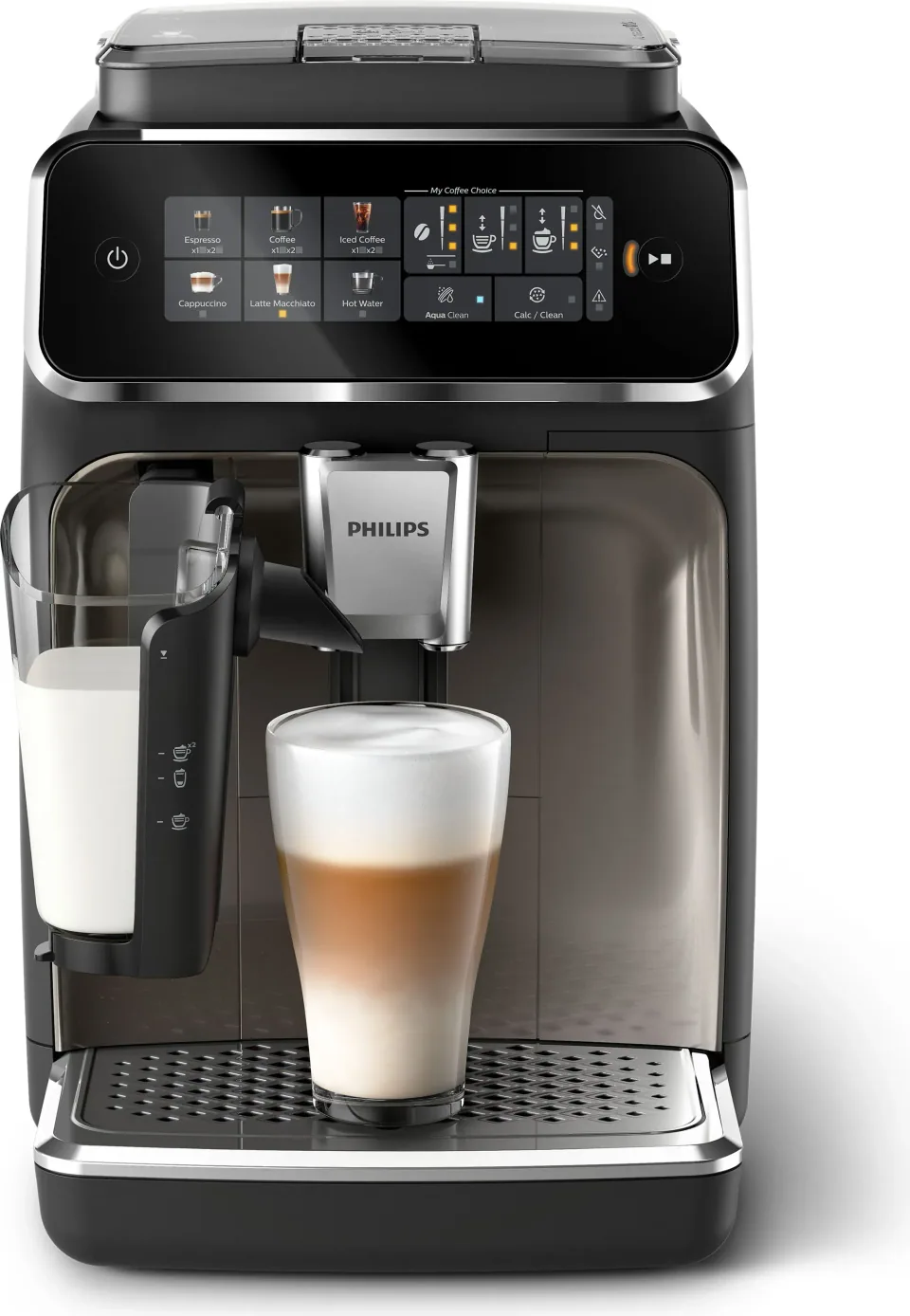
Gaggia Classic Pro E24 edges out Philips 3300 Series LatteGo, 8.3 to 7.6. It wins on performance, build & reliability, value, while the 3300 Series LatteGo is stronger on ease of use.
Side by side
Every detail, compared.
We may earn a commission when you buy through links on this page. It never affects our scores or what we recommend. How we make money
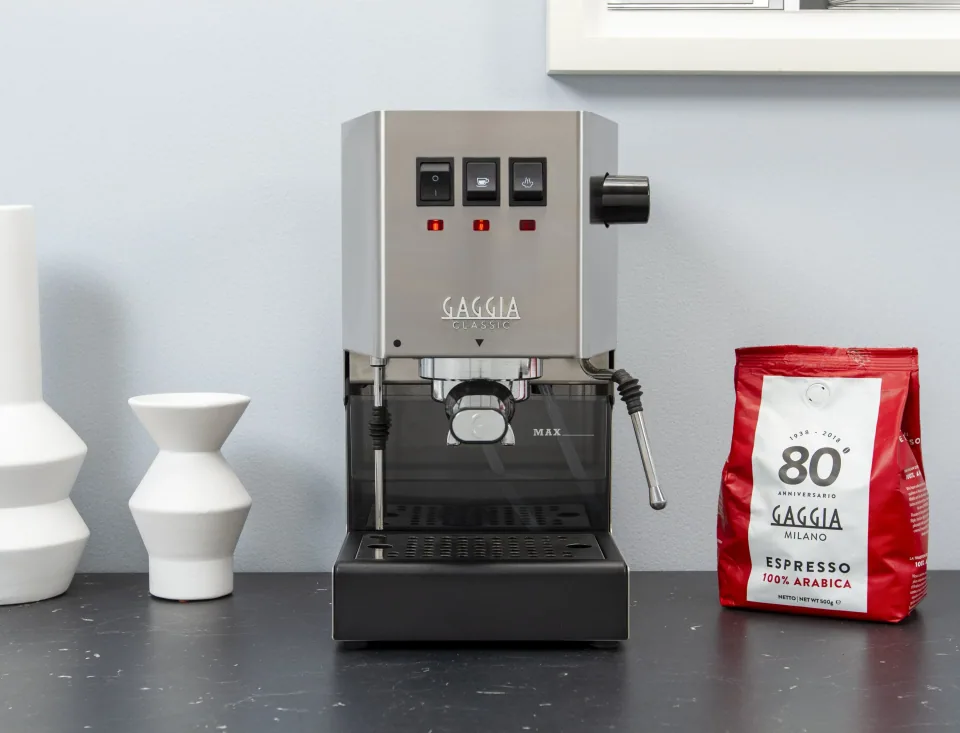
Gaggia
Classic Pro E24
Highest score- • Hands-on learners who want a machine to maintain and mod
- • Pairing with a quality espresso grinder on a budget
- • Buyers who value repairability over convenience
- • Families who want one-touch cappuccinos and lattes
- • Former pod-machine users
- • Anyone who hates cleaning milk lines
- 58 mm portafilter, brass boiler and brass group in a stainless body
- OPV set to 9 bar from the factory
- Commercial-style two-hole steam wand
- Very quiet ceramic grinder (Coffeeness measured 63 dB)
- Tubeless two-piece LatteGo rinses clean in seconds and is dishwasher safe
- Six one-touch hot and iced drinks
- No PID: learn temperature surfing or install a mod
- No pressure gauge, pre-infusion or shot timer
- Espresso is lighter and less intense than rivals'
- Milk foam is too thick for flat whites or latte art
FAQ
Quick answers.
Which is better, Classic Pro E24 or 3300 Series LatteGo?
Gaggia Classic Pro E24 edges out Philips 3300 Series LatteGo, 8.3 to 7.6. It wins on performance, build & reliability, value, while the 3300 Series LatteGo is stronger on ease of use.
Which costs less per unit?
Gaggia Classic Pro E24 works out to about $549 and Philips 3300 Series LatteGo to about $599.99, based on typical retail prices when we last checked.
How do you score them?
Both are scored on the same five-factor rubric — weighted for flavor or performance, quality, value, sourcing or build, and community sentiment — using public specs, verified creator reviews and community consensus.