Best overall
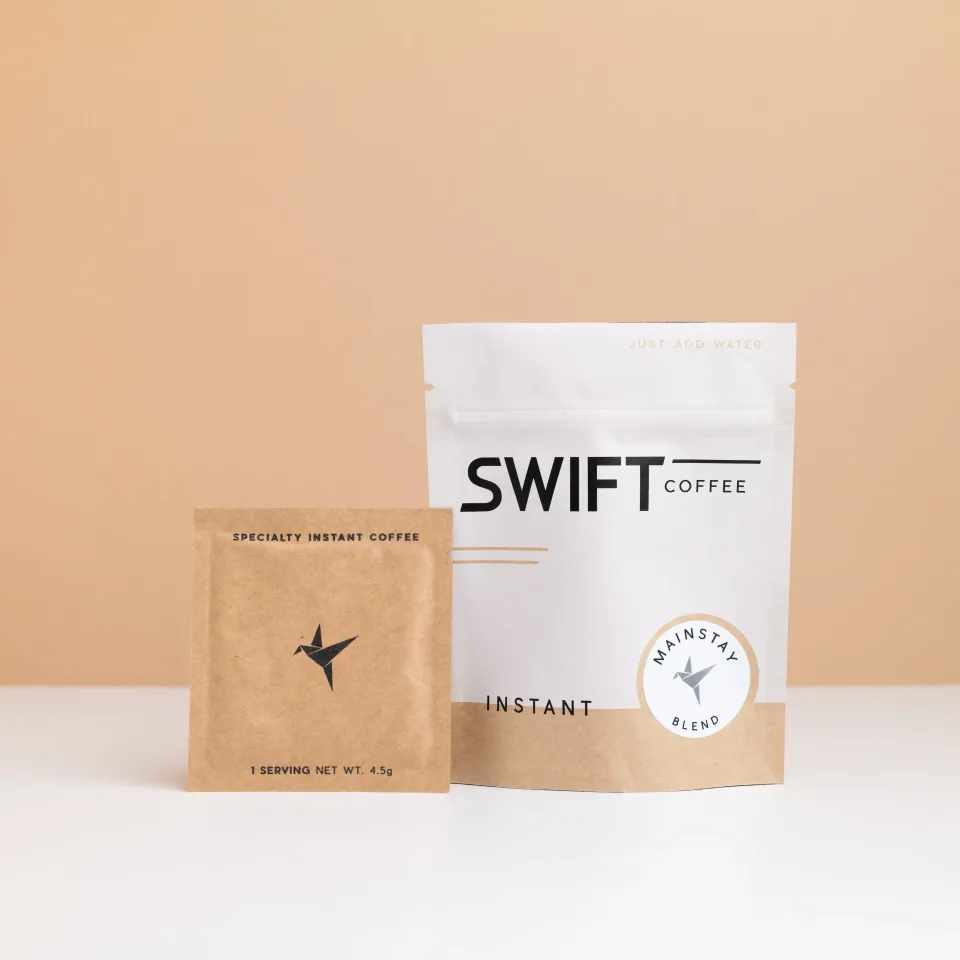
Swift Coffee
Mainstay Blend Instant Coffee
8.2Great
Specialty-grade instant from the company that makes many roasters' instants: sweet, balanced and pricey at about $2 a cup.
4$1.99 / cup
From supermarket jars to specialty freeze-dried single origins, scored on taste, quality and price per cup.
Top rated
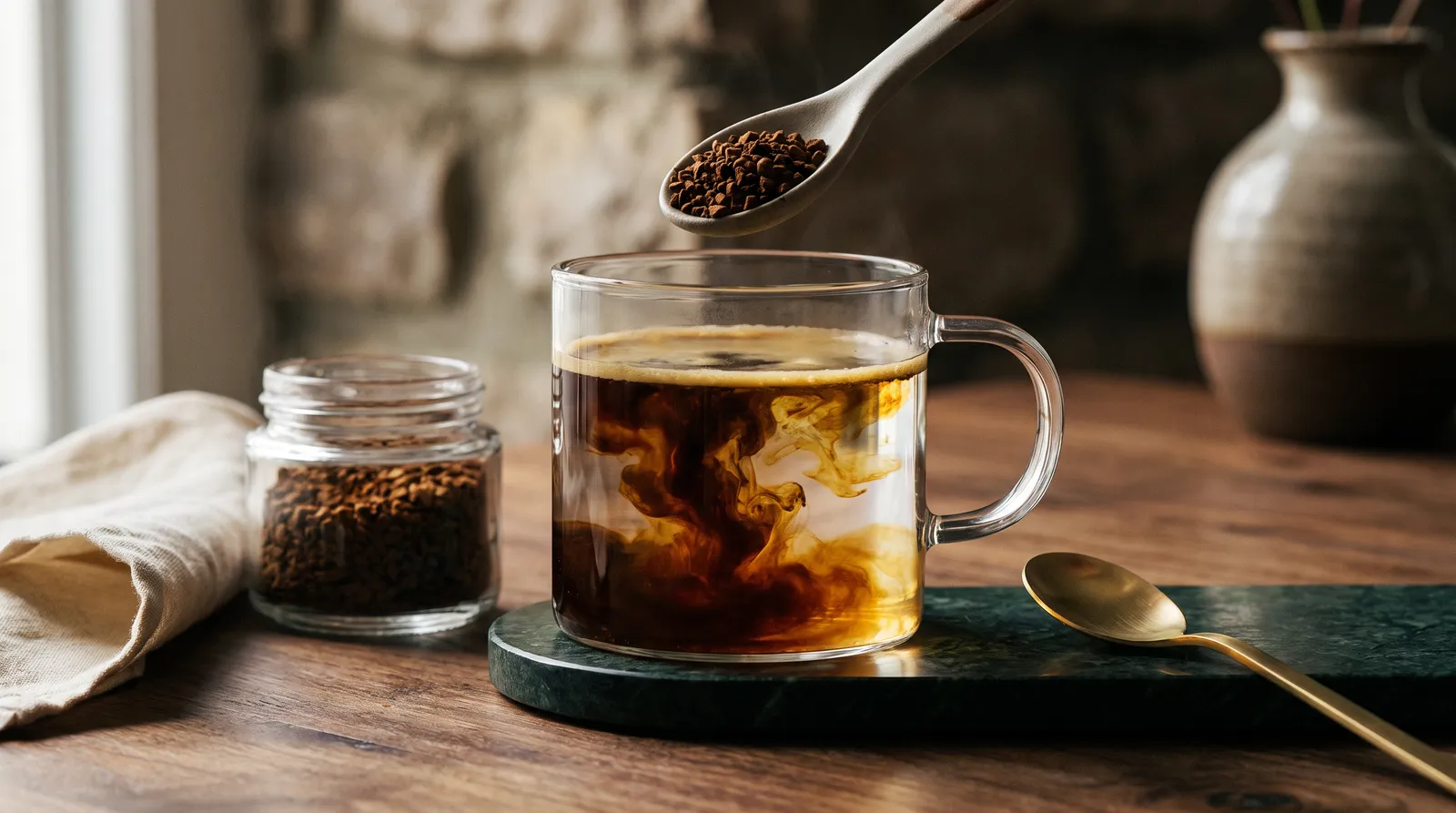
Instant coffee is brewed coffee that has been concentrated and dried into granules or powder that dissolve in water. It's real coffee, and the best of it has come a long way: specialty roasters now sell freeze-dried single origins that taste far closer to a fresh brew than the jars many of us grew up with.
Two drying methods dominate. Freeze-drying freezes the extract, at about -40°C according to the National Coffee Association, and removes the ice as vapor, which generally preserves more aroma. Spray-drying blows the extract into very hot air to make a fine powder, often steamed afterward into granules; it's cheaper and common in budget jars. Beyond the method, the beans matter. Robusta, widely used in instant, has about 50–60% more caffeine than arabica and a stronger, more bitter flavor. Start with the NCA's 1 teaspoon per 6 oz of hot, not boiling, water and adjust to taste.
Our Cup score weights flavor 30%, quality and freshness 20%, value 20%, sourcing and transparency 15%, and community love 15%. For instant, we judge flavor against brewed coffee as well as other instants, value is price per cup, and transparency rewards brands that name their beans, origins and drying method.
All instant
8 products
Swift Coffee
Specialty-grade instant from the company that makes many roasters' instants: sweet, balanced and pricey at about $2 a cup.
Waka Coffee & Tea
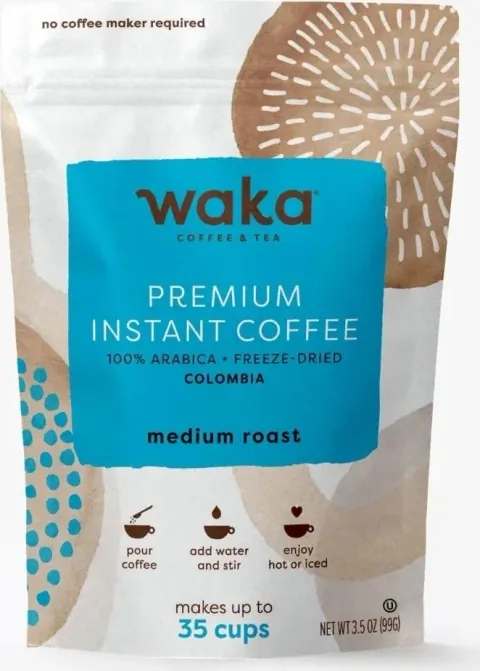
Freeze-dried single-origin Colombian instant at about 43¢ a cup: clean and balanced, a big step up from supermarket jars.
Alpine Start
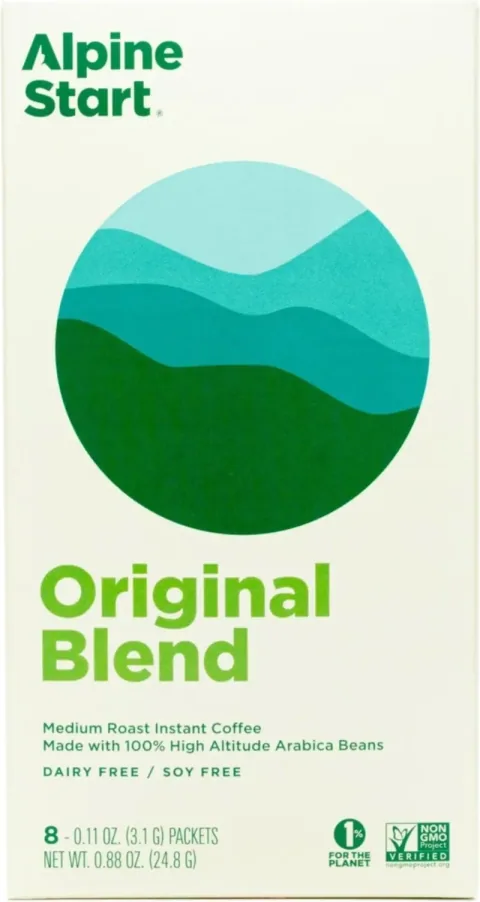
A climber-founded Colombian instant in feather-light sticks: smooth and easy for the backcountry, at about $1.25 a cup.
Nescafé
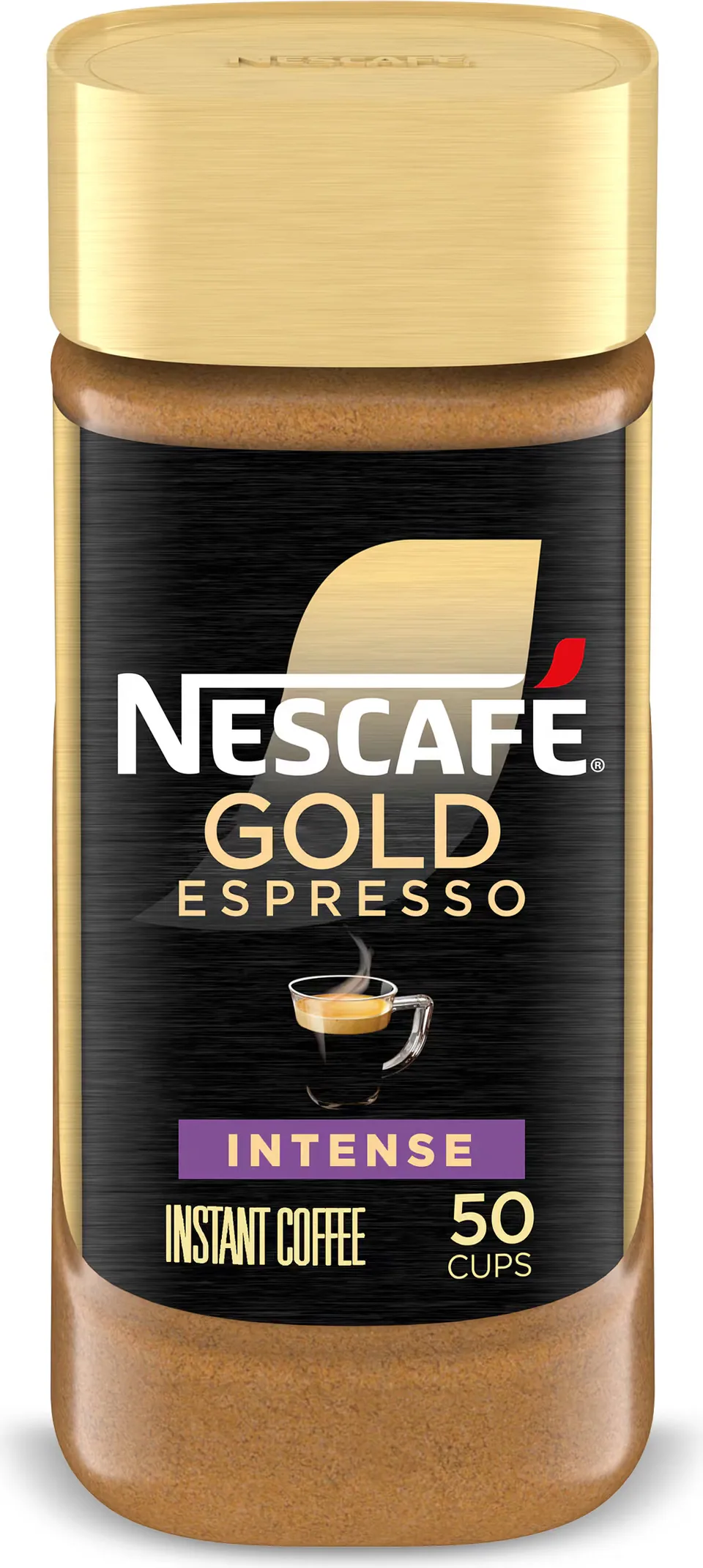
The viral crema-making instant espresso for at-home iced lattes: smooth and easy, but not real espresso and pricier than basic jars.
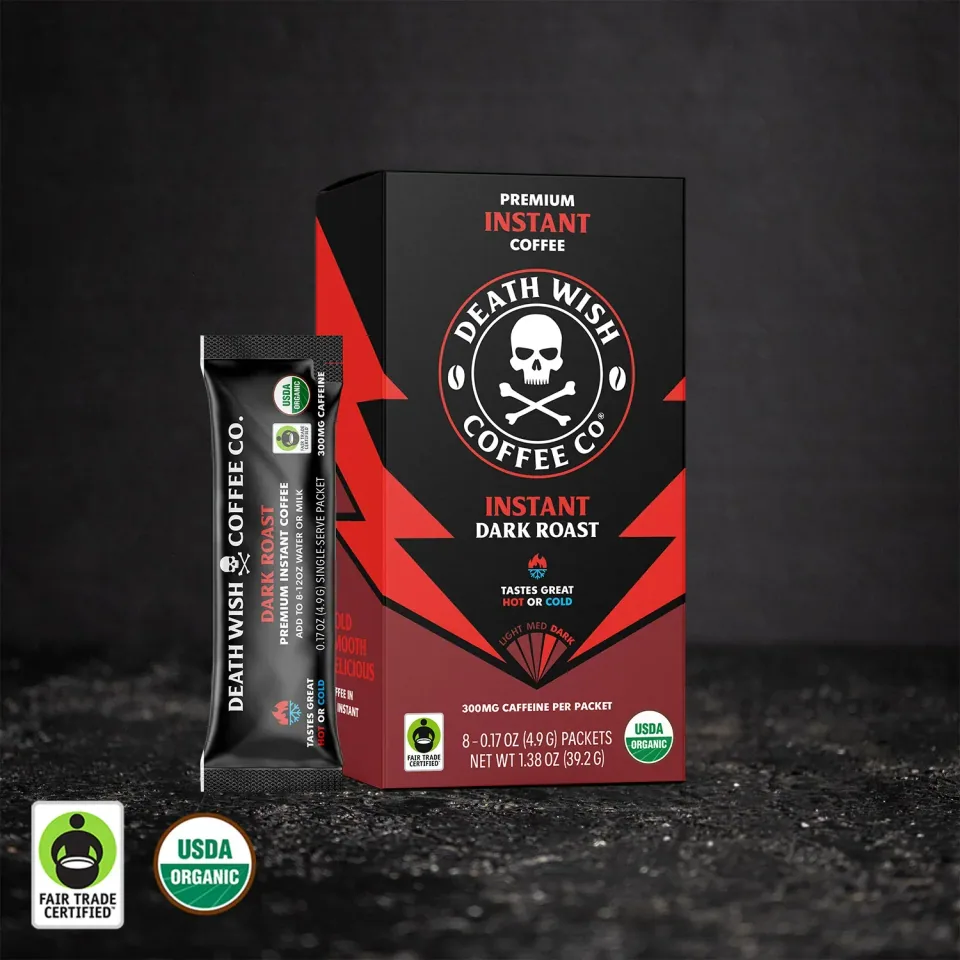
Death Wish Coffee
About 300 mg of caffeine per packet from organic, Fair Trade robusta–arabica: built for strength, not nuance.
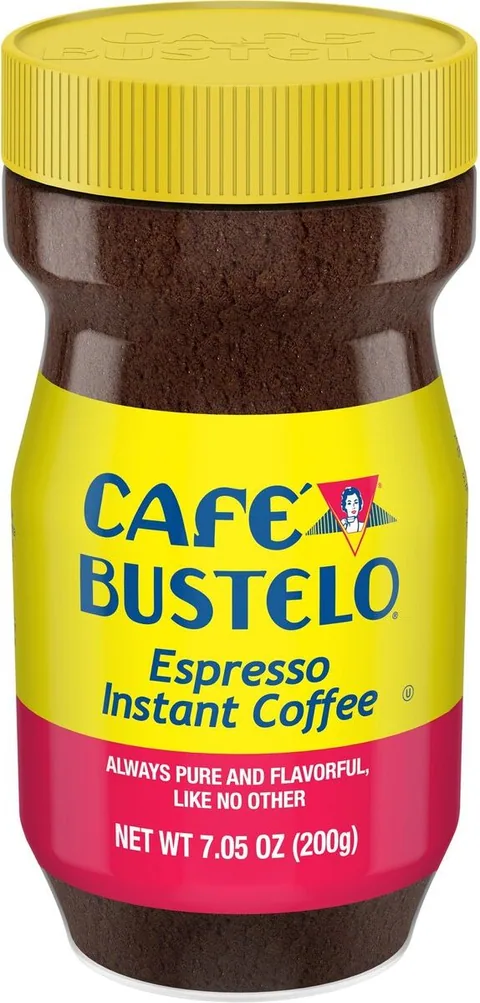
Café Bustelo
Cheap, strong Latin-style dark roast that dissolves hot or cold: a cafecito-and-iced-coffee workhorse rather than a nuanced cup.
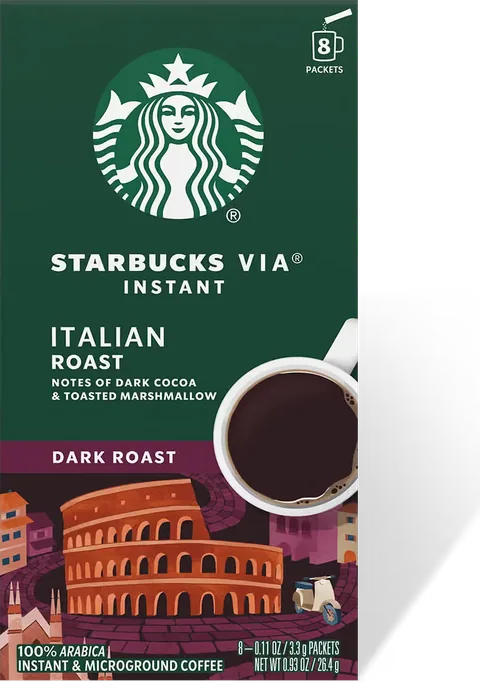
Starbucks
Starbucks' darkest everyday roast in single-serve sticks: strong and convenient, but roasty and expensive per cup for instant.
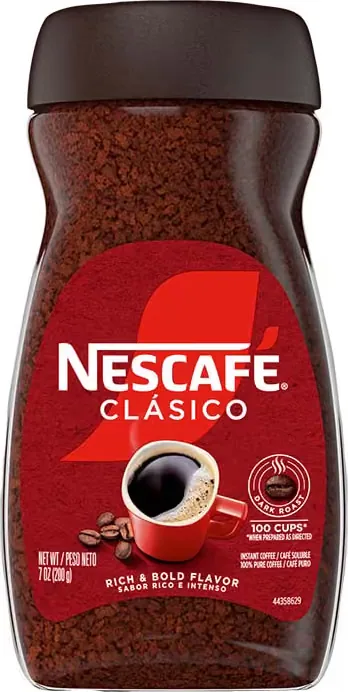
Nescafé
A bargain dark-roast instant: pennies per cup and bold enough for iced coffee, but bitter enough that most drinkers add creamer.
Buying guide
Freeze-dried granules generally keep more aroma than spray-dried powder. Brands that care about flavor usually say which method they use, and many specialty instants come in single-serve packets that also protect the coffee from humidity.
'100% arabica', a named origin or a stated roast level signals a brand focused on flavor. Robusta-heavy blends taste stronger and more bitter and carry more caffeine, which some people prefer for iced coffee and milk drinks.
Let the kettle settle for a moment after it boils, since the NCA recommends water slightly below boiling. A splash of cool water first helps powder dissolve without clumping, and many freeze-dried instants also dissolve in cold water for iced coffee.
Start with about 1 teaspoon per 6 oz of water, or follow the packet. Jars let you set the strength, but a heaped spoon carries noticeably more coffee, and more caffeine, than a level one.
Instant coffee is shelf-stable and keeps until its best-by date while sealed, but it pulls in moisture quickly once open. Use a dry spoon, close the lid tightly, and don't store it above the kettle or stove.
Specialty packets cost more per cup than supermarket jars. They're worth it for travel, office and black-coffee cups, less so for baking or heavily sweetened iced drinks.
Video reviews
FAQ
Yes. Instant coffee is made from roasted coffee beans: the brewed liquid is concentrated and then freeze-dried or spray-dried into soluble granules or powder, as the National Coffee Association explains. Some products add sugar, creamer or flavorings, so check the ingredient list if you want pure coffee; it should list only coffee.
It depends mostly on how much powder you use and which beans are in it. A heaped spoonful contains more than a level one, and robusta-based instants carry more caffeine because robusta has about 50–60% more than arabica. If you track intake, look for milligrams per serving on the label or brand site, and count it toward the FDA's 400 mg daily figure for most healthy adults.
Both start as brewed coffee extract. Freeze-drying freezes it, at around -40°C according to the NCA, and removes the ice, producing chunky granules that generally keep more aroma. Spray-drying sprays the extract into very hot air, producing a fine powder that's cheaper to make. Many spray-dried powders are then steamed into granules, so texture alone won't tell you the method; check the label.
Sealed, instant coffee is shelf-stable and keeps its quality until the best-by date, according to the National Coffee Association. Once opened, moisture is the main enemy: humid air makes it clump and dulls the flavor. Keep the lid tight, use a dry spoon, and store it in a cool cupboard rather than near the stove or kettle.
Community
No discussions yet.
Own instant coffee? Ask a question or share your recipe — you’ll be the first.