Best overall
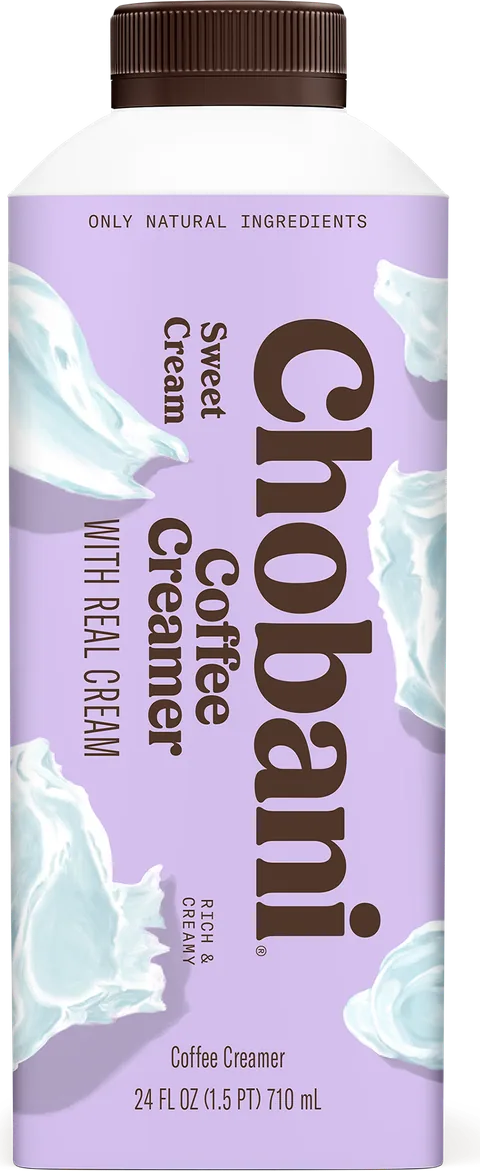
Chobani
Sweet Cream Coffee Creamer
8.2Great
Real milk, cream, cane sugar and natural flavors: a short-ingredient dairy creamer that topped two Sporked taste tests.
Creamers & Syrups
Coffee creamers, superfood creamers and flavor syrups scored on taste, ingredients and sugar per real serving.
Top rated
Creamers and syrups can change your cup as much as the coffee does. This category covers dairy and plant-based creamers, powdered creamers, 'superfood' creamers with added collagen, MCT oil or mushrooms, and flavor syrups for lattes and iced coffee.
Read the nutrition panel with your real pour in mind. Liquid creamers are labeled per 1 tablespoon (15 ml) and powders per 2 g, so if you use two or three tablespoons, multiply accordingly; added sugar adds up quickly against the FDA's 50 g daily value. 'Non-dairy' doesn't always mean dairy-free: a creamer can use the term and still contain sodium caseinate, which federal rules require be identified as a milk derivative. Partially hydrogenated oils, once common in powdered creamers, can no longer be added to foods in the US. For superfood creamers, treat health claims as claims and look for the amount of each ingredient per serving. With syrups, check the serving size against how much you actually pump or pour.
Our Cup score weights flavor 30%, quality and freshness 20%, value 20%, sourcing and transparency 15%, and community love 15%. Here, flavor is how it tastes in coffee, quality covers ingredients and sweeteners, and value is price per serving.
All creamers & syrups
6 products
Chobani
Real milk, cream, cane sugar and natural flavors: a short-ingredient dairy creamer that topped two Sporked taste tests.
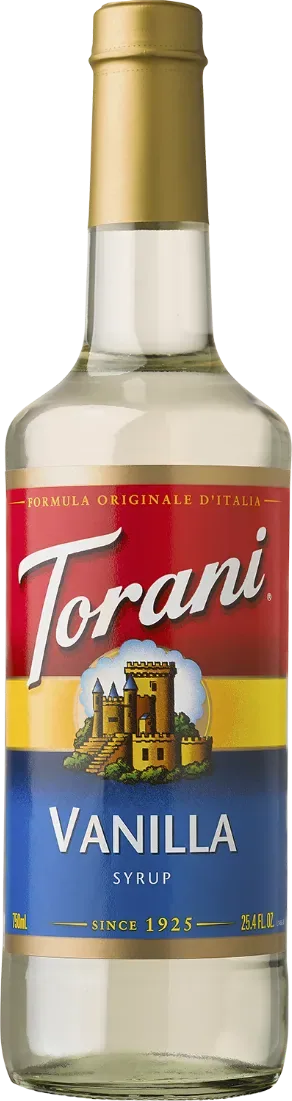
Torani
The classic café vanilla: cane-sugar syrup with a clean, creamy vanilla flavor, about 44¢ a latte from the 750 ml bottle.
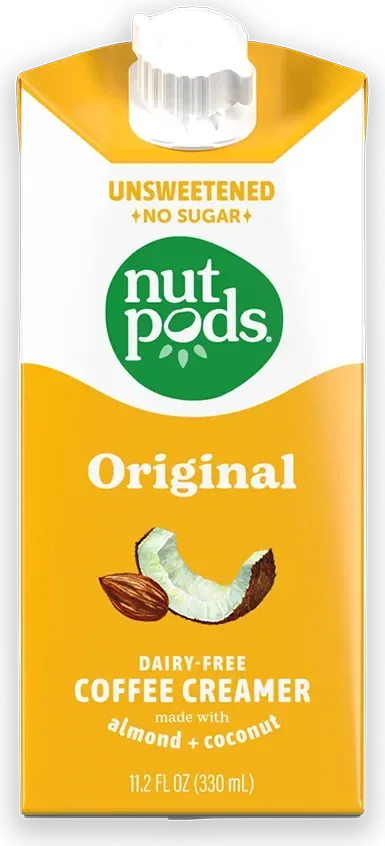
nutpods
The zero-sugar staple: an almond and coconut cream creamer with 10 calories per tablespoon, no sweeteners and shelf-stable cartons.
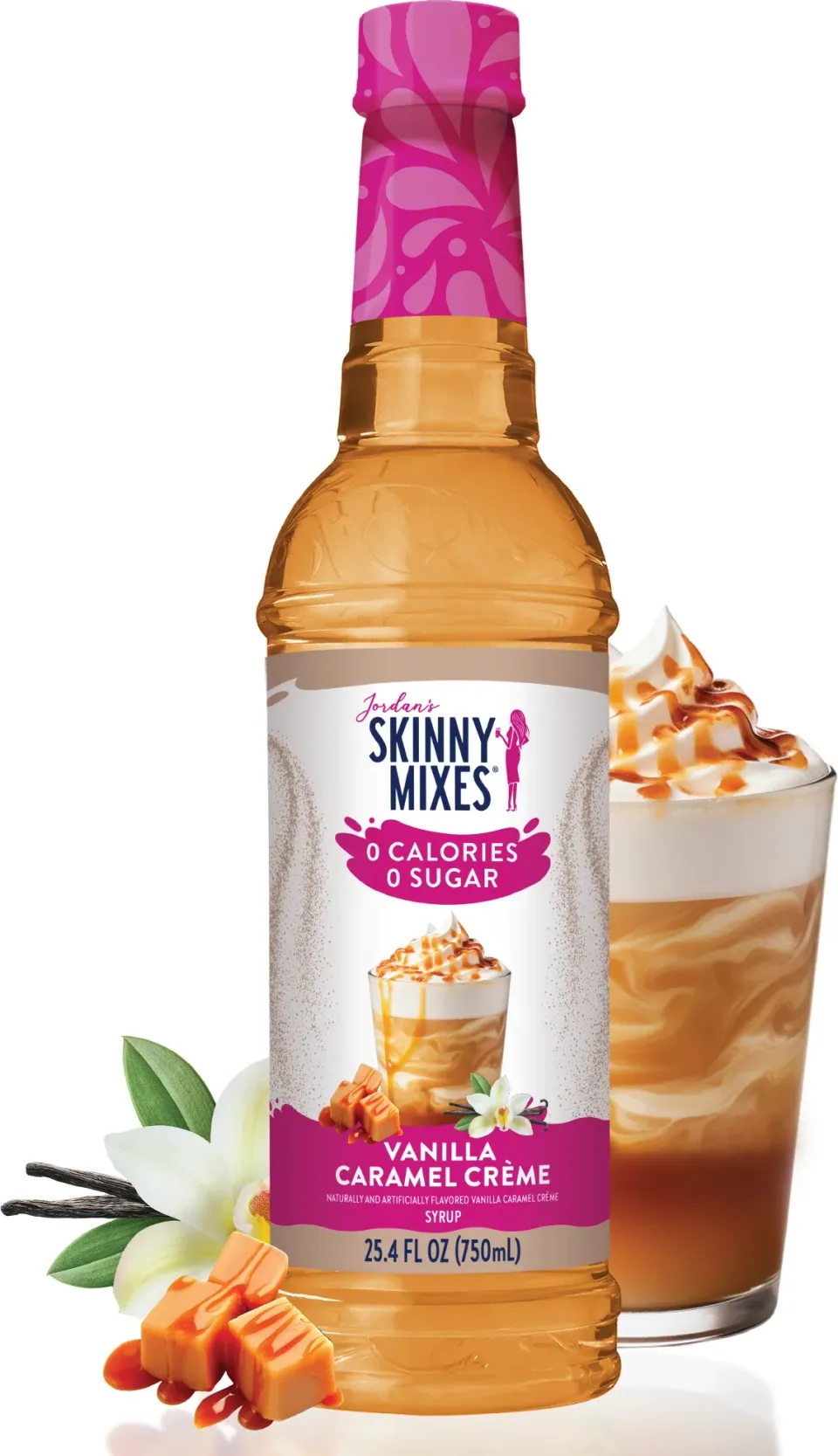
Jordan's Skinny Mixes
Best-selling zero-calorie syrup layering vanilla and toasty caramel, sweetened with sucralose and acesulfame K. About 36¢ a serving.
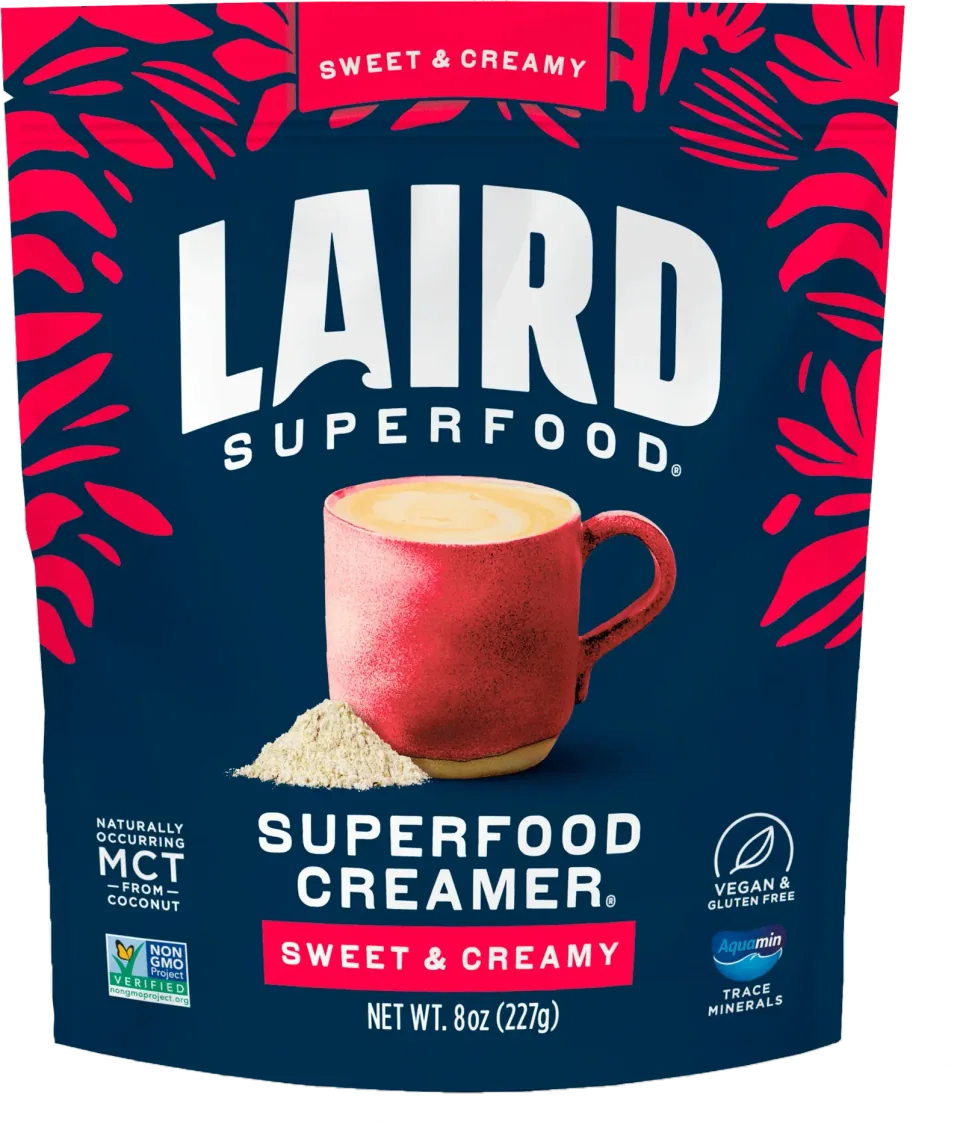
Laird Superfood
Laird's original coconut-milk powder creamer: three ingredients, shelf-stable and gently sweet, with a clear coconut taste.
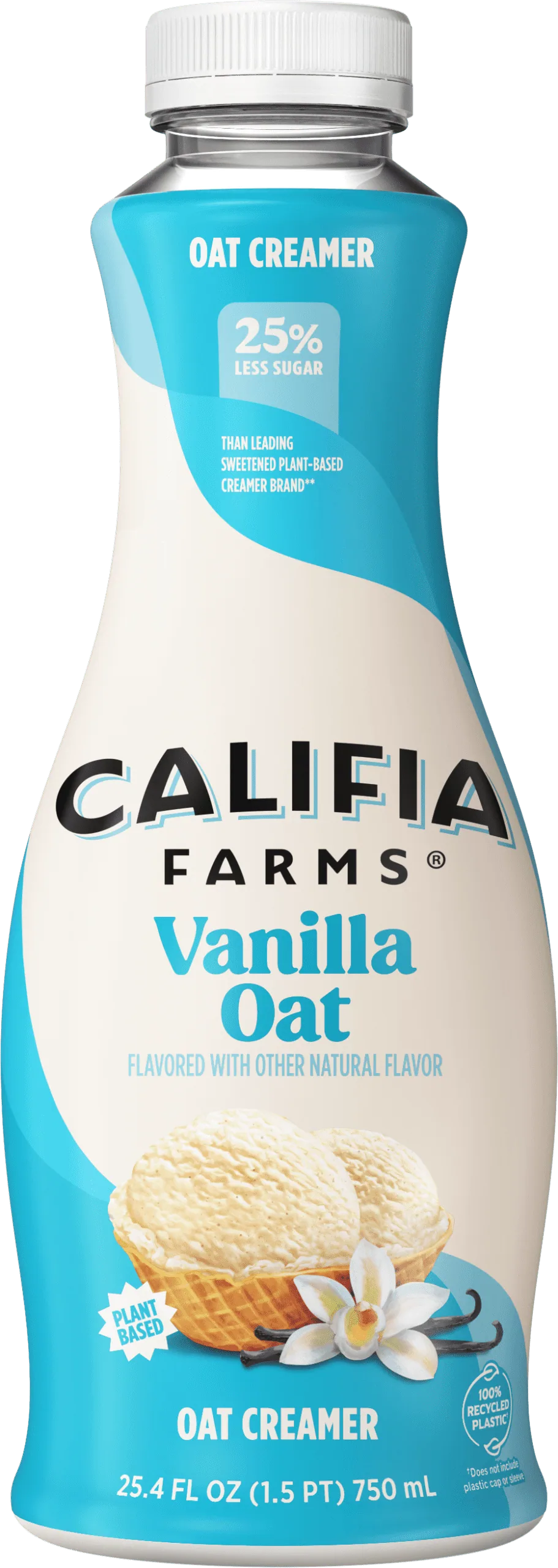
Califia Farms
A lightly sweet vanilla oat-milk creamer: 20 calories and 2 g sugar per serving, dairy-free and made with gluten-free oats.
Buying guide
Creamer labels use 1 tablespoon (15 ml) for liquids and about a teaspoon (2 g) for powders. Measure what you actually pour once, then scale the calories and sugar on the label to match.
Flavored creamers and syrups are often sweetened, and several servings a day can approach the FDA's 50 g daily value for added sugars. An unsweetened creamer plus a measured amount of syrup gives you more control.
A non-dairy creamer can still contain sodium caseinate, a milk protein that must be flagged as a milk derivative in the ingredient list. If you avoid milk for allergy or vegan reasons, read the full ingredient list and allergen statement.
Half-and-half and cream give richness with short ingredient lists, while plant creamers vary widely by base and formulation. Barista-style versions are made to blend into hot coffee without separating.
Creamers with collagen, MCT oil, mushrooms or adaptogens should state how much of each they contain per serving. Treat benefit claims as marketing unless the brand points to solid human evidence.
Look for real flavorings and a sweetener you like, and check the serving size against how many pumps or spoonfuls you actually use. Sugar-free syrups swap sugar for non-nutritive sweeteners, which some people find leave an aftertaste.
Video reviews
FAQ
It can. In the US, a creamer may be labeled 'non-dairy' and still contain sodium caseinate, a protein derived from milk; federal labeling rules require the ingredient list to identify it, for example as 'a milk derivative.' If you avoid milk for allergy or vegan reasons, read the full ingredient list and allergen statement rather than relying on the front of the package.
It depends on the product and how much you pour. Nutrition labels list values per 1 tablespoon (15 ml) for liquid creamers, but many people use two or three, which doubles or triples the sugar. Compare added sugars per tablespoon across brands and keep the FDA's 50 g daily value in mind; 20% of the daily value or more in one serving is considered high.
It depends on what's in them and how much you use. Sweetened creamers can add meaningful sugar and calories over a day, especially if you pour more than the 1-tablespoon serving. Partially hydrogenated oils, once a source of trans fat in powdered creamers, can no longer be added to foods in the US. To cut back, try a smaller pour, an unsweetened creamer, or milk or half-and-half.
Follow the package. Refrigerated liquid creamers print a use-within period after opening, while shelf-stable single-serve cups and powders last much longer while sealed. Keep liquid creamer cold, close the cap tightly, and throw it out if it smells sour or looks lumpy, even before the date. Powders keep best in a dry cupboard with the lid tightly closed.
Community
No discussions yet.
Own creamers & syrups? Ask a question or share your recipe — you’ll be the first.