Best overall
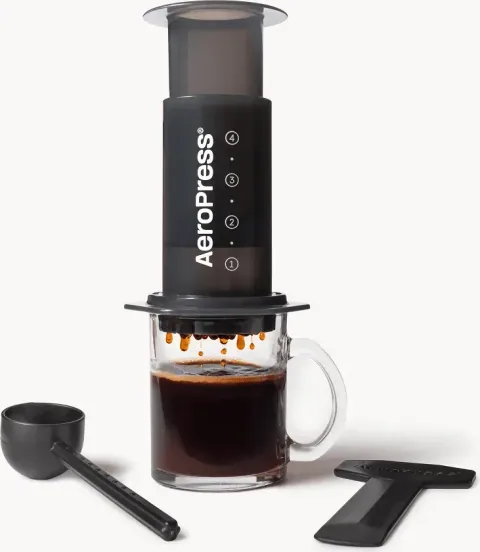
AeroPress
AeroPress Coffee Maker - Original
9.0Excellent
The $40 cult brewer: a forgiving, nearly indestructible press that makes a clean cup or espresso-style concentrate in two minutes.
Brewers3$39.95
Drip machines, pour-over, French press, AeroPress, moka pots and cold brew makers, scored on cup quality and ease.
Top rated
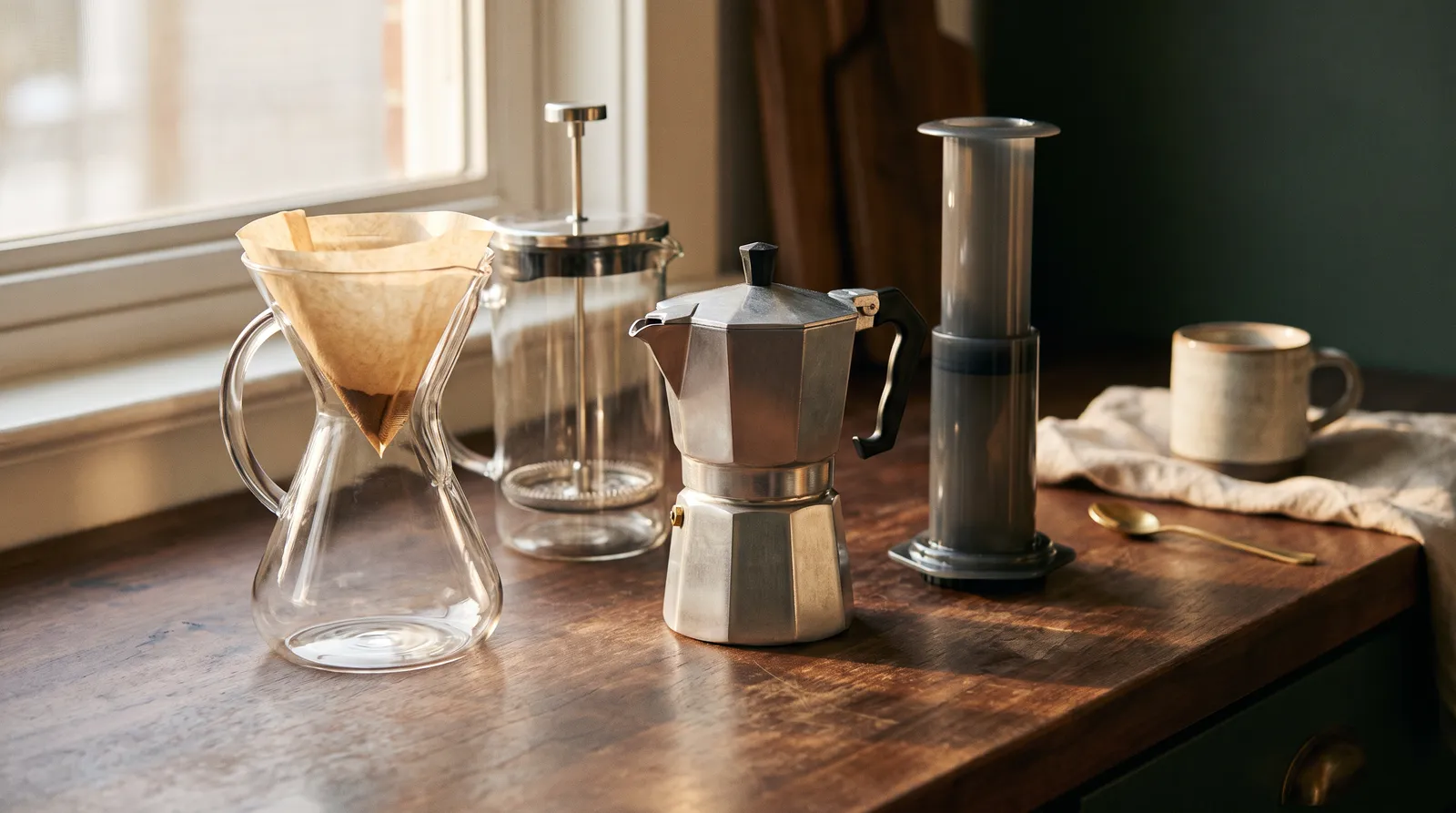
This category covers the brewers behind most everyday coffee: automatic drip machines, pod machines, pour-over cones, French presses, AeroPress, moka pots and cold brew makers. Each extracts coffee differently, so the best brewer is the one that fits how many cups you make and how much attention you want to give it.
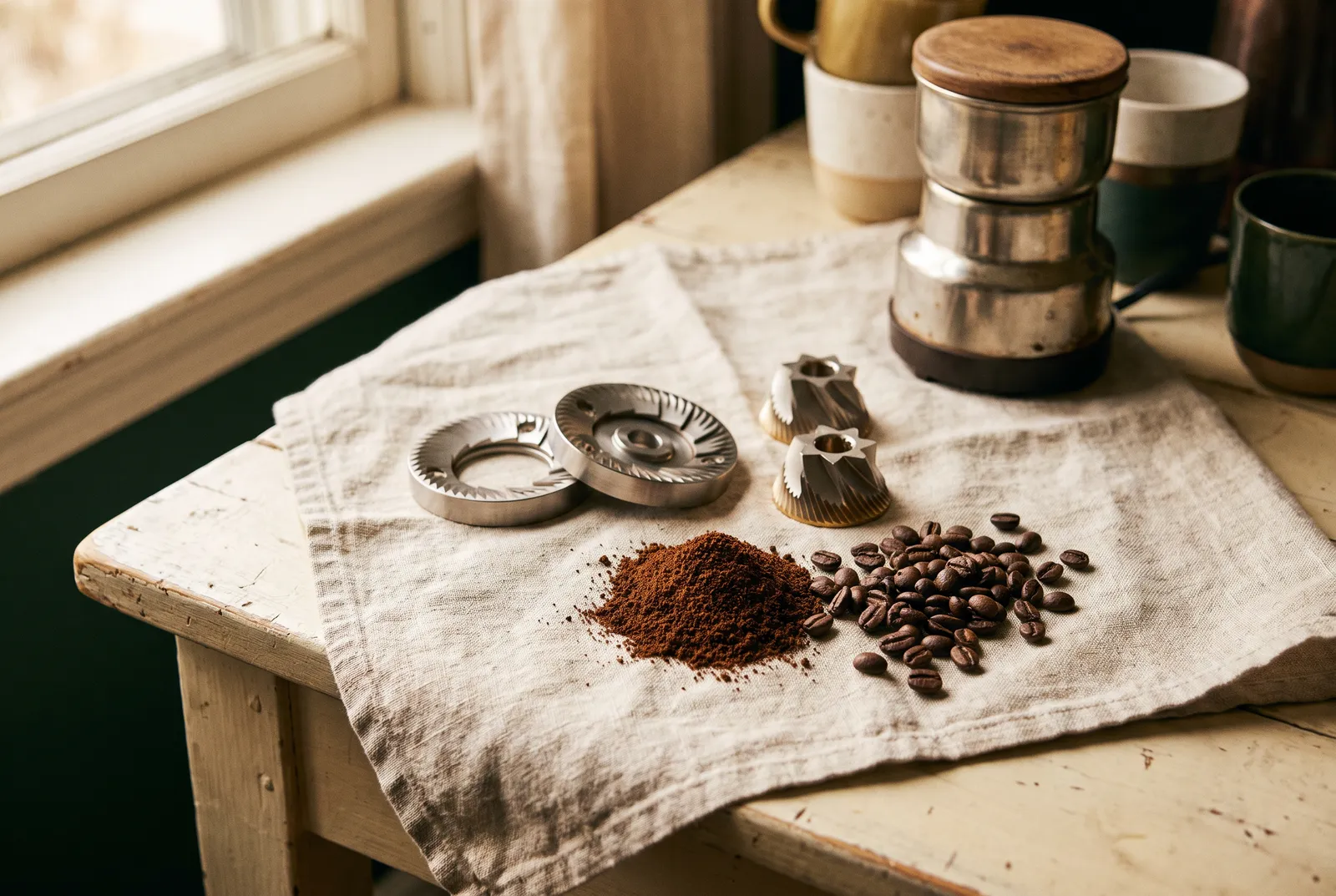
Good brewers control the basics: water at roughly 195–205°F (90–96°C), even saturation of the grounds and the right contact time, about five minutes for drip and four for French press. For automatic drip, SCA certification is a useful shortcut, since certified machines have passed third-party testing for brewing quality and consistency. A thermal carafe keeps coffee hot without the stewed taste a hot plate develops. Filters change the cup too: paper absorbs more oils for a cleaner taste, while metal mesh lets oils and fine sediment through for more body. Whatever you buy, fresh grounds from a burr grinder and a sensible ratio, such as 15–18 g of coffee per 8 oz of water, matter as much as the machine.
Our Gear score weights performance 30%, build and reliability 20%, value 20%, ease of use 15%, and community love 15%. Performance is brew quality from hands-on reviewers; ease of use covers setup, daily workflow and cleaning.
All brewers
12 products
AeroPress
The $40 cult brewer: a forgiving, nearly indestructible press that makes a clean cup or espresso-style concentrate in two minutes.
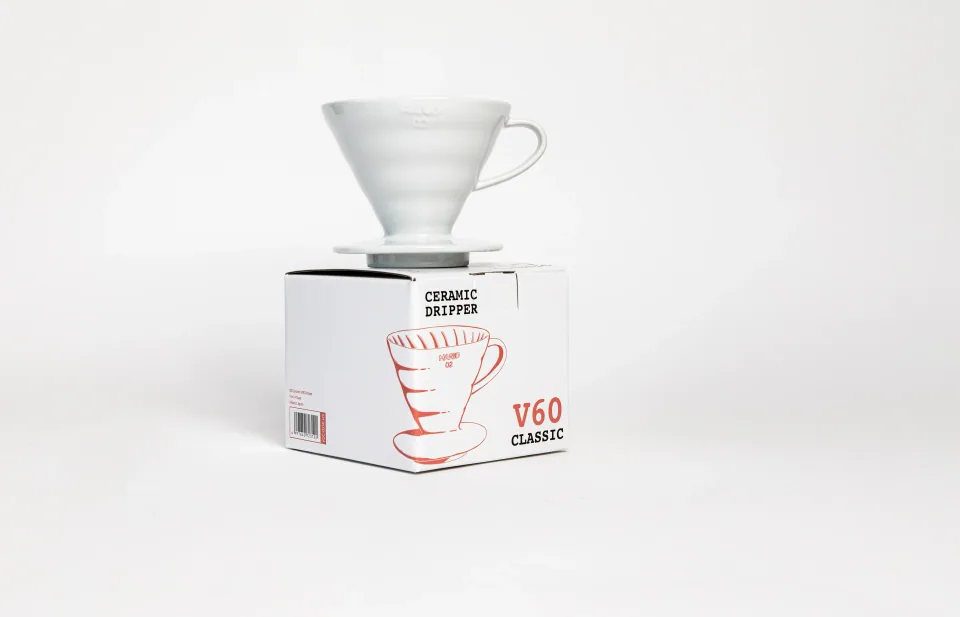
Hario
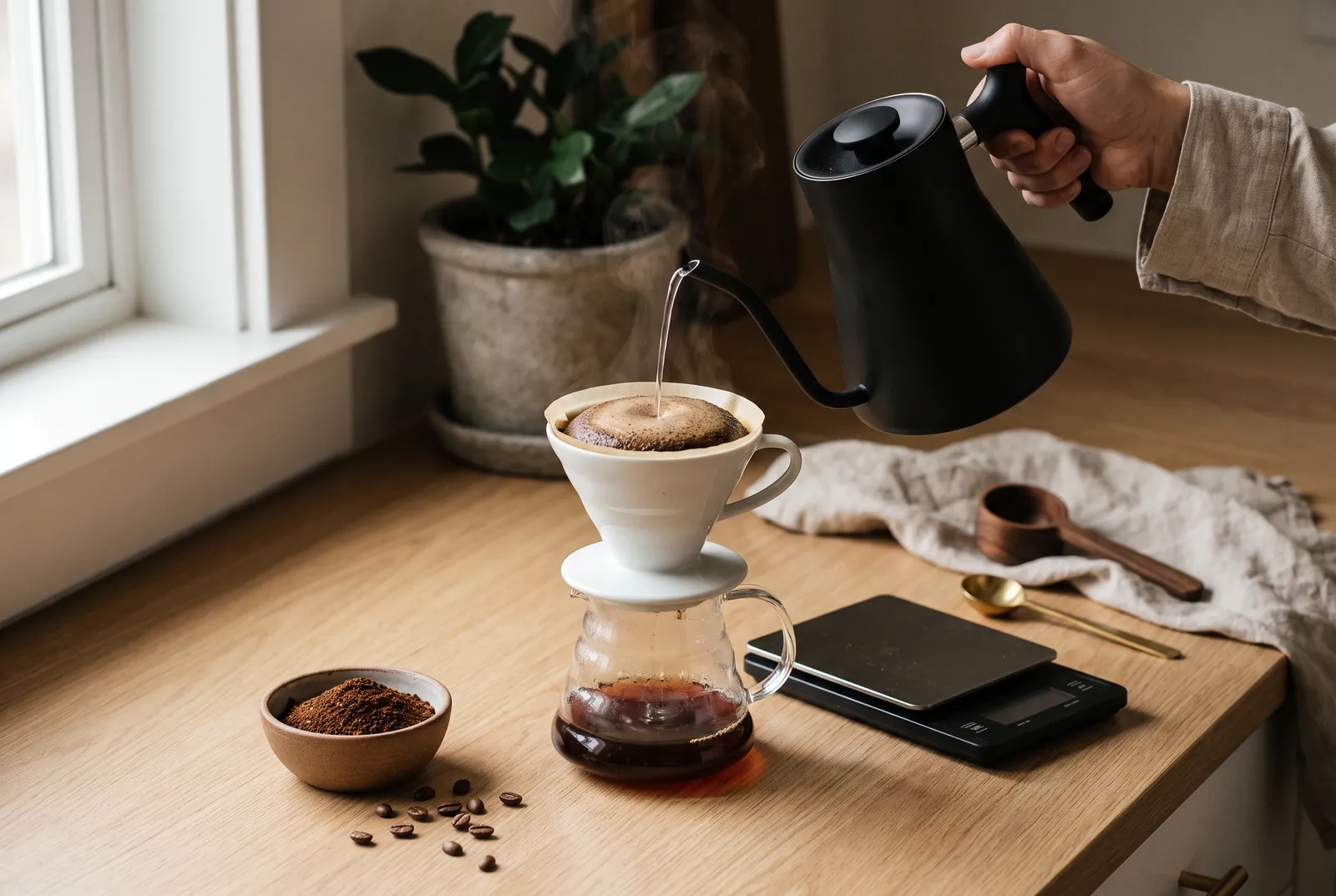
The pour-over benchmark: a handmade porcelain cone with spiral ribs and an open bottom that rewards good technique.
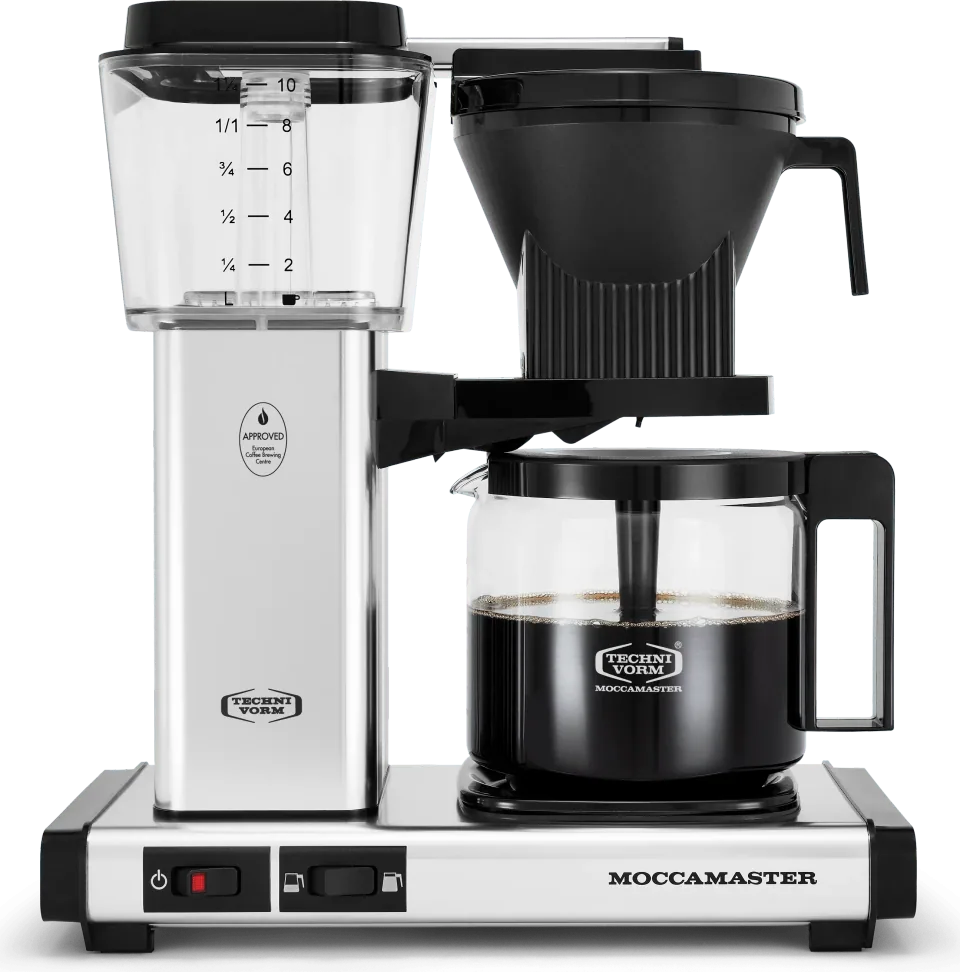
Moccamaster
The SCA-certified Dutch drip brewer: a full 1.25 L pot from two switches, built to be repaired for life, but pricey.
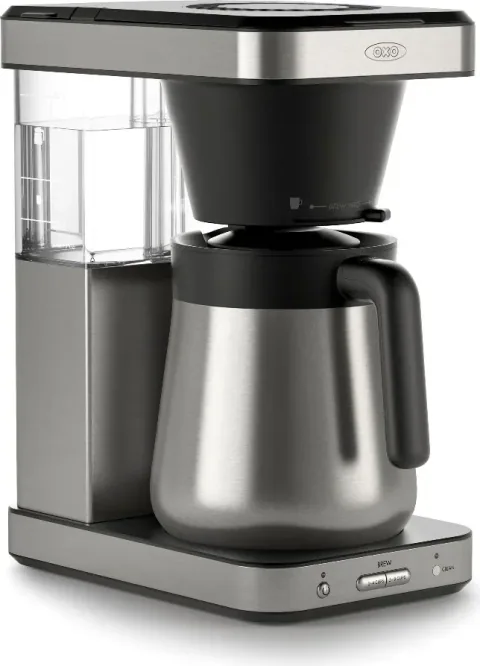
OXO
An SCA-certified thermal-carafe drip brewer that handles a single mug or a full pot for about $220.
Fellow
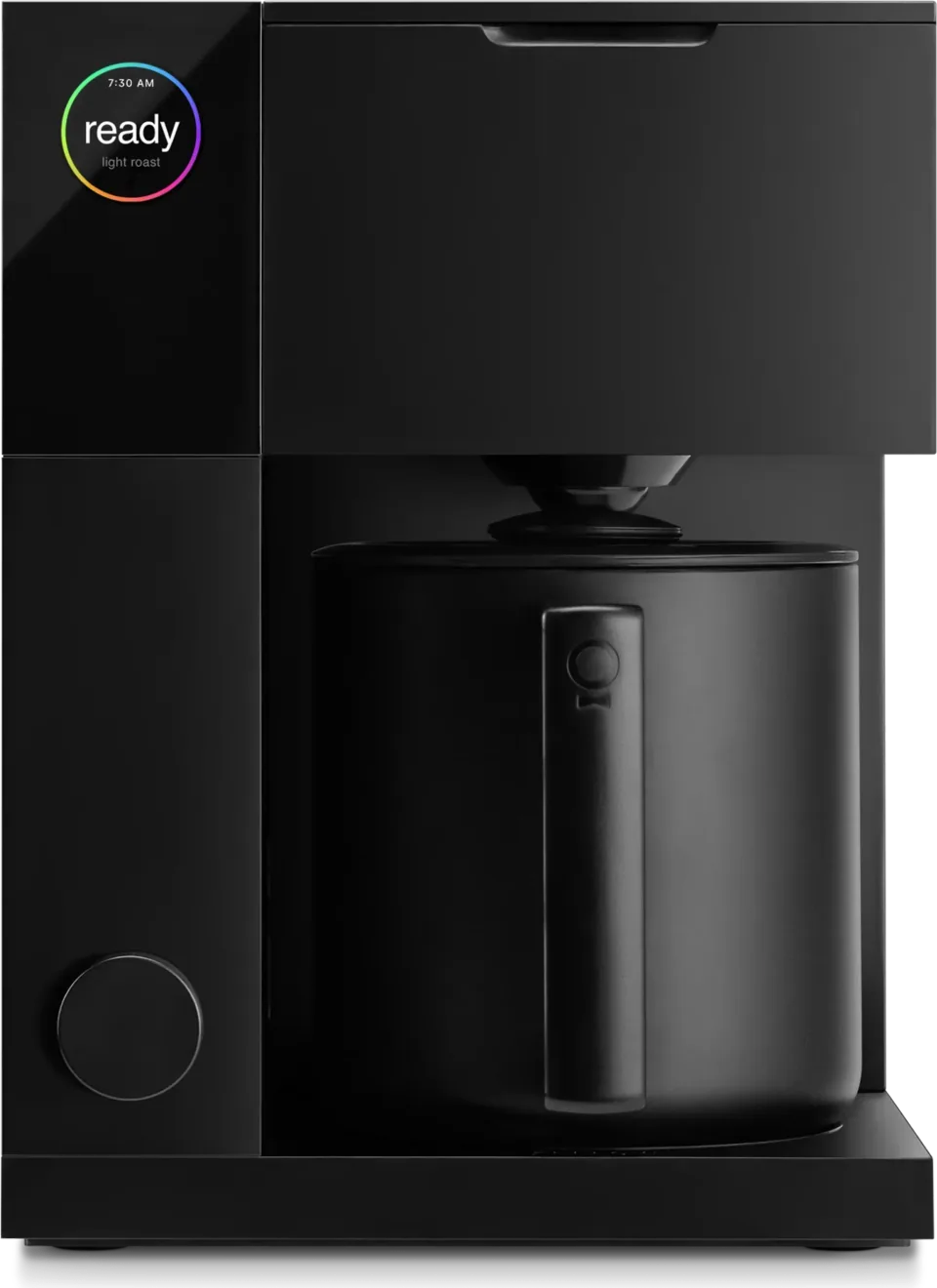
An app-connected, SCA-certified brewer that controls temperature, bloom and pulses for pour-over-style coffee from one cup to ten.
Chemex
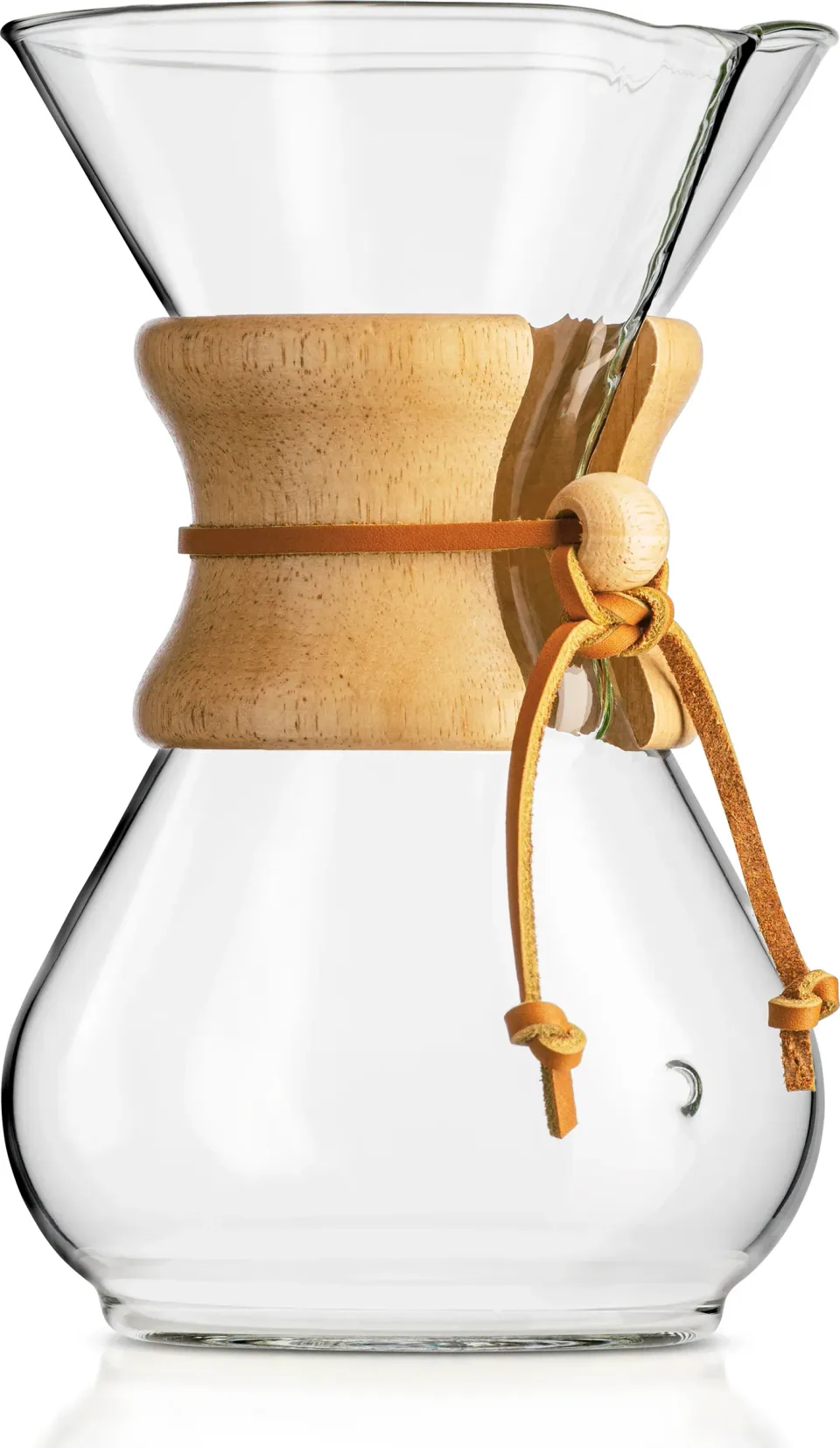
The 1941 design icon: a borosilicate glass pour-over and carafe whose thick bonded filters brew an exceptionally clean cup.
Takeya
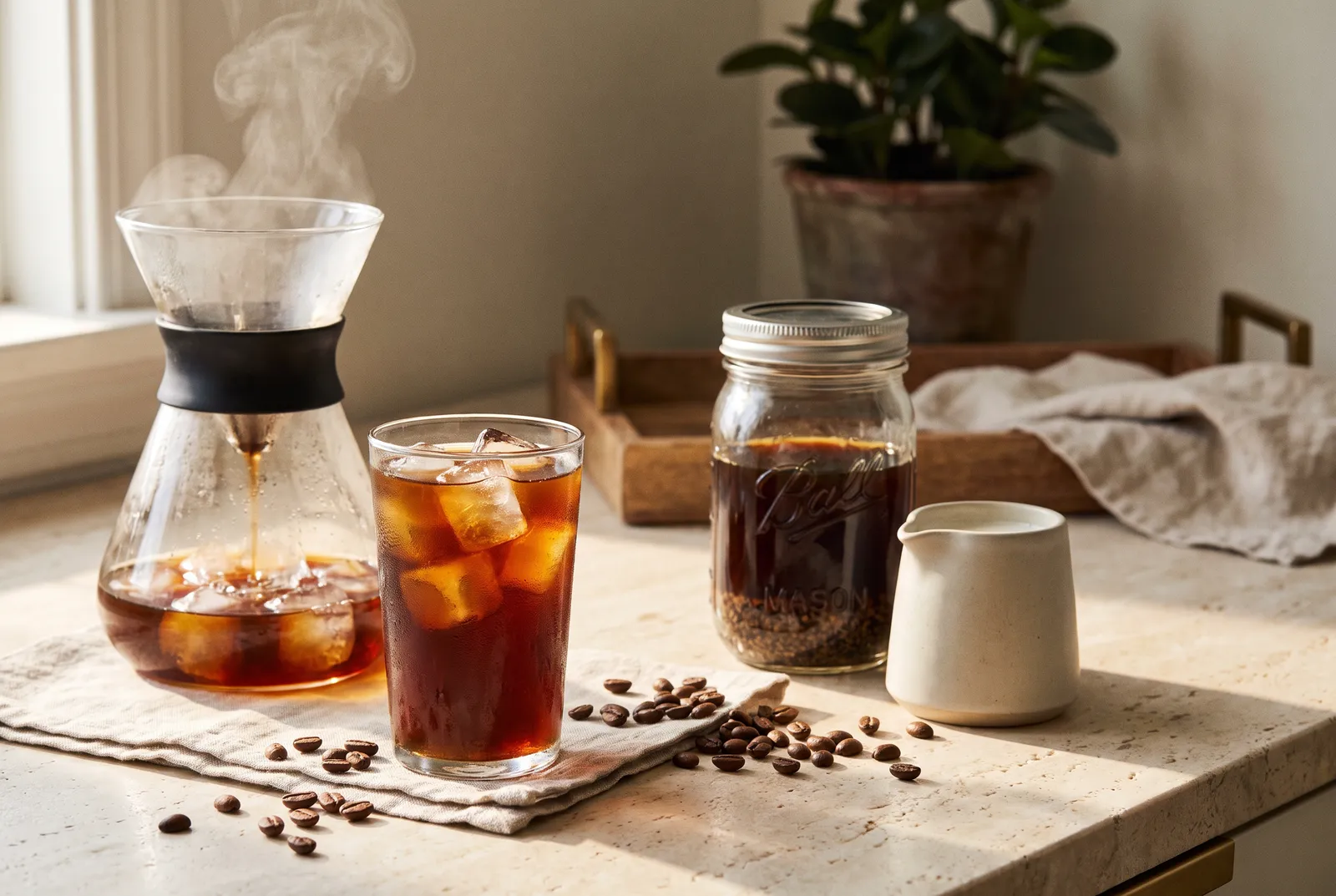
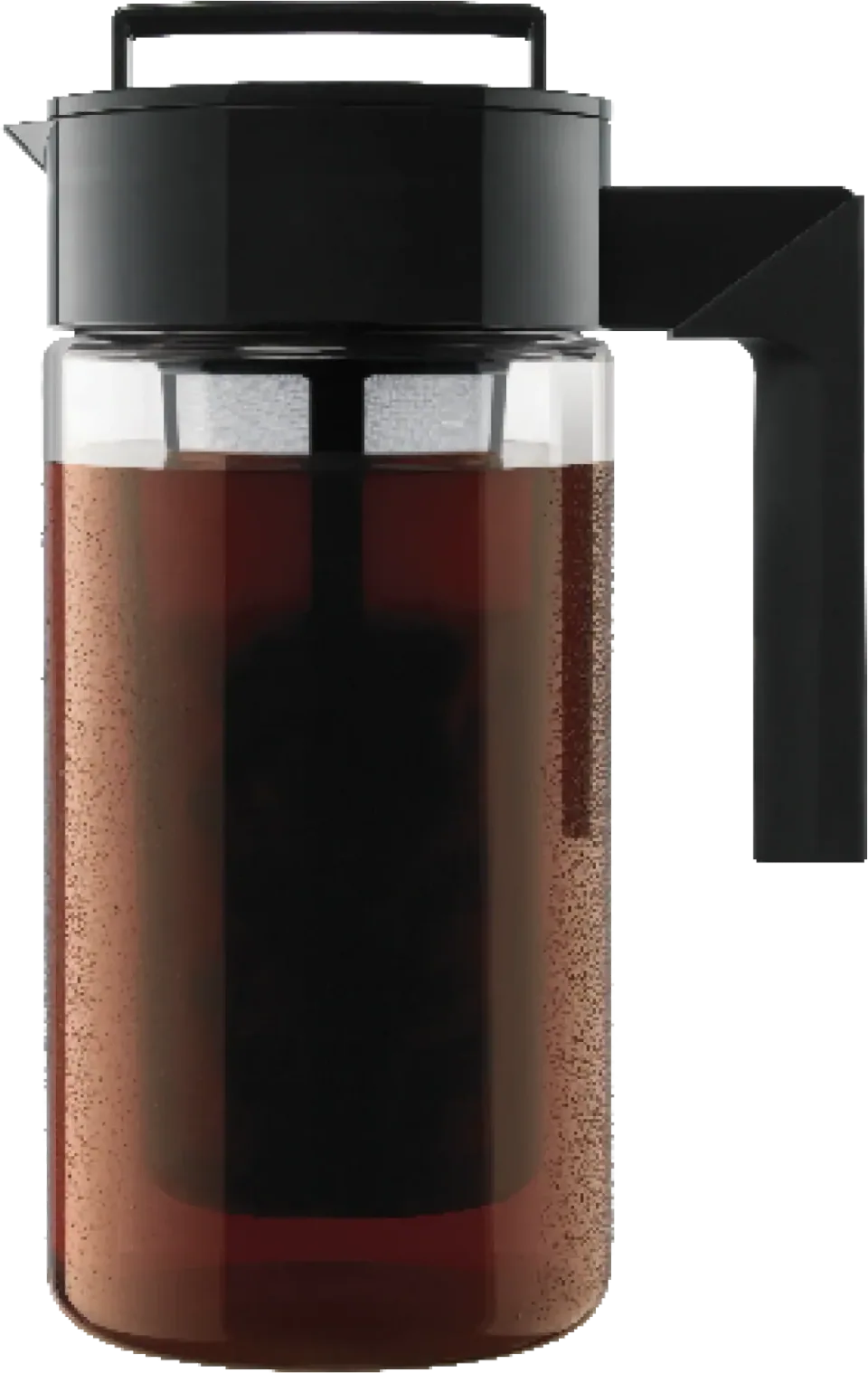
A $25 airtight Tritan pitcher with a fine-mesh filter: the simplest way to brew and store cold brew concentrate in the fridge.
Bialetti
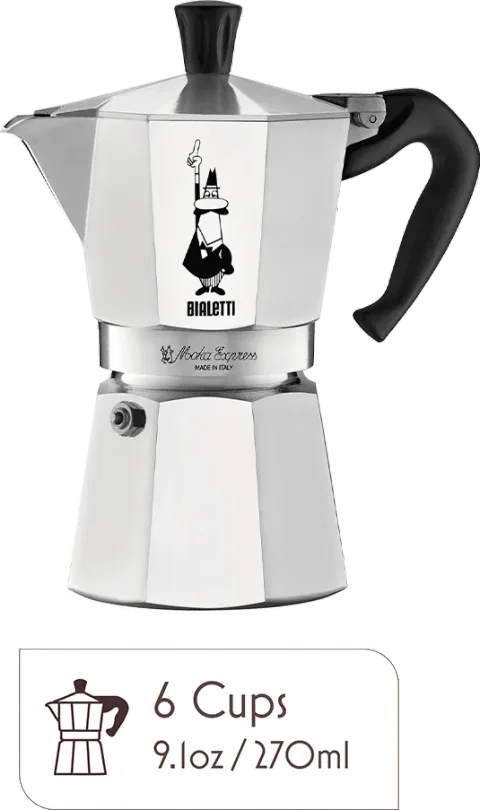
The original 1933 stovetop moka pot: Italian-made aluminum that brews strong, espresso-style coffee on gas or electric stoves.
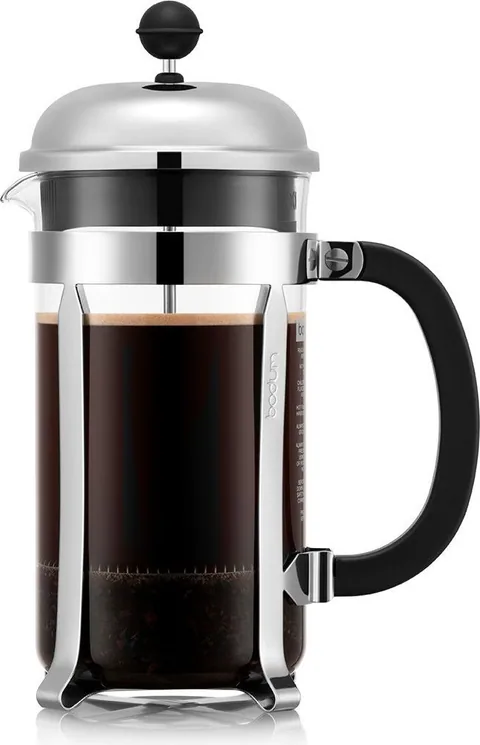
Bodum
The archetypal French press: a borosilicate glass carafe in a chrome steel frame that makes rich, full-bodied coffee for very little money.
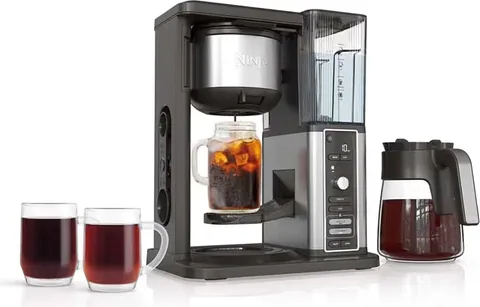
Ninja
A pod-free do-it-all drip machine: eight sizes from a small cup to a 12-cup carafe, over-ice brewing and 10-minute cold brew.
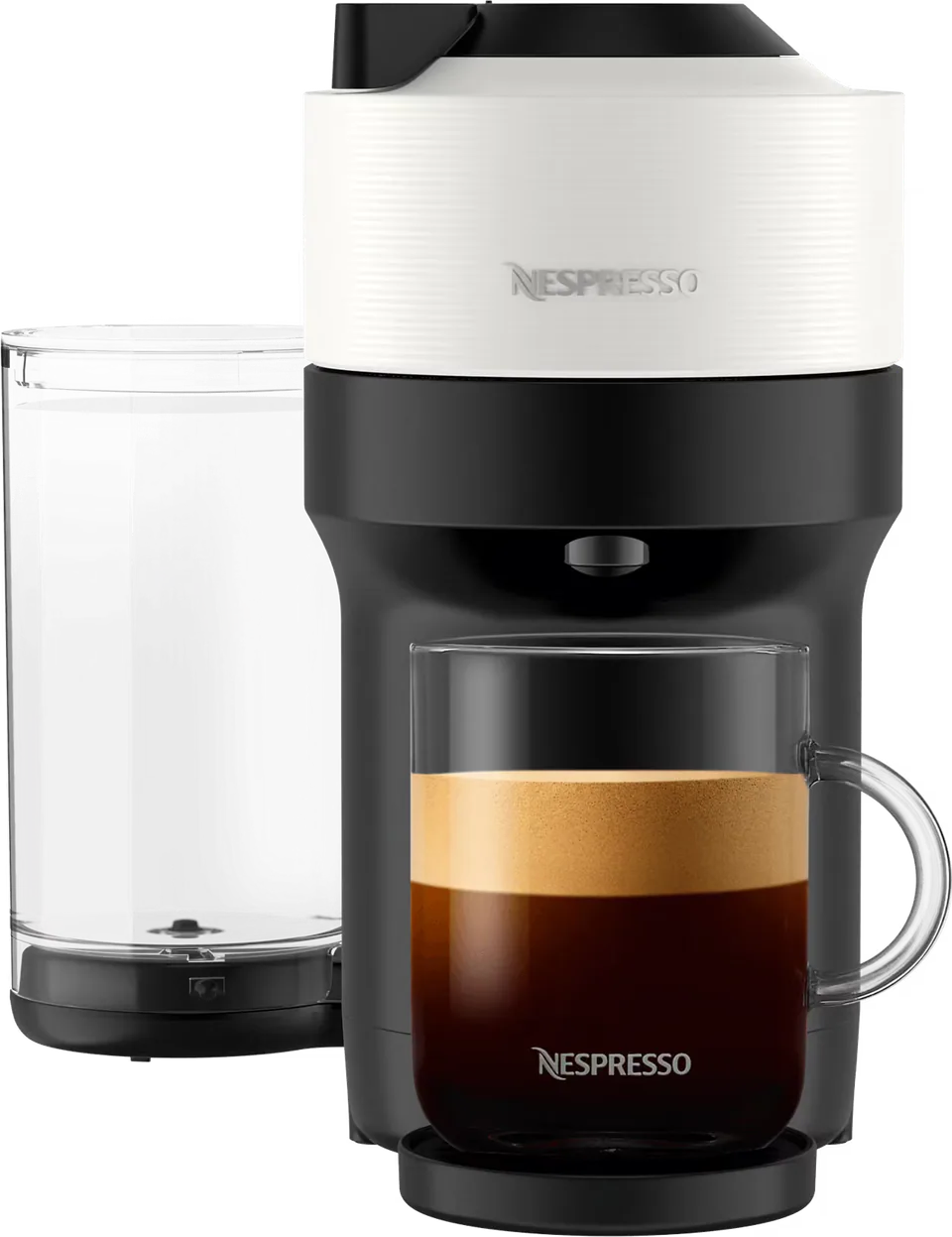
Nespresso
Nespresso's smallest, cheapest Vertuo: one button for five cup sizes plus an iced mode, but you're locked into Vertuo pods.
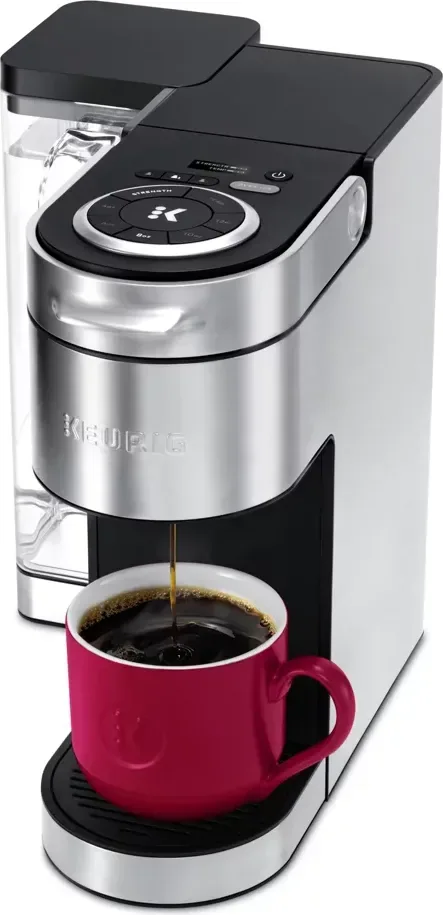
Keurig
Keurig's best-equipped non-smart K-Cup brewer: five sizes, strength and temperature control, over-ice mode and three saved profiles.
Buying guide
Drip machines make several cups at once with little effort; pour-over and AeroPress suit one or two cups and reward attention; French press is simple and forgiving. Moka pots make strong, concentrated coffee on the stove, and cold brew makers steep for many hours.
Certified home brewers have passed the SCA's third-party testing for brewing quality, consistency and performance. It isn't the only sign of a good machine, but it's an independent check.
Paper filters absorb more oils and give a clean cup; metal filters let more oil and sediment through for a heavier body. Harvard's Nutrition Source notes that unfiltered coffee contains diterpenes that can raise LDL cholesterol, so paper is the better daily choice if that's a concern for you.
A hot plate keeps heating brewed coffee, which turns it flat and bitter over time. A thermal carafe holds temperature without further cooking.
Buy for the number of cups you actually brew, and check how easily the basket, carafe and reservoir come apart for washing. Major manufacturers recommend descaling drip machines at least every three to six months, more often with hard water.
Manual brewers depend on what surrounds them: fresh grounds from a burr grinder and, for pour-over, a gooseneck kettle for controlled pouring. A modest brewer with a good grinder often beats an expensive brewer with stale pre-ground coffee.
Video reviews
FAQ
No single brewer wins for everyone. Pour-over and AeroPress give the most control for one or two cups, a good SCA-certified drip machine makes consistent coffee for several people with no effort, and a French press gives a rich, full-bodied cup. Beans, grind and ratio matter as much as the brewer, so pick the method that suits your routine, then dial in from there.
Around 195–205°F (90–96°C). The National Coffee Association gives 93°C, plus or minus 3°C, for French press, and water much cooler than that tends to under-extract and taste sour or thin. With automatic drip machines you usually can't adjust the temperature, which is one reason independent testing such as SCA certification is useful when you shop.
Unfiltered coffee, including French press and Turkish coffee, contains diterpenes that can raise LDL cholesterol and triglycerides, according to Harvard's Nutrition Source, while paper-filtered drip coffee contains almost none. If your LDL is a concern, use paper filters for everyday coffee, keep unfiltered brews occasional, and ask your doctor what makes sense for you.
For drip, the National Coffee Association suggests 1 to 2 tablespoons of ground coffee per 6 oz of water. For French press, it gives a ratio of 1:10 to 1:16 by weight, with a coarse grind and about four minutes of steeping. If you weigh, 15–18 g of coffee per 8 oz (240 ml) of water is a good middle ground for both.
Community
No discussions yet.
Own coffee makers & brewers? Ask a question or share your recipe — you’ll be the first.