Best overall
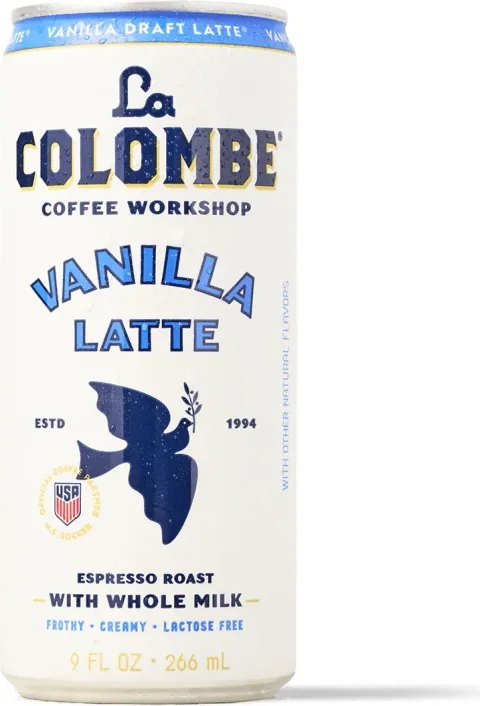
La Colombe Coffee Roasters
Vanilla Draft Latte (9 oz can)
7.7Good
La Colombe's frothy nitro-charged canned latte: creamy and lightly sweet, though the can has shrunk to 9 oz at about $2.83 each.
Cold Brew & RTD5$2.83 / cup
Canned and bottled cold brew, lattes and nitro, scored on taste, ingredients, caffeine and sugar labeling, and value.
Top rated
This category covers coffee you open and drink: cold brew in cans and bottles, ready-to-drink lattes, and nitro coffee infused with nitrogen for a creamy texture. Cold brew is steeped in room-temperature or cooler water, often for 12 to 18 hours or longer, and the National Coffee Association notes it tends to taste smoother and less bitter than hot-brewed coffee.
Products in this aisle differ more than their cans suggest. Caffeine varies widely between brands and sizes, and not every label prints it, so a stated milligram figure is worth looking for. Sweetened lattes can use a large share of the FDA's 50 g daily value for added sugars in one bottle. The ingredient list tells you the rest: a plain cold brew should be coffee and water, and a latte should name the milk or plant milk it uses. Note whether a product is shelf-stable or must stay refrigerated, and follow that label.
Our Cup score weights flavor 30%, quality and freshness 20%, value 20%, sourcing and transparency 15%, and community love 15%. In this category, transparency includes clear caffeine and sugar labeling, and value is price per serving compared with other ready-to-drink options.
All cold brew & rtd
7 products
La Colombe Coffee Roasters
La Colombe's frothy nitro-charged canned latte: creamy and lightly sweet, though the can has shrunk to 9 oz at about $2.83 each.
Chameleon Cold-Brew
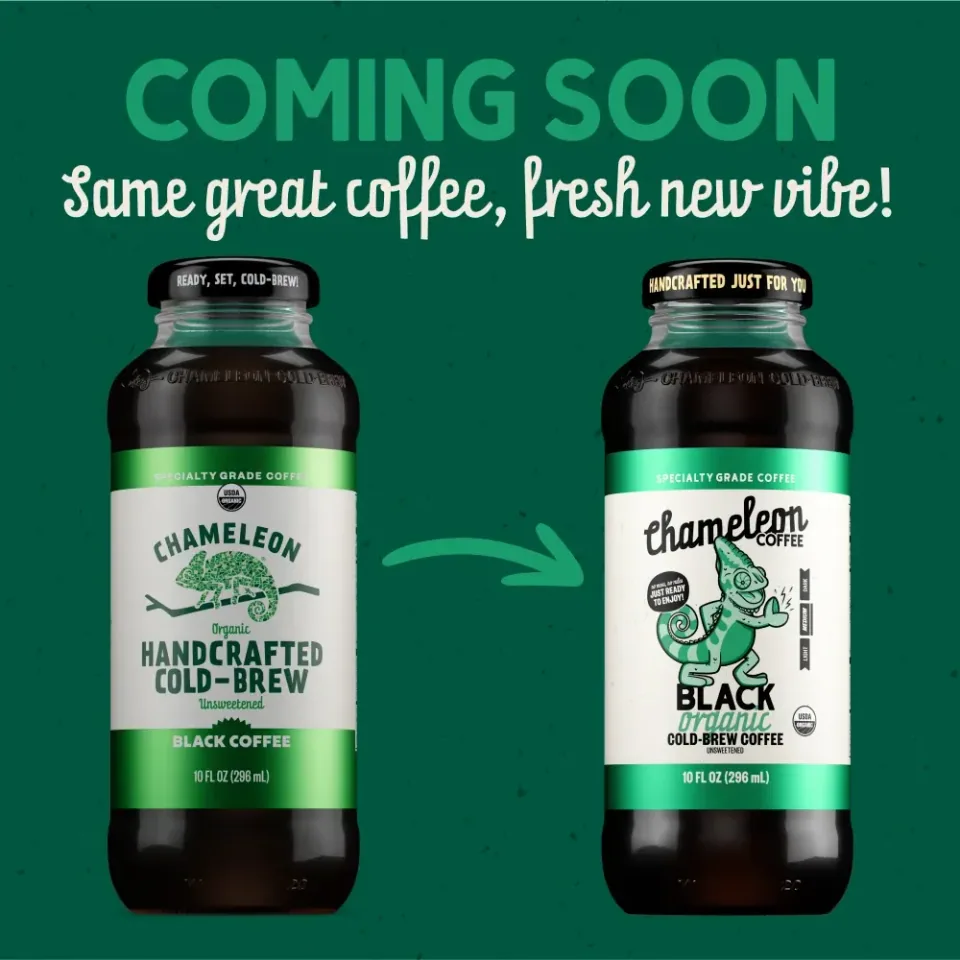
USDA Organic black cold brew in a 10 oz glass bottle: clean, smooth and unsweetened, but pricey per ounce.
RISE Brewing Co.
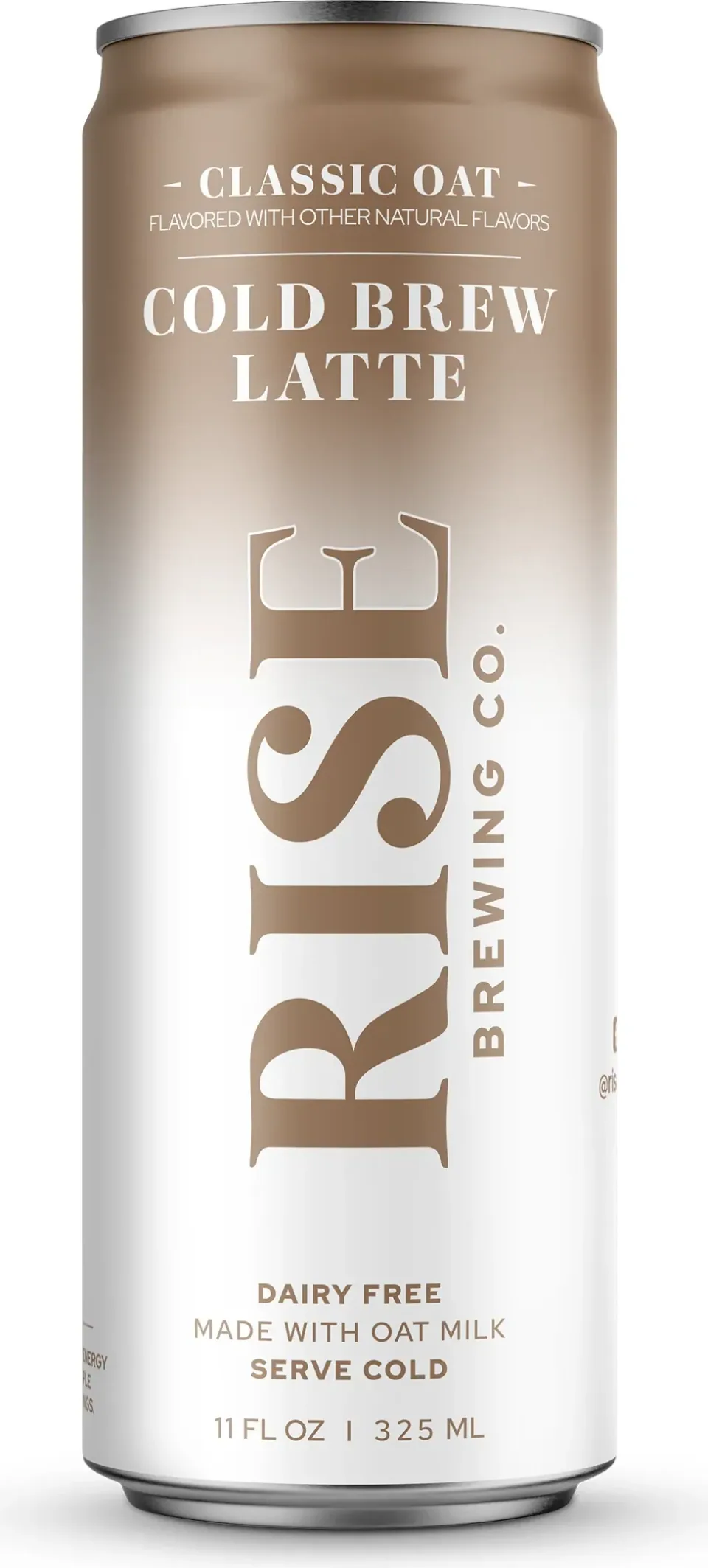
A dairy-free oat-milk cold brew latte that is smooth and coffee-forward, but carries 14 g of added sugar for 90 mg of caffeine.
STōK Cold Brew Coffee
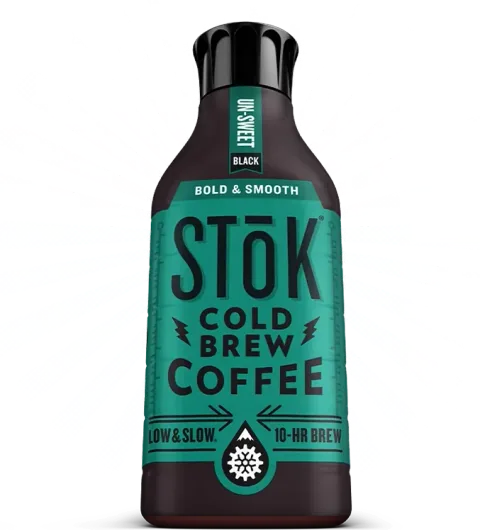
Widely sold unsweetened black cold brew with about 125 mg caffeine per 12 oz: smooth and easy, though some find it chemical-tasting.
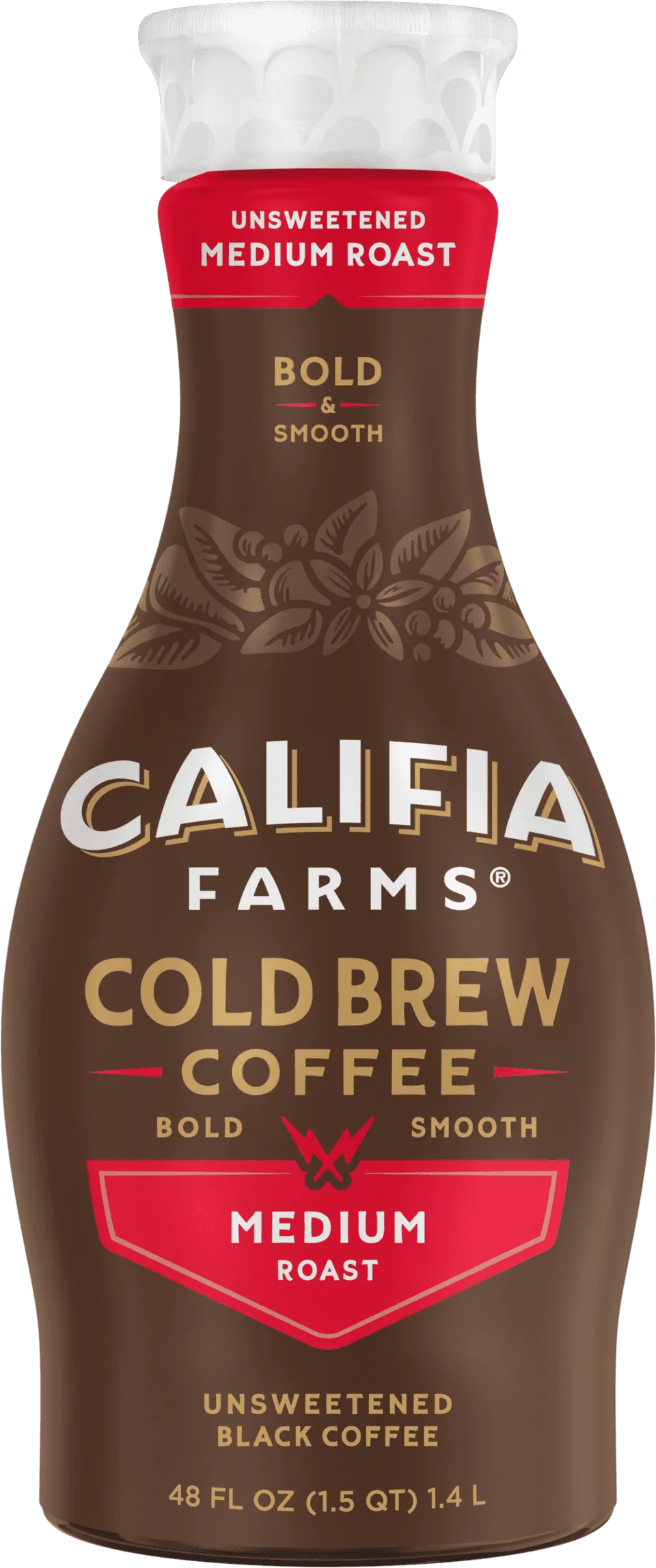
Califia Farms
Unsweetened two-ingredient cold brew in a 48 oz bottle, made for mixing with plant milks; clean, but caffeine and price go unpublished.
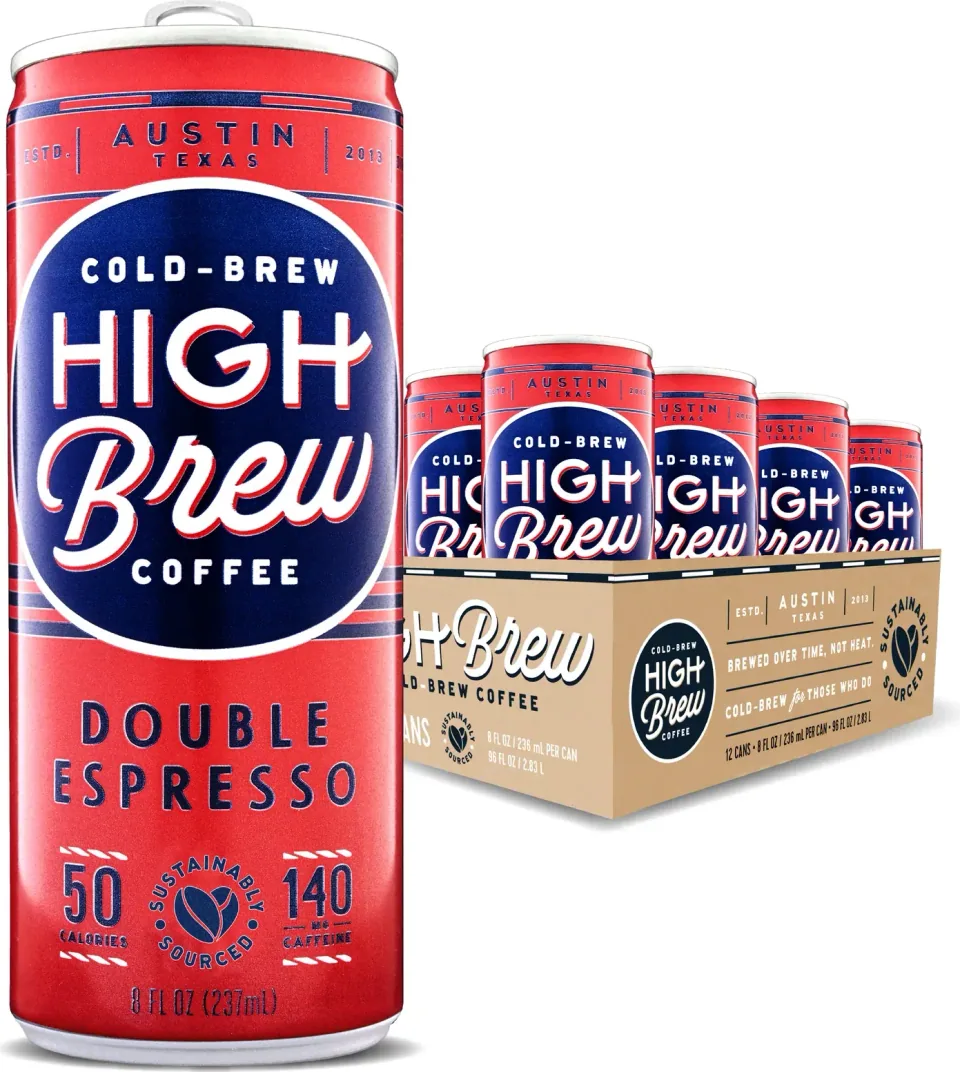
High Brew Coffee
Shelf-stable 8 oz can with 140 mg caffeine and 50 calories: a lightly sweet, strong cold brew that lives in a bag, not the fridge.
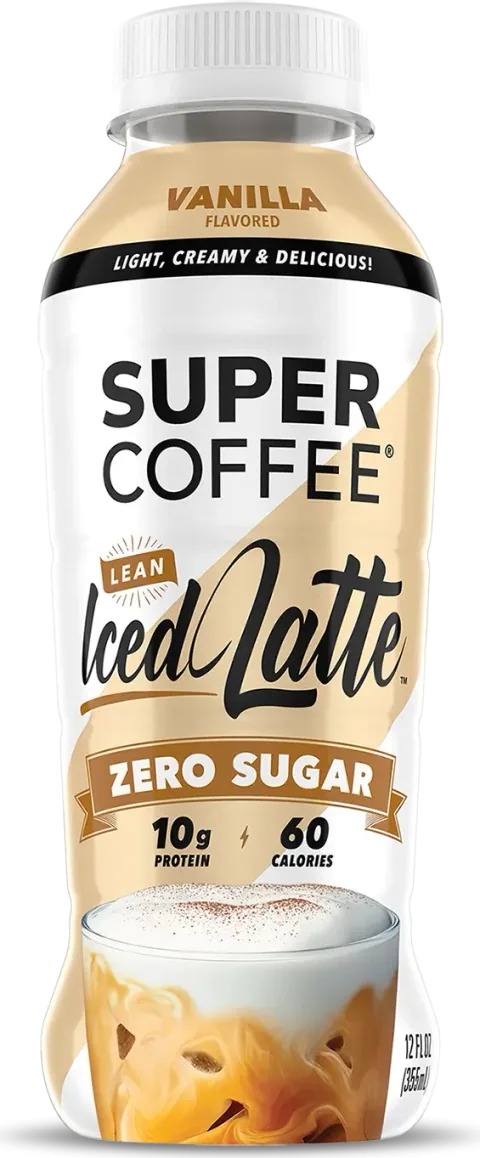
Super Coffee
Zero-sugar, 60-calorie bottled latte with 10 g protein and 150 mg caffeine: a fitness favorite if you are fine with sucralose.
Buying guide
Look for milligrams per container rather than words like 'bold' or 'extra strength'. The FDA cites 400 mg a day as an amount not generally associated with negative effects for most healthy adults, and a large can of strong cold brew can use a good share of that.
The FDA's reference serving for sweetened coffee drinks is 12 fl oz, but many bottles are larger, so check whether the panel covers one serving or the whole container. The daily value for added sugars is 50 g, and 20% of the daily value or more per serving counts as high.
Ingredients are listed from most to least by weight. Plain cold brew should be coffee and water; for lattes, look for milk or a plant milk near the top and sugar further down.
Some cold brew is shelf-stable until opened, and some must stay cold from the factory to your fridge. Follow 'keep refrigerated' and 'use within' instructions exactly, since they're there for safety as well as flavor.
Nitro coffee is infused with nitrogen, which forms tiny bubbles and a creamy, stout-like texture without added dairy. Chill cans well and pour into a glass to get the full cascade and foam.
Single cans, multi-packs and large jugs make price comparisons tricky. Work out the cost per 12 oz serving, and remember that concentrates you dilute at home are a separate category with their own math.
Video reviews
FAQ
Not by definition. Iced coffee is brewed hot and then cooled, while cold brew steeps in room-temperature or cooler water for hours. Strength depends on the coffee-to-water ratio and how much it's diluted. Cold brew is often made as a concentrate at about 1:4 to 1:5 and then cut with water or ice, so a ready-to-drink can may be mild or very strong. Check the caffeine on the label.
It varies widely by brand and can size, which is why we note stated milligrams where brands publish them. For reference, the FDA lists 113–247 mg for 12 oz of regular brewed coffee and cites 400 mg a day as an amount not generally associated with negative effects for most healthy adults. If you're pregnant, breastfeeding or sensitive to caffeine, check labels closely and ask your health care provider about limits.
Follow the label. Some ready-to-drink cold brew is processed to be shelf-stable until it's opened, while other products must stay refrigerated the whole time. Once opened, refrigerate any coffee drink and finish it within the period the label gives. If a refrigerated product has been left out, or a can or bottle is bulging or damaged, don't drink it.
Nitro cold brew is cold brew infused with nitrogen gas. Nitrogen forms smaller bubbles than the carbon dioxide in sparkling drinks, giving a dense, creamy foam and a smooth body without milk or sugar. In cans, the nitrogen is released when you open and pour, so chill the can well and pour it into a glass for the best texture.
Community
No discussions yet.
Own cold brew & ready-to-drink? Ask a question or share your recipe — you’ll be the first.