
Best overall
Cometeer
Curated Bundle Frozen Coffee Capsules (40 cups)
8.2Great
Flash-frozen specialty coffee from top roasters that tastes freshly brewed in seconds, at about $2.63 a cup plus freezer space.
Concentrates5$2.63 / cup
Liquid and frozen coffee concentrates scored on flavor after dilution, caffeine clarity and price per prepared cup.
Top rated
Coffee concentrates are strong coffee you dilute at home: cold brew concentrate in cartons and bottles, shelf-stable liquid extracts, and frozen single-serve extracts you melt into hot water or milk. They suit people who want quick iced coffee, lattes or a hot cup without brewing equipment, and they let you set the strength yourself.
Read the label more closely here than in most categories. Dilution instructions vary between brands, so a bottle that looks cheap can work out expensive per finished drink, and caffeine per serving depends on how much you pour. The best concentrates list coffee and water and little else, state servings per container at the recommended dilution, and give caffeine per serving. Cold brew concentrate is typically brewed at about 1 part coffee to 4–5 parts water, according to the National Coffee Association, which is why it needs cutting with water, milk or ice. Once opened, refrigerate it and finish it within the time on the label; frozen extracts must stay frozen until you use them.
Our Cup score weights flavor 30%, quality and freshness 20%, value 20%, sourcing and transparency 15%, and community love 15%. For concentrates, we judge flavor after dilution as directed, and value is price per prepared serving.
All concentrates
5 products
Cometeer
Flash-frozen specialty coffee from top roasters that tastes freshly brewed in seconds, at about $2.63 a cup plus freezer space.
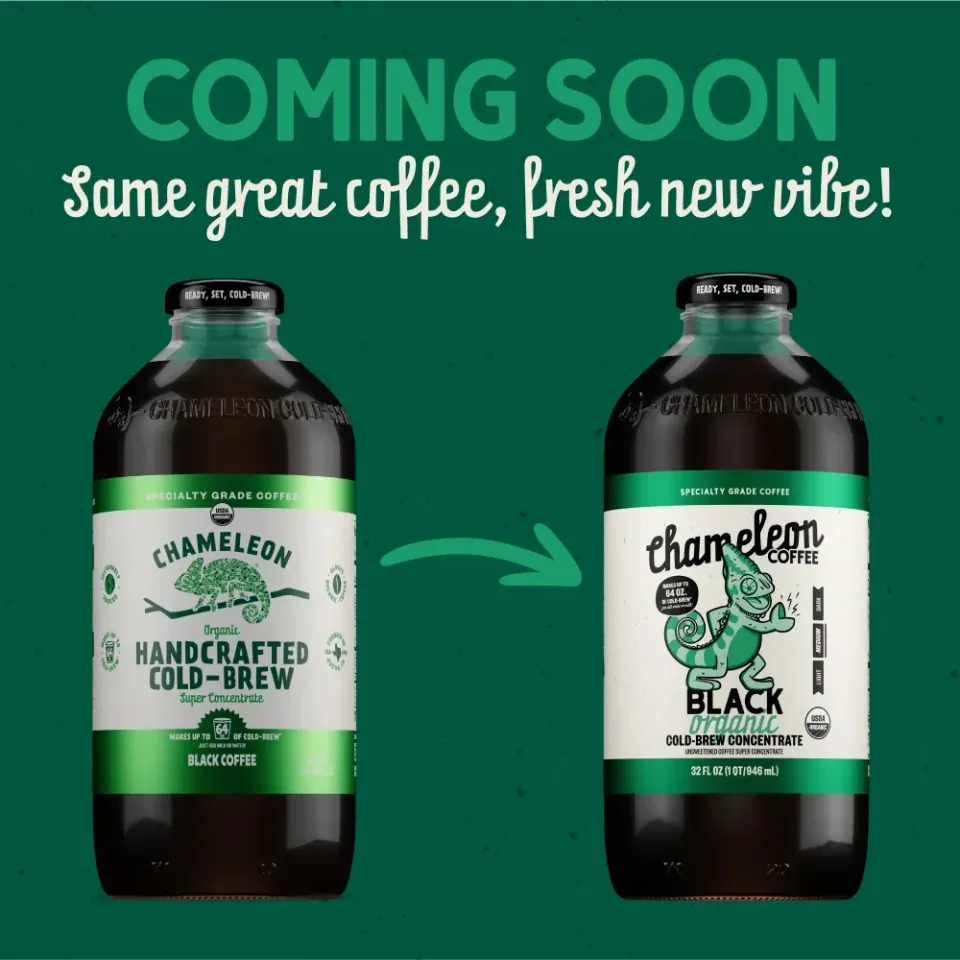
Chameleon Cold-Brew
An organic grocery-store concentrate from Guatemala, Colombia and Peru/Honduras that makes 64 oz of cold brew for $10.99.
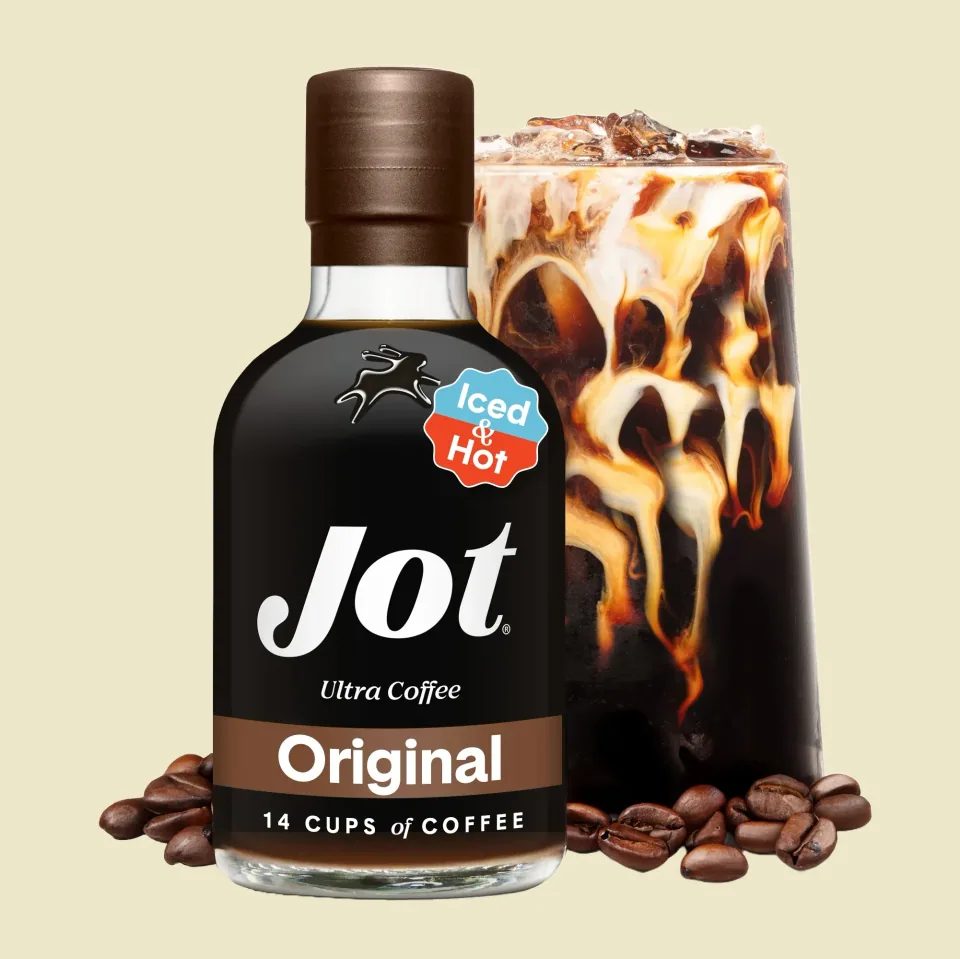
Jot
A 20x specialty concentrate: one tablespoon makes a smooth, chocolatey cup with 150 mg caffeine, at nearly $2 a serving.
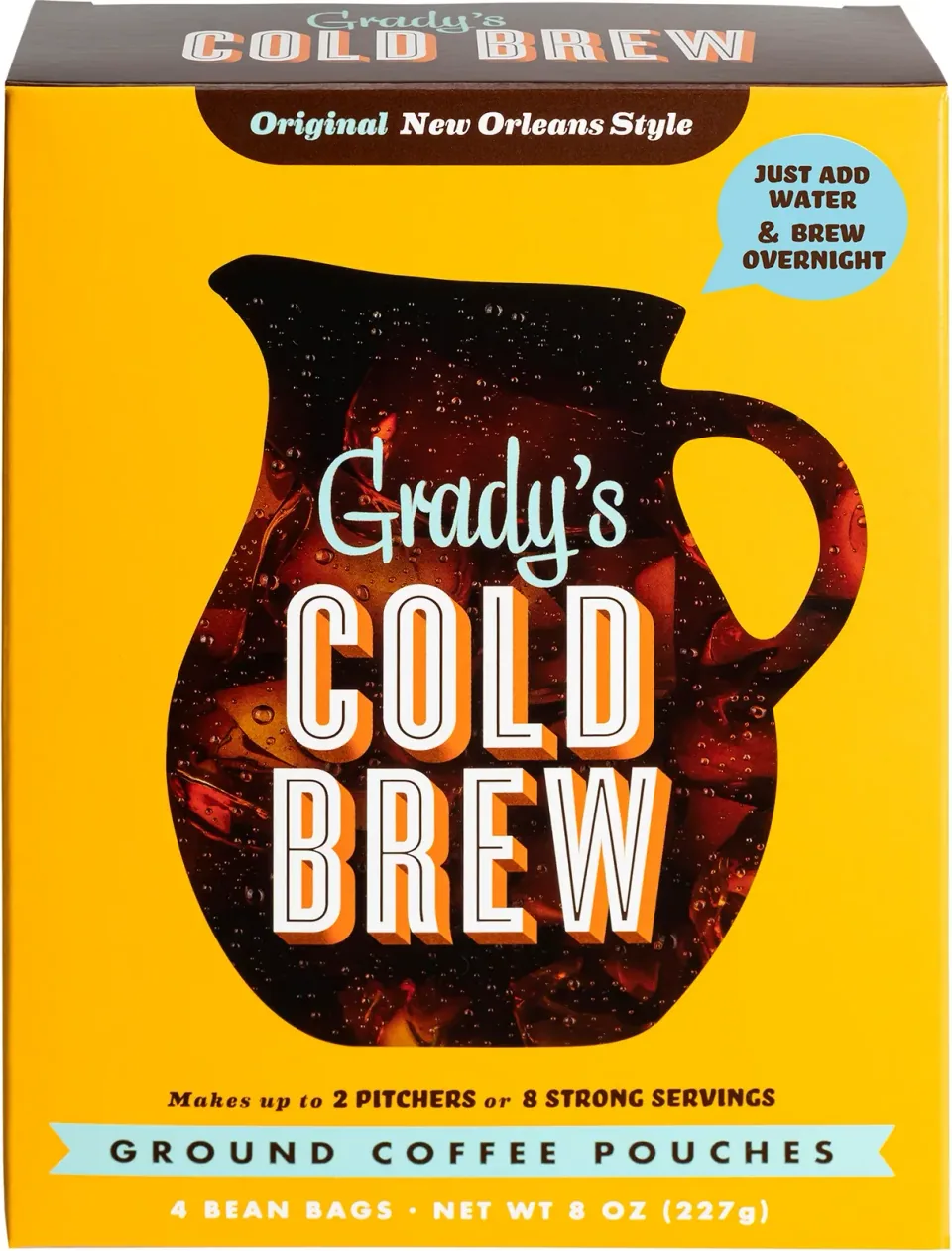
Grady's Cold Brew
Steep-it-yourself New Orleans cold brew: chicory-spiced, smooth and naturally sweet, at about $1.33 a drink before you buy in bulk.
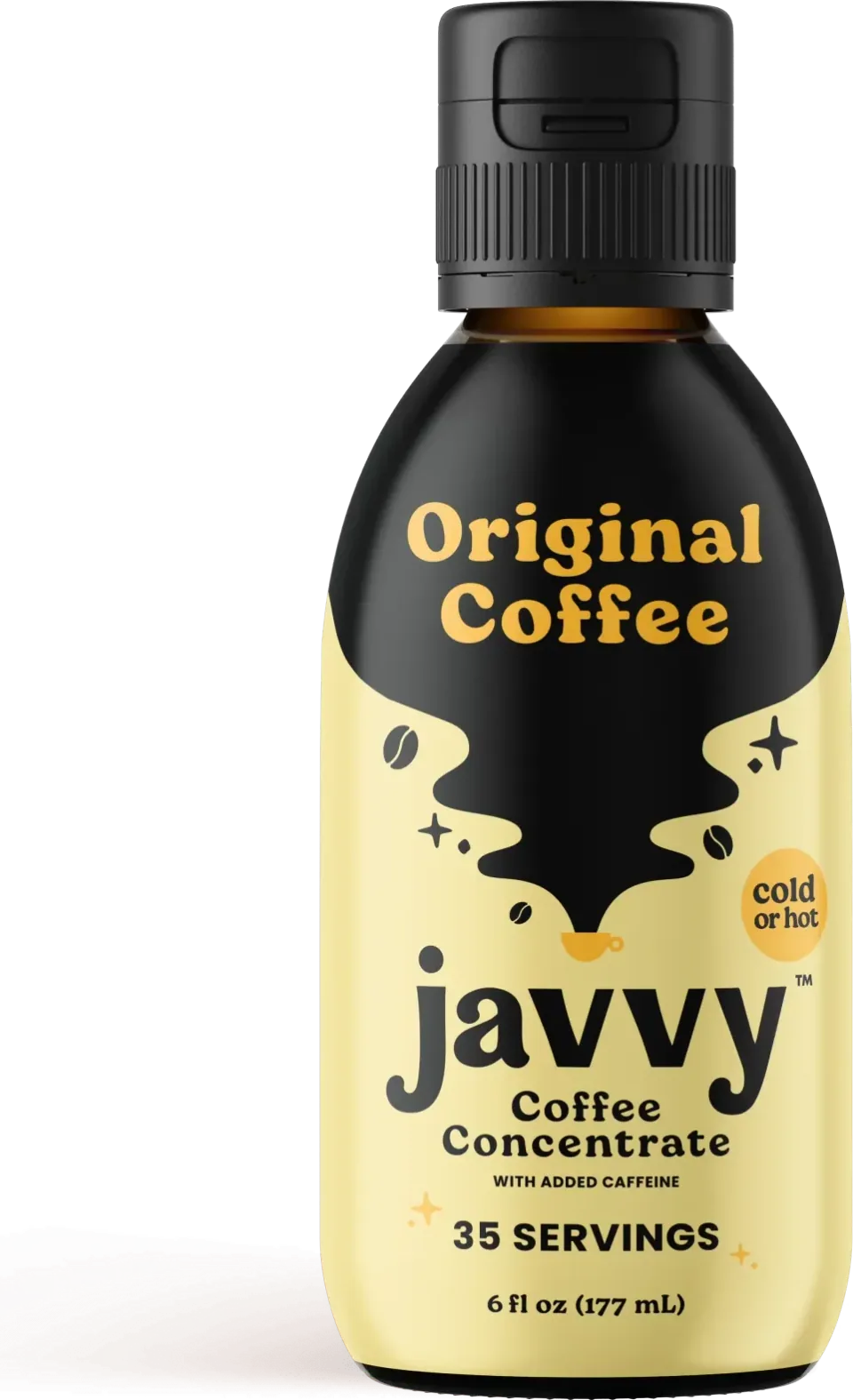
Javvy Coffee
A TikTok Shop hit with 128K+ sold on one listing: a teaspoon makes an iced coffee for under $1, though even fans call the taste average.
Buying guide
Find the number of servings at the brand's recommended dilution and divide the price by it. A small bottle meant to be mixed 1:3 can beat a larger one meant to be mixed 1:1.
Because you control the pour, it's easy to overshoot. Brands that state milligrams per serving make it simple to stay within your own limit; the FDA cites 400 mg a day as an amount not generally linked to negative effects in most healthy adults.
Mix at the weaker end of the instructions, taste, and add more concentrate if needed. For iced drinks, allow for melting ice, which dilutes the drink further.
Some concentrates are pre-sweetened or flavored. Read the added sugars line per serving; the FDA treats 20% of the daily value or more as high.
Shelf-stable cartons need refrigeration once opened and carry a use-within window, so a big carton only pays off if you'll finish it in time. Frozen extracts must stay frozen until you use them, and the brand's thawing directions are worth following.
Cold brew concentrate suits iced coffee and lattes, frozen single-serve extracts suit hot cups and travel, and espresso-style concentrates suit milk drinks. If you drink one cup a day, smaller formats waste less.
Video reviews
FAQ
Follow the brand's ratio first, because concentrates are made at different strengths. Cold brew concentrate is often brewed at about 1 part coffee to 4–5 parts water, according to the National Coffee Association, and is meant to be cut with water, milk or ice. Start at the weaker end of the instructions, taste, then add more concentrate if needed. For iced drinks, allow for melting ice.
No. Espresso is brewed in about 20–30 seconds under high pressure from finely ground coffee, while cold brew concentrate steeps coarse grounds in cool water for hours. Both are strong, but they taste different: cold brew tends to be smoother and less bitter, espresso more intense and aromatic. Products sold as 'espresso-style' concentrate can be made either way, so check how the brand describes its process.
Check the label, because it depends on the product and how it was processed. Shelf-stable concentrates need refrigeration after opening and come with a use-within window, while refrigerated products carry a printed date. Frozen extracts keep until their date while frozen but should be used promptly once thawed. If a concentrate smells sour or off, throw it out.
It depends on the brand and how much you pour, which is why stated milligrams per serving matter. A double pour of a strong concentrate carries roughly twice the caffeine of a single serving. For context, the FDA lists 113–247 mg for 12 oz of regular brewed coffee and cites 400 mg a day as an amount not generally associated with negative effects for most healthy adults.
Community
No discussions yet.
Own coffee concentrates? Ask a question or share your recipe — you’ll be the first.