Best overall Trending
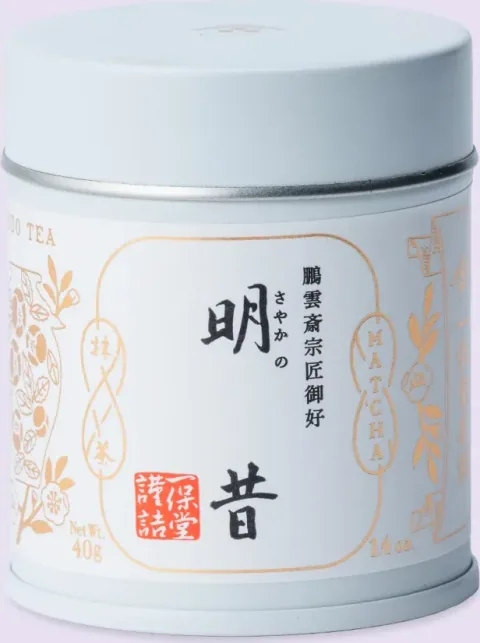
Ippodo Tea
Sayaka Matcha (40g Can)
8.4Great
Ippodo's smooth, umami-forward 'first taste' blend: a benchmark Kyoto usucha that is pricey and often hard to get.
Ceremonial4$2.50 / serving
Matcha from Uji, Nishio, Kagoshima and beyond, scored on flavor, color, freshness and origin rather than grade labels.
Top rated
Matcha is green tea made from shade-grown leaves that are steamed and dried without rolling (that dried leaf is called tencha), then ground into a fine powder. Japan's national tea industry association defines it this way in its green tea labeling standard: fields covered for about two to three weeks before picking, and tencha milled with a stone mill or an equivalent. Tea simply pulverized from other leaf is classed separately as powdered tea.
Grade words are less official than they look. 'Ceremonial', 'premium' and 'culinary' have no shared standard, and on our pages they describe intended use, not a certification. Judge the powder instead: vivid green rather than dull olive or yellow, a fine, silky texture, a sweet, vegetal aroma, and a smooth finish without harsh bitterness when whisked. A bowl of usucha uses 2 g of matcha (about a level teaspoon) whisked into 60 ml of water at 80°C; koicha doubles the powder and halves the water. Matcha is perishable, so look for small airtight tins, a clear date and a named origin.
Our Cup score weights flavor 30%, quality and freshness 20%, value 20%, sourcing and transparency 15%, and community love 15%. For matcha, quality covers leaf grade, color and packaging, value is price per gram and per bowl, and transparency rewards a named region, producer and harvest.
All matcha
12 products
Ippodo Tea
Ippodo's smooth, umami-forward 'first taste' blend: a benchmark Kyoto usucha that is pricey and often hard to get.
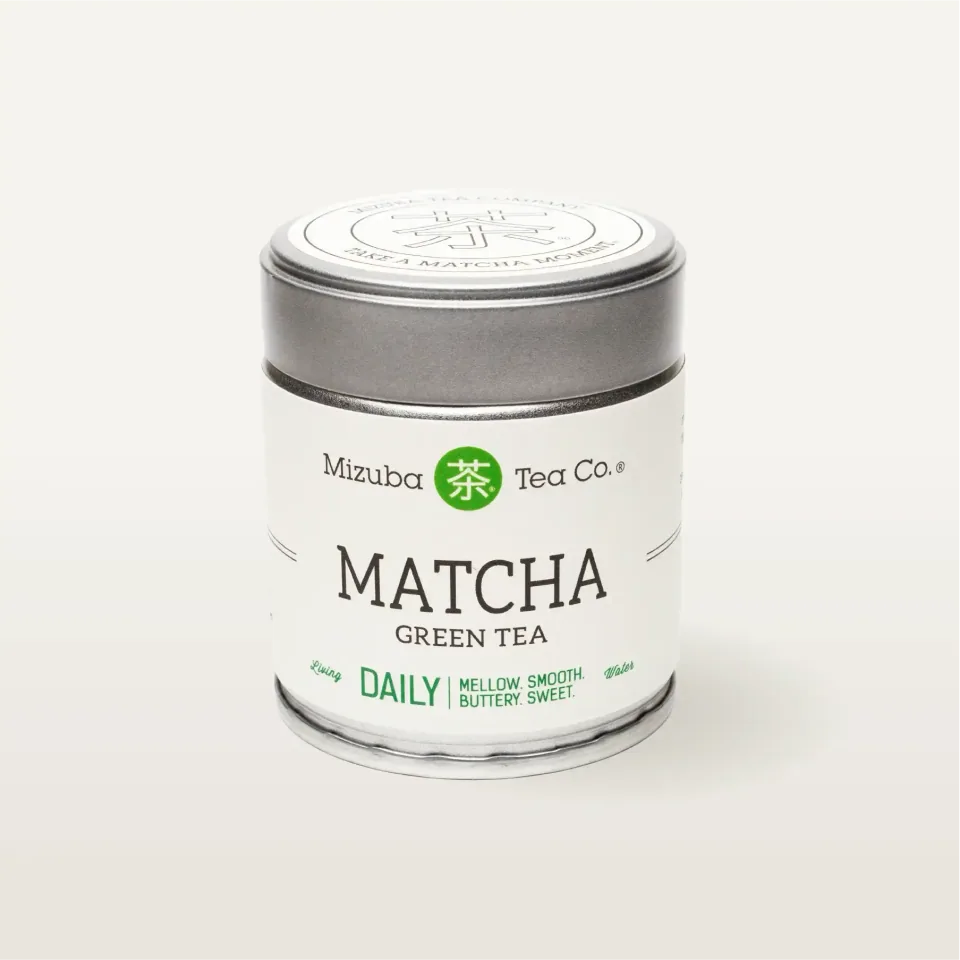
Mizuba Tea Co.
Stone-milled-to-order Uji matcha for $25 per 40 g: a creator-favorite everyday tin, though some Reddit buyers found it bitter.
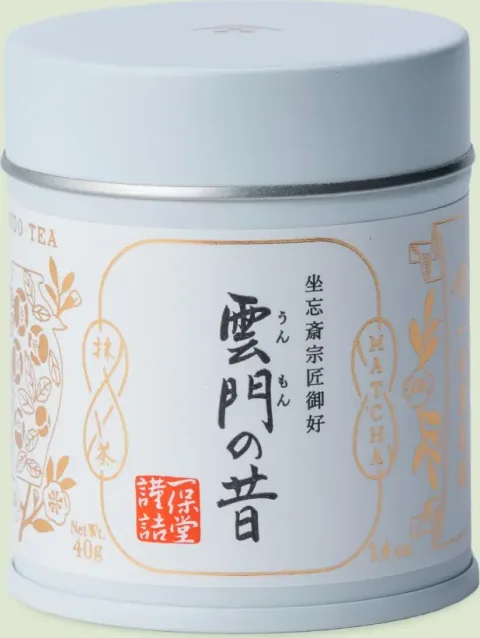
Ippodo Tea
Ippodo's richest everyday-tier blend: big umami, deep emerald color and a long finish, at a true special-occasion price.
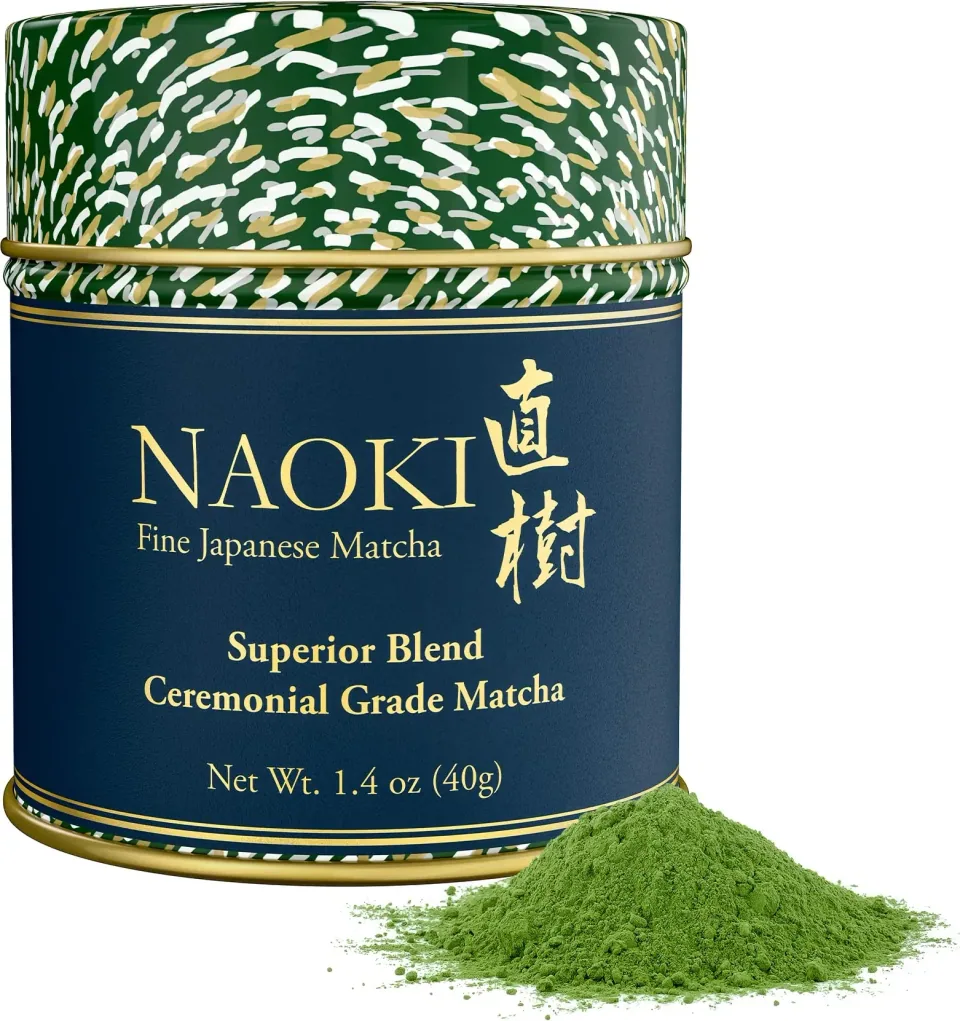
Naoki Matcha
Amazon's go-to starter ceremonial: mild, low-bitterness Uji matcha at about $1.25 a serving, though enthusiasts find it basic.
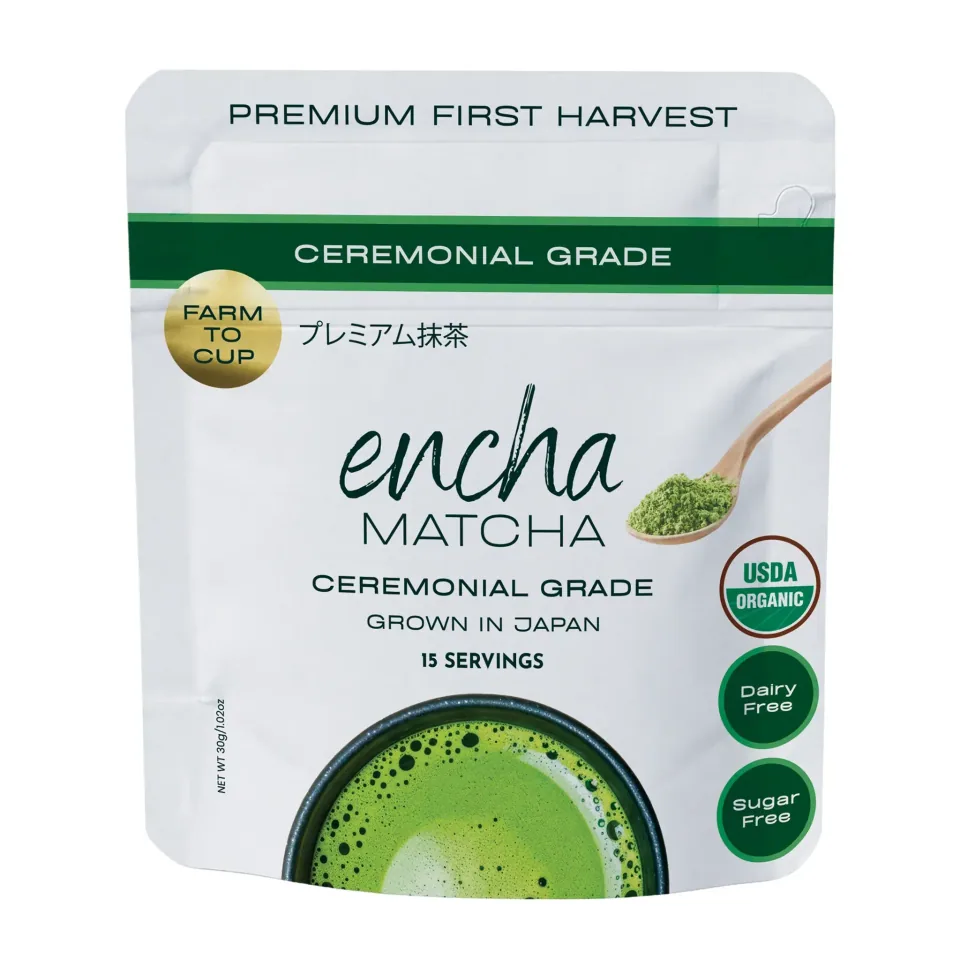
Encha
Affordable USDA-organic first-harvest matcha at about $1.33 a serving; pleasant and dependable rather than memorable.
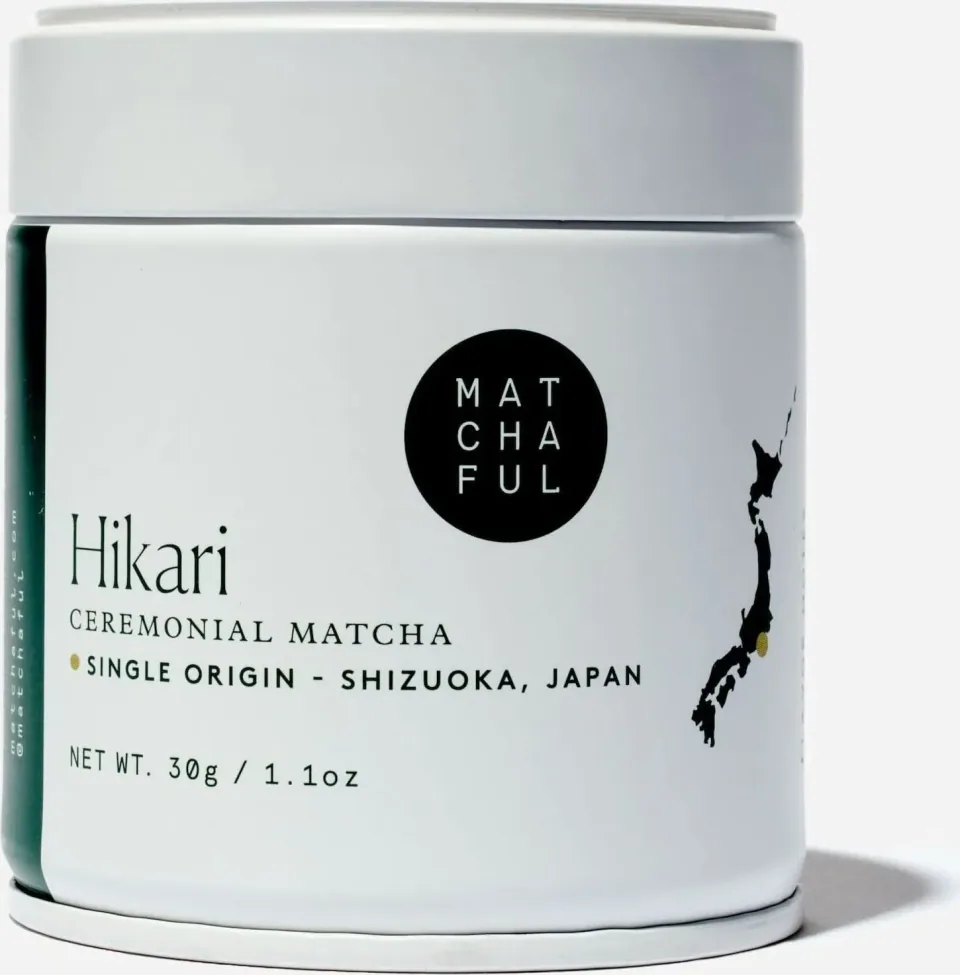
Matchaful
Single-estate, ground-to-order Shizuoka matcha with unusually detailed sourcing and testing; the taste divides reviewers at $42 a tin.
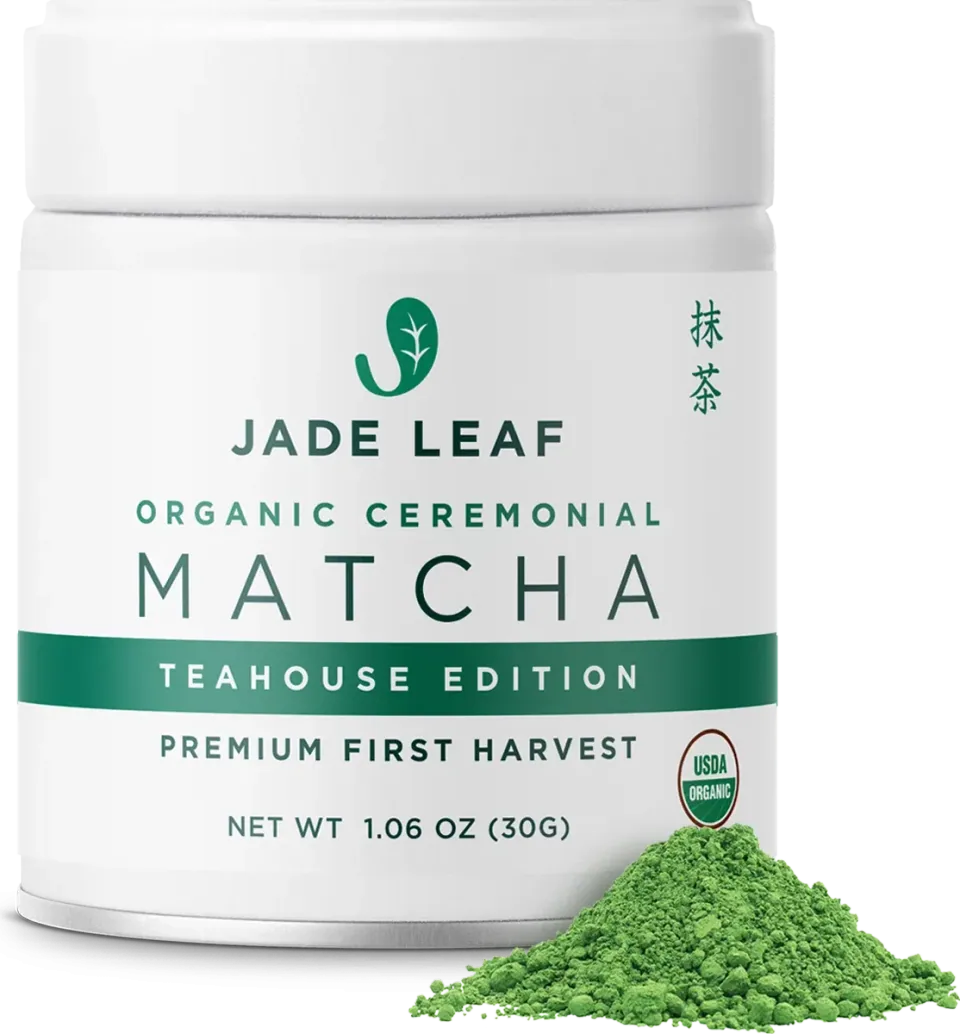
Jade Leaf Matcha
Jade Leaf's top organic ceremonial: smooth and nutty, easy to buy, but reviewers find it astringent and light on depth.
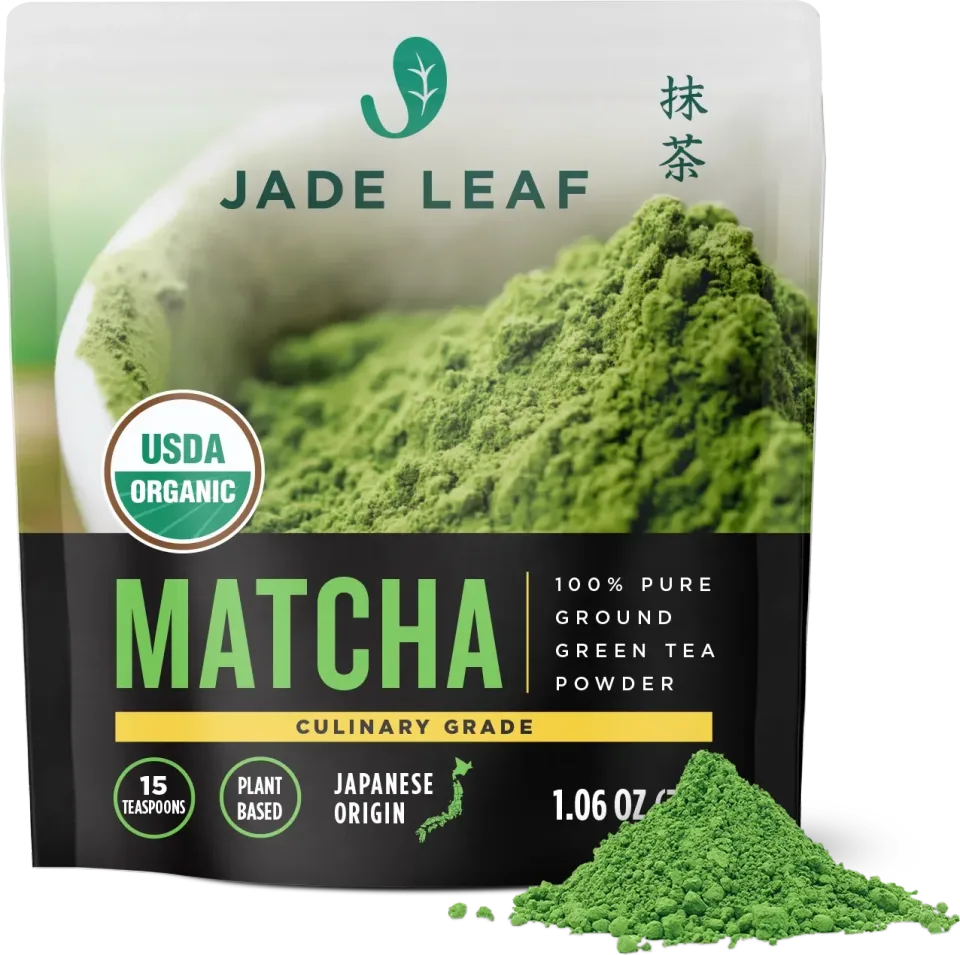
Jade Leaf Matcha
The $10.99 Amazon staple for lattes and baking: bold, earthy, organic second-harvest matcha that is too bitter to sip straight.
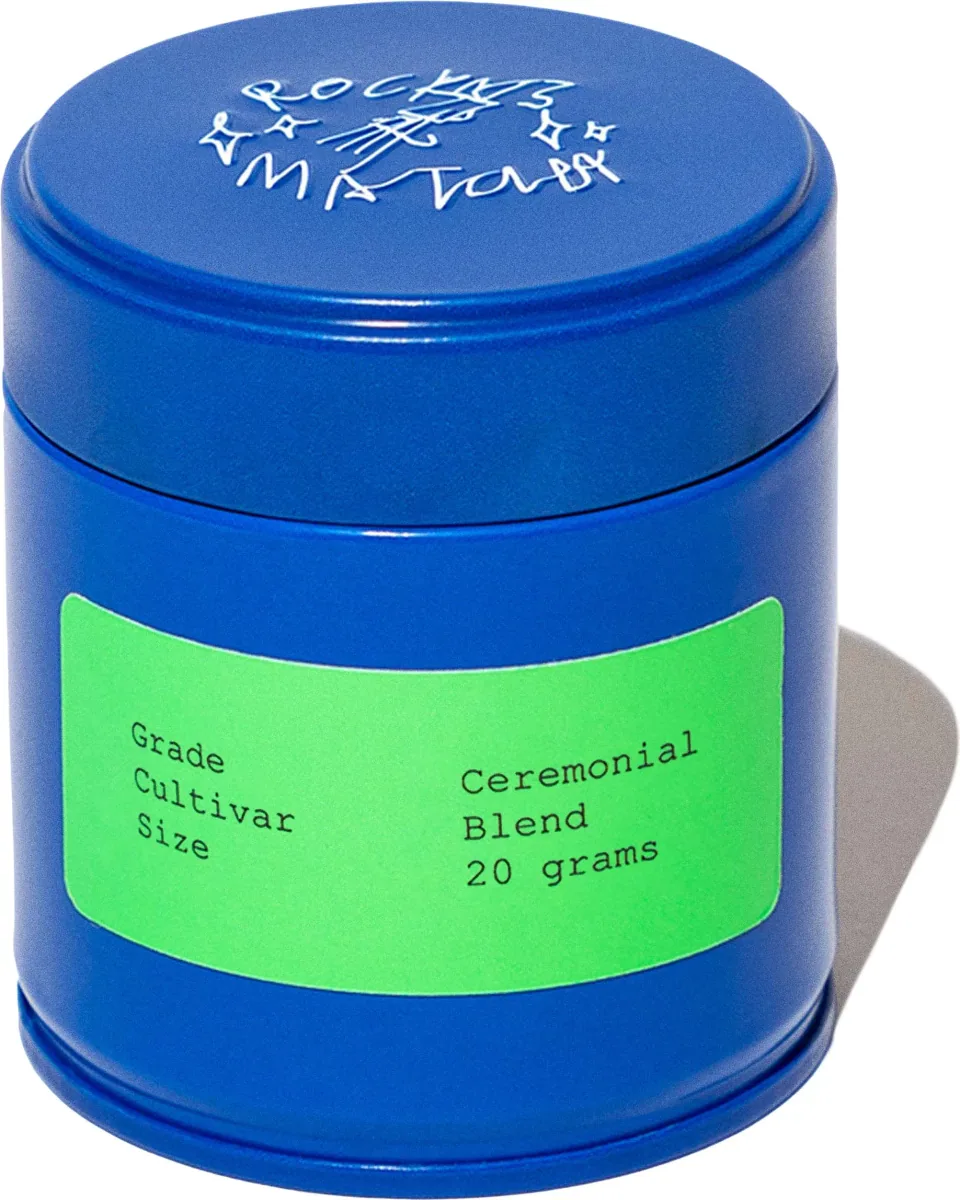
rocky's matcha
The trend-setting café brand's signature Yame blend: rich, savory and latte-friendly, but $36 buys only 20 g.
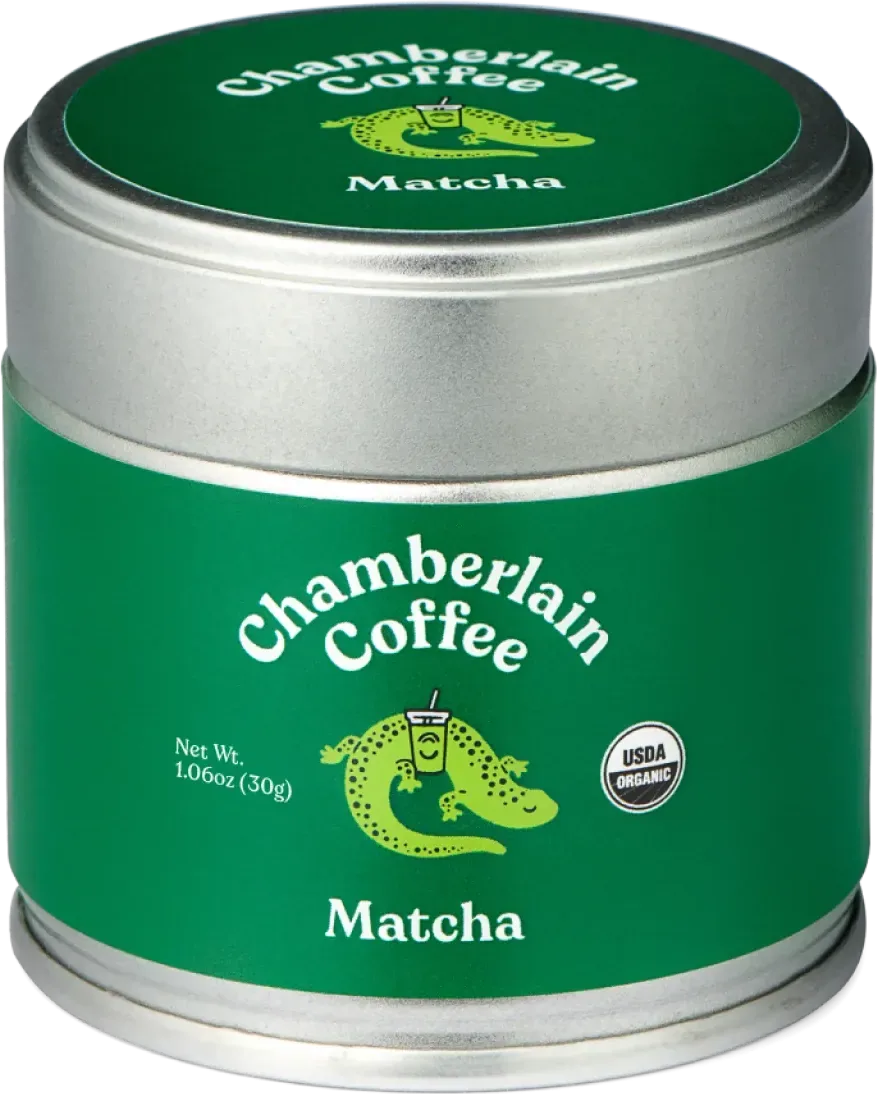
Chamberlain Coffee
Emma Chamberlain's organic ceremonial tin: sweet, light and easy to find, but reviewers call it a decent starter at best.
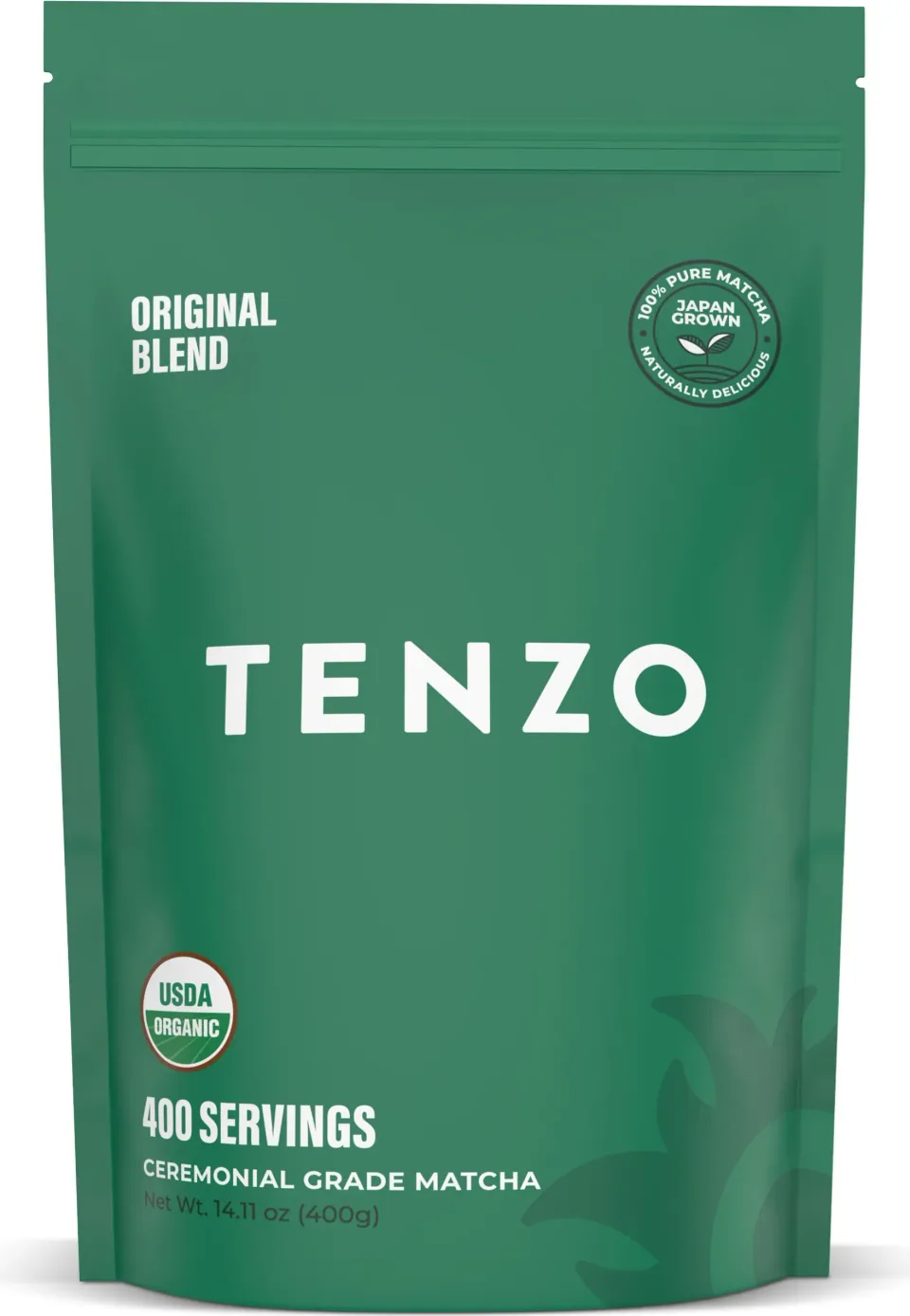
Tenzo Matcha
Cheap, organic Kagoshima matcha from a subscription-first store; independent reviewers find it bitter or bland on its own.
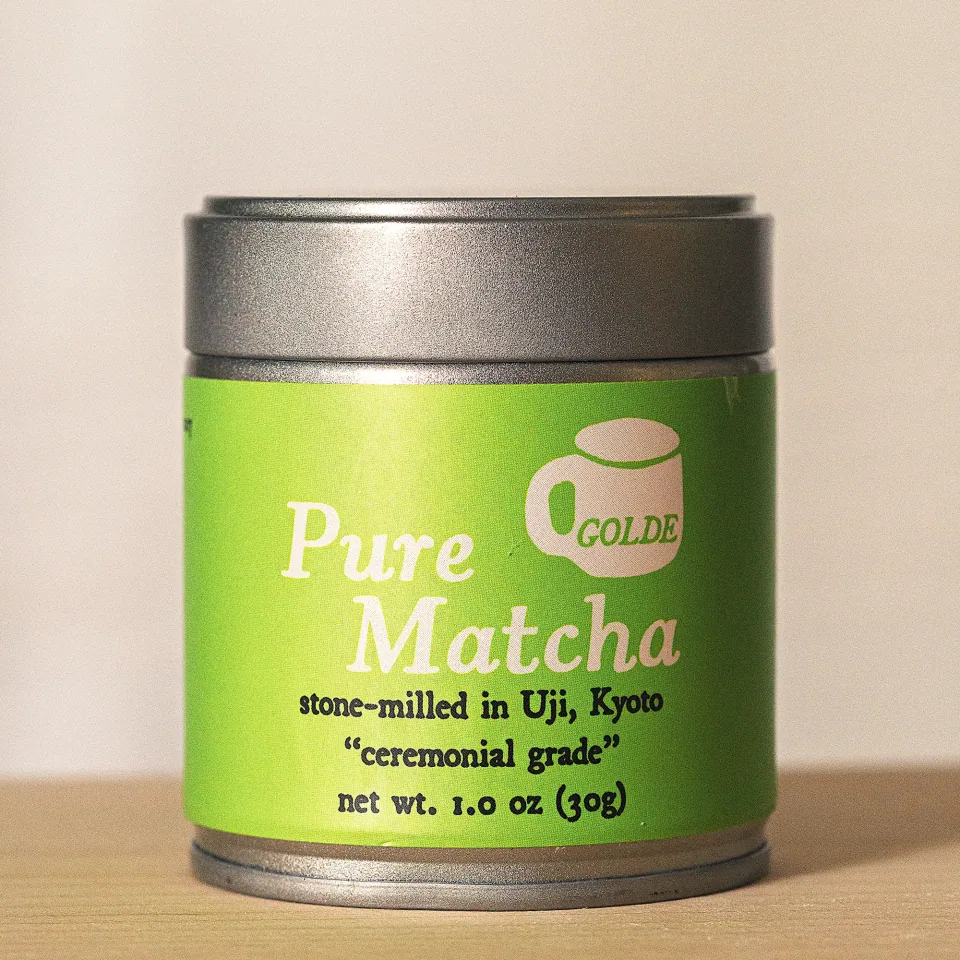
Golde
Wellness-brand Uji matcha with strong testing claims and press awards, but matcha reviewers find it bitter for the price.
Buying guide
Good matcha is a bright, vivid green and smells sweet and fresh. Dull, yellowish or brownish powder is usually older, oxidized or made from lower-grade leaf, whatever the label says.
Region (Uji, Nishio, Kagoshima, Shizuoka or Yame), producer, cultivar and harvest season are signs of a transparent seller. Under the Japanese tea industry's labeling standard, a regional name requires at least half the leaf to come from that region, and anything less than all of it must be shown as a blend.
Matcha loses color and aroma quickly once opened, and even sealed tins have a short shelf life; Ippodo lists 180 days for a 20 g box of its matcha. If you drink it daily, buy 20–40 g at a time and check the date.
Keep matcha airtight and away from light, heat, humidity and strong odors. If you refrigerate it, let the tin reach room temperature before opening so moisture doesn't condense on the powder, and finish it within a few weeks of opening.
Spend more on matcha you'll whisk with water, where every flaw shows. For lattes, smoothies and baking, a robust, less expensive matcha holds up to milk and sugar.
Tins range from 20 g to 100 g or more, so convert to price per gram. At 2 g per bowl of usucha, a 30 g tin makes 15 bowls.
Video reviews
FAQ
There's no official definition. The Japanese tea industry's labeling standard defines what matcha is, shade-grown tencha milled into a fine powder, but sets no 'ceremonial' or 'culinary' grade, so sellers use the words differently. In practice, 'ceremonial' usually labels the sweeter, smoother, more vivid matcha meant for whisking with water. Judge by color, aroma, origin details and taste rather than the label.
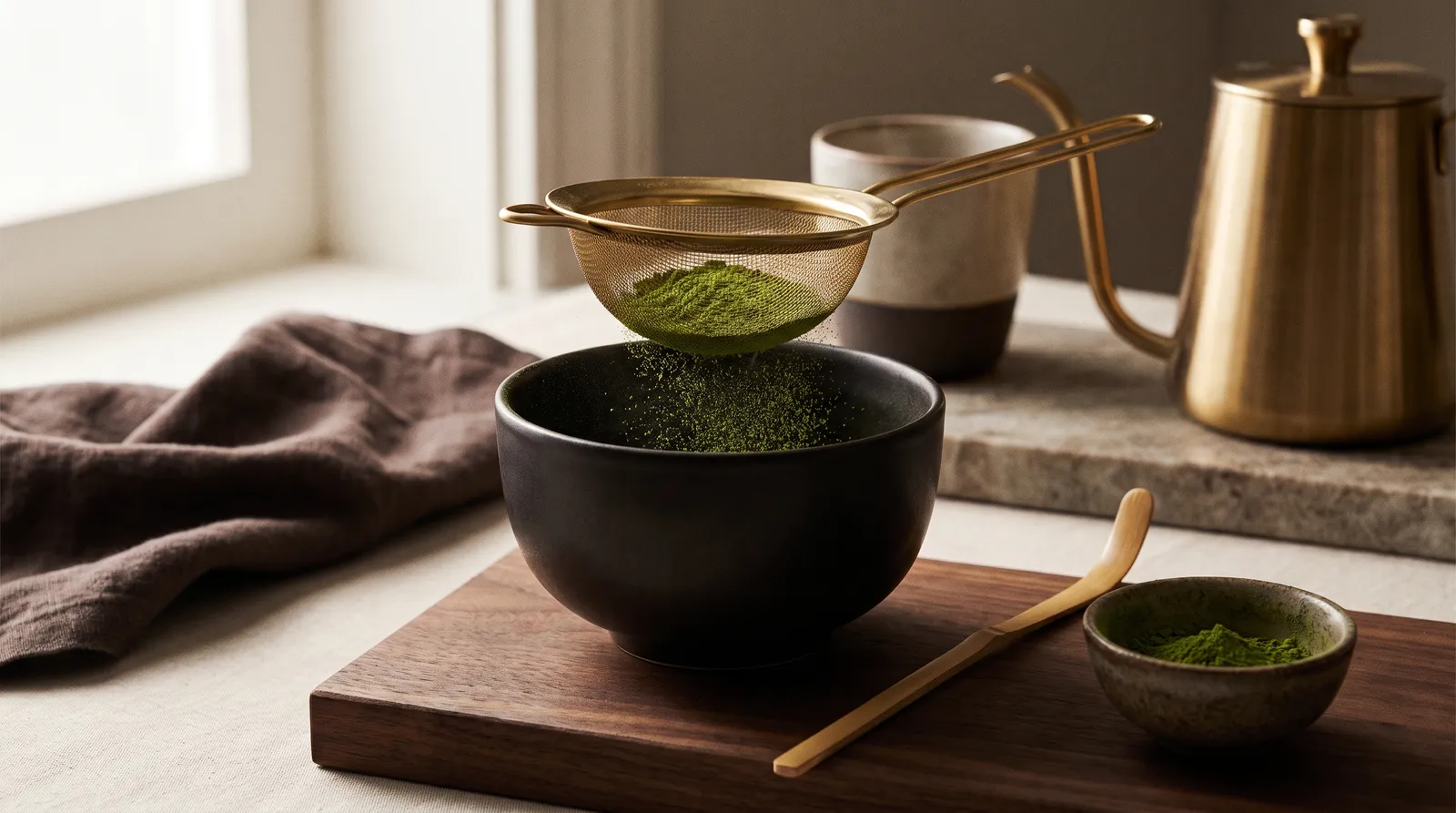
Sift 2 g of matcha, about a level teaspoon, into a bowl to break up clumps. Add 60 ml of water at about 80°C (176°F) and whisk briskly with a bamboo chasen for about 15 seconds until a fine foam forms, following Ippodo's usucha method. Water much hotter than that makes matcha taste more bitter, and a spoon won't break up clumps the way a whisk does.
Yes. Matcha comes from the tea plant, and like other true teas it contains caffeine. Because you drink the whole powdered leaf, the amount depends mostly on how much powder you use: koicha uses 4 g per serving versus 2 g for usucha, so the same matcha gives you about twice the caffeine. Brands that state caffeine per serving make it easier to track your daily total.
Sealed, matcha keeps for several months; Ippodo, for example, lists a 180-day shelf life for a 20 g box. Once opened, it fades faster as air, light, heat and humidity dull its color and aroma, so a common rule is to finish a tin within a few weeks. Store it airtight and cool, and let refrigerated tins warm up before opening to avoid condensation.
Community
No discussions yet.
Own matcha powder? Ask a question or share your recipe — you’ll be the first.