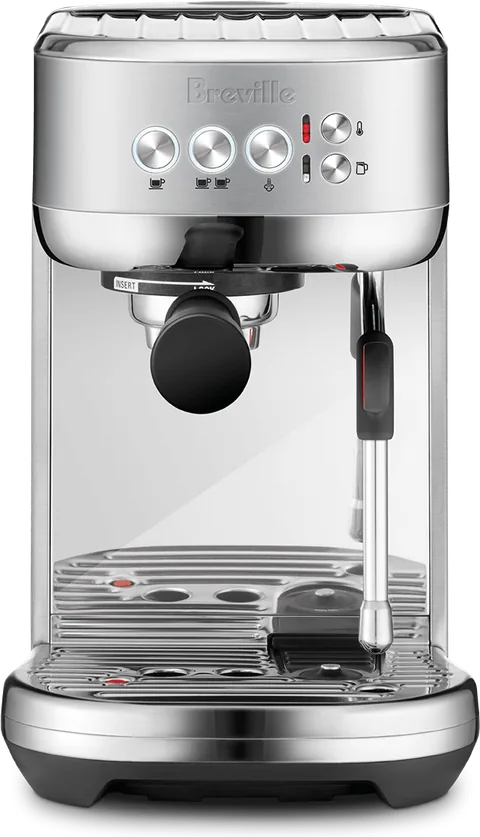
Best overall
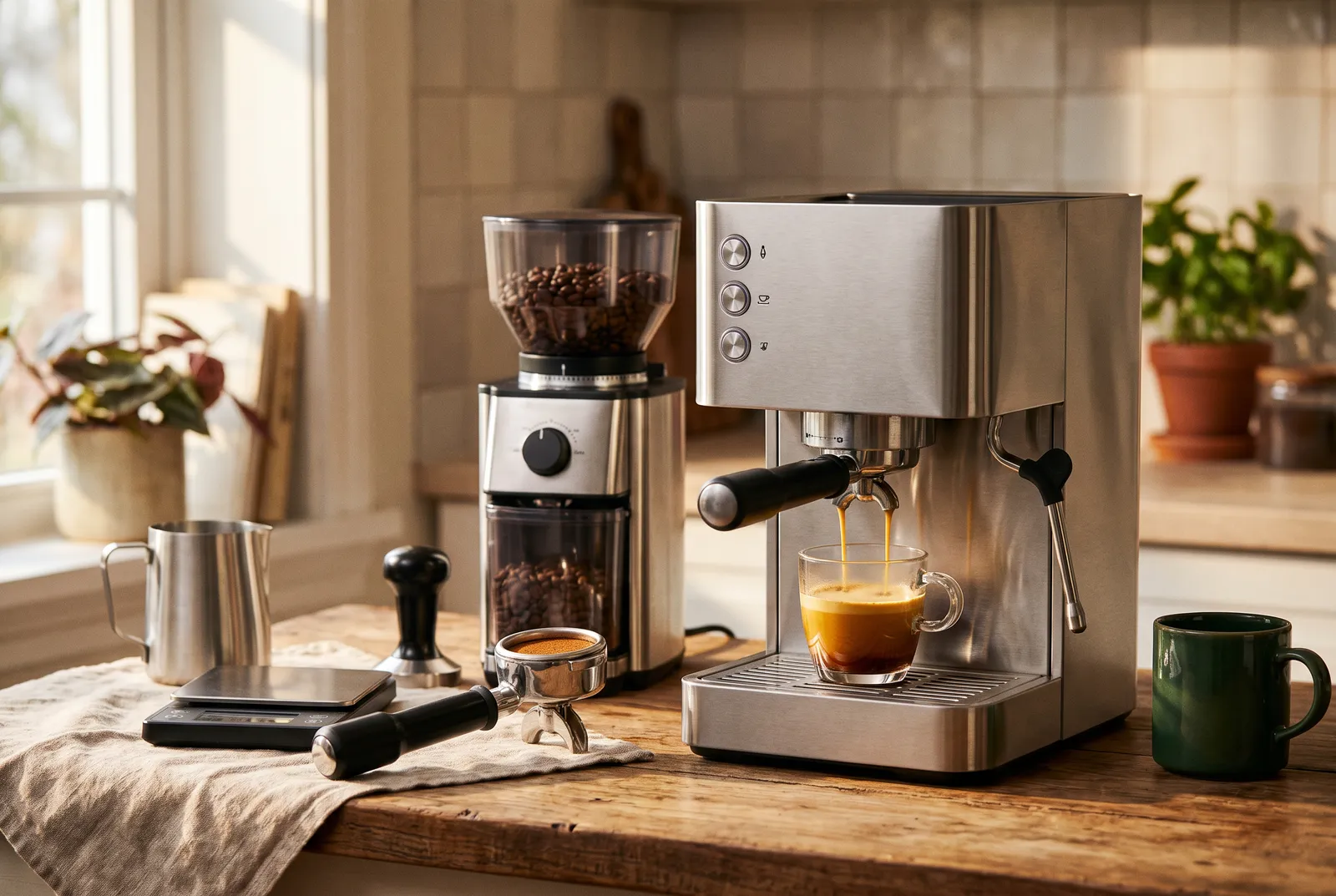
Breville
Bambino Plus
8.4Great
A compact 54 mm machine that heats in 3 seconds and textures milk hands-free; just add a good grinder.
Espresso Machines5$500
Manual, semi-automatic and super-automatic espresso machines scored on shot quality, reliability and workflow.
Top rated
An espresso machine pushes hot water through a compact bed of finely ground coffee to make a small, concentrated shot, usually in 20 to 30 seconds. Machines range from manual levers and semi-automatics, where you grind, dose and tamp yourself, to super-automatics that grind and brew at the press of a button. The right one depends on how hands-on you want to be and how many milk drinks you make.
Stability separates great machines from mediocre ones. Good machines hold brew temperature steady, often with PID control, and extract at around 9 bar; the 15- or 20-bar figures on boxes describe what the pump can reach, not the ideal brewing pressure. Check the heating setup too: single boilers make you wait between brewing and steaming, heat exchangers and dual boilers let you do both back to back, and fast-heating thermoblocks shorten the switch. A standard 58 mm portafilter makes baskets and tampers easy to upgrade. And budget for a capable grinder, which shapes your shots as much as the machine does.
Our Gear score weights performance 30%, build and reliability 20%, value 20%, ease of use 15%, and community love 15%. Performance reflects shot and milk quality from hands-on reviewers; build covers materials, longevity reports, warranty and serviceability.
All espresso machines
10 products
Breville
A compact 54 mm machine that heats in 3 seconds and textures milk hands-free; just add a good grinder.
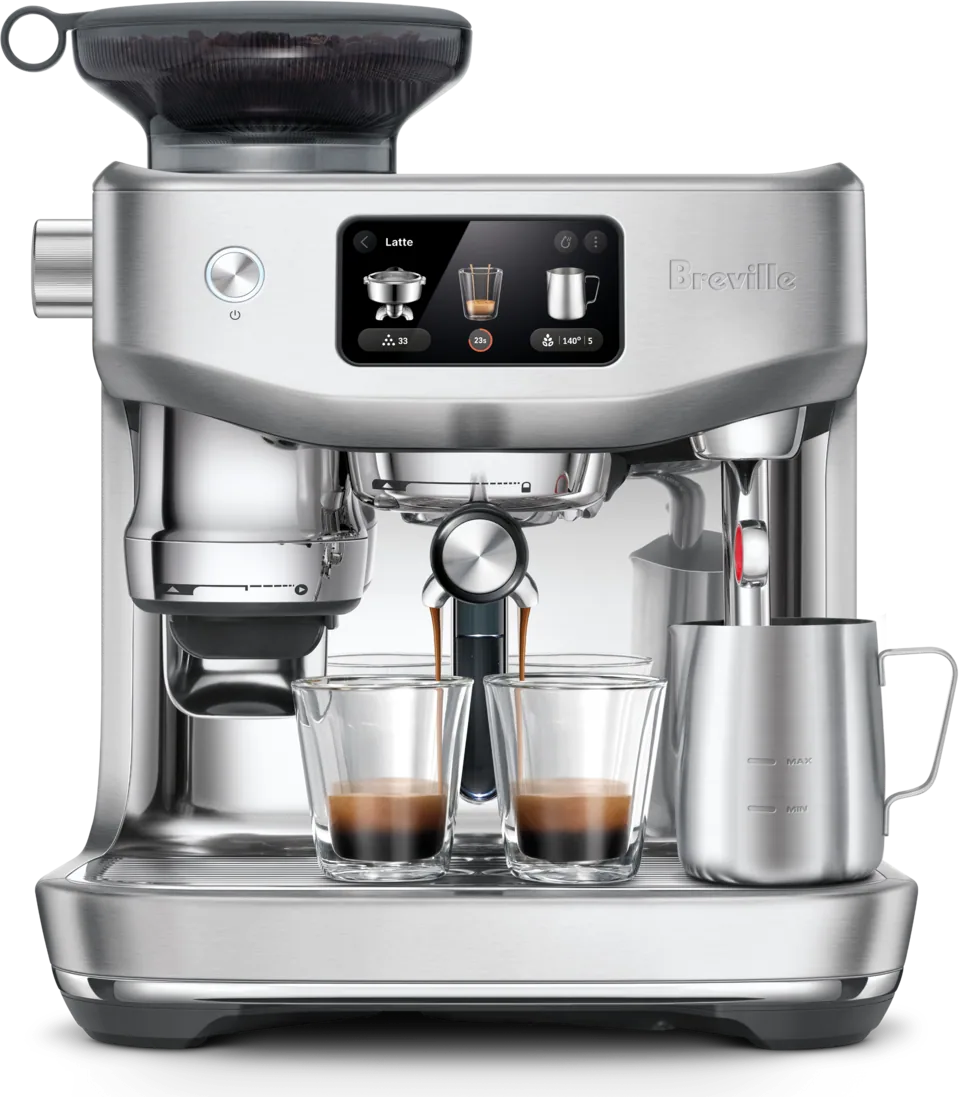
Breville
Auto grind, dose and tamp into a 58 mm portafilter plus hands-free milk and cold brew: barista-level results with little skill, at a price.
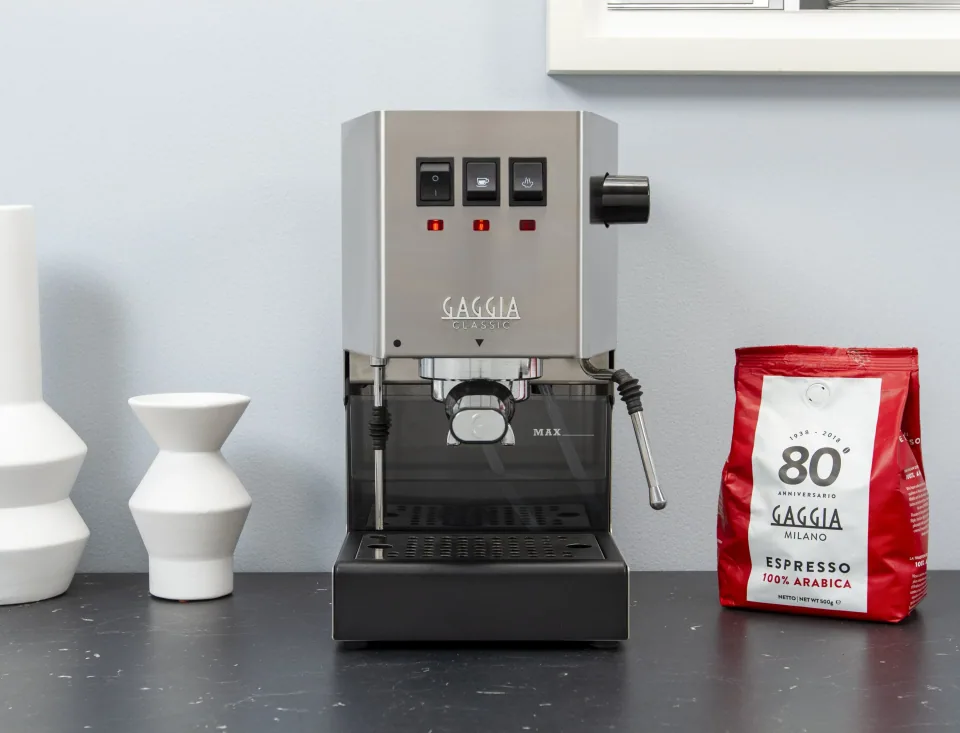
Gaggia
The tank-like Italian single boiler, now with a brass boiler: 58 mm, 9-bar and endlessly moddable, but no PID out of the box.
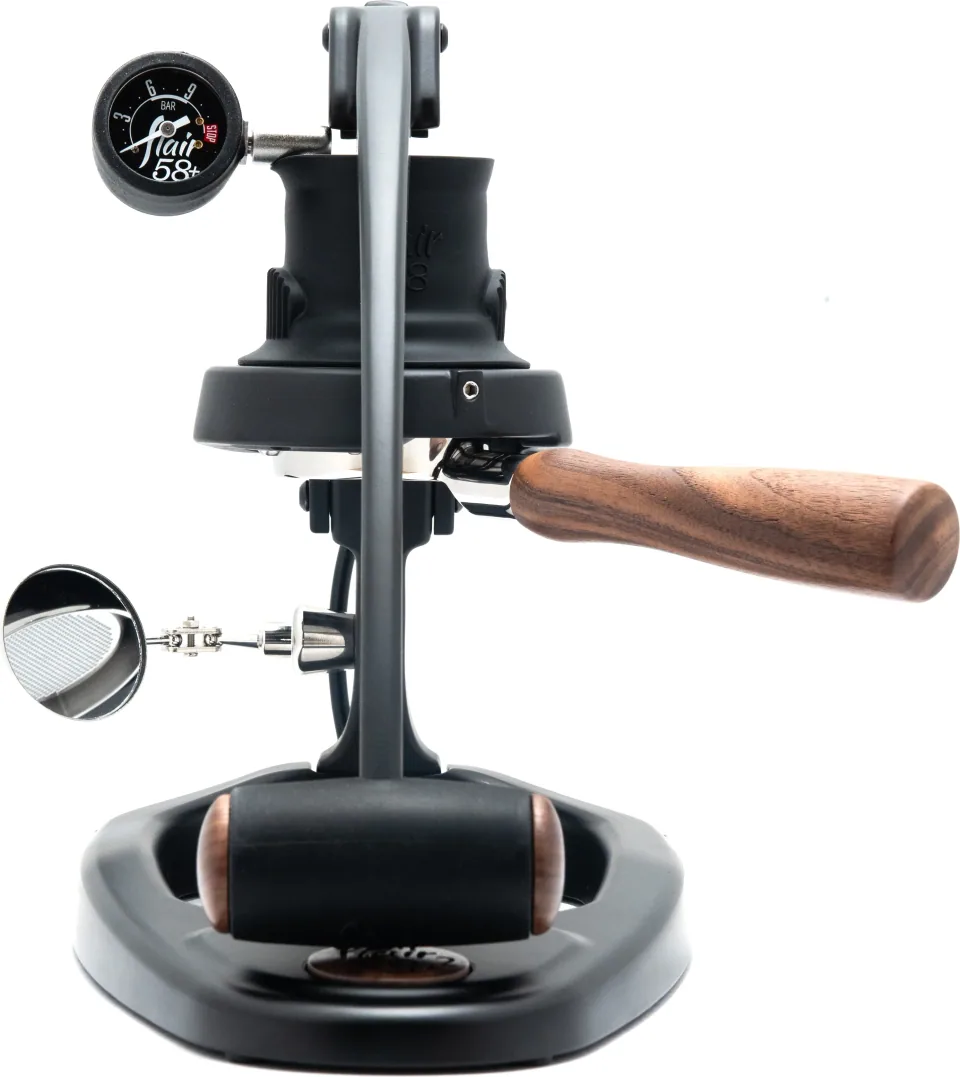
Flair Espresso
Direct-lever 58 mm espresso press with a built-in preheater and gauge: superb shots and full pressure control, with a steep learning curve.
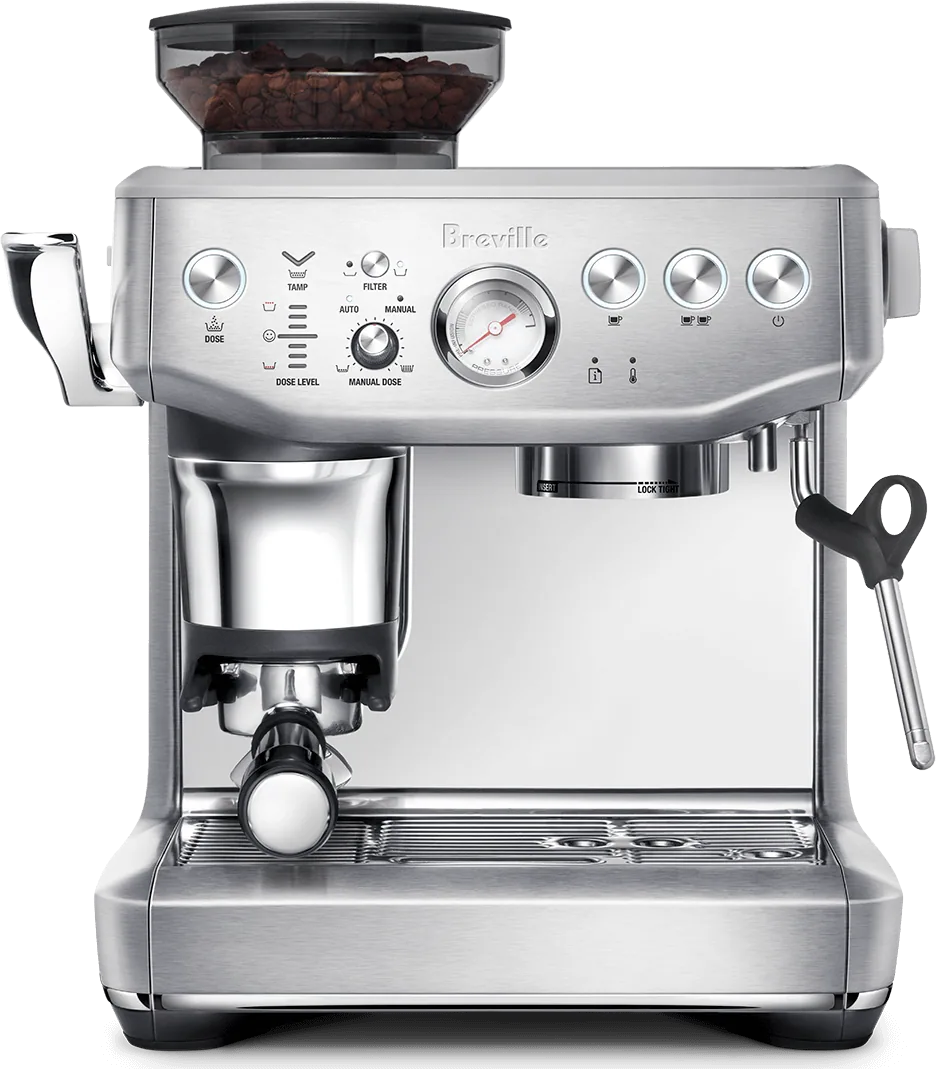
Breville
The Barista Express with assisted dosing and a 22 lb auto-tamp lever: same cup potential, far fewer beginner mistakes.
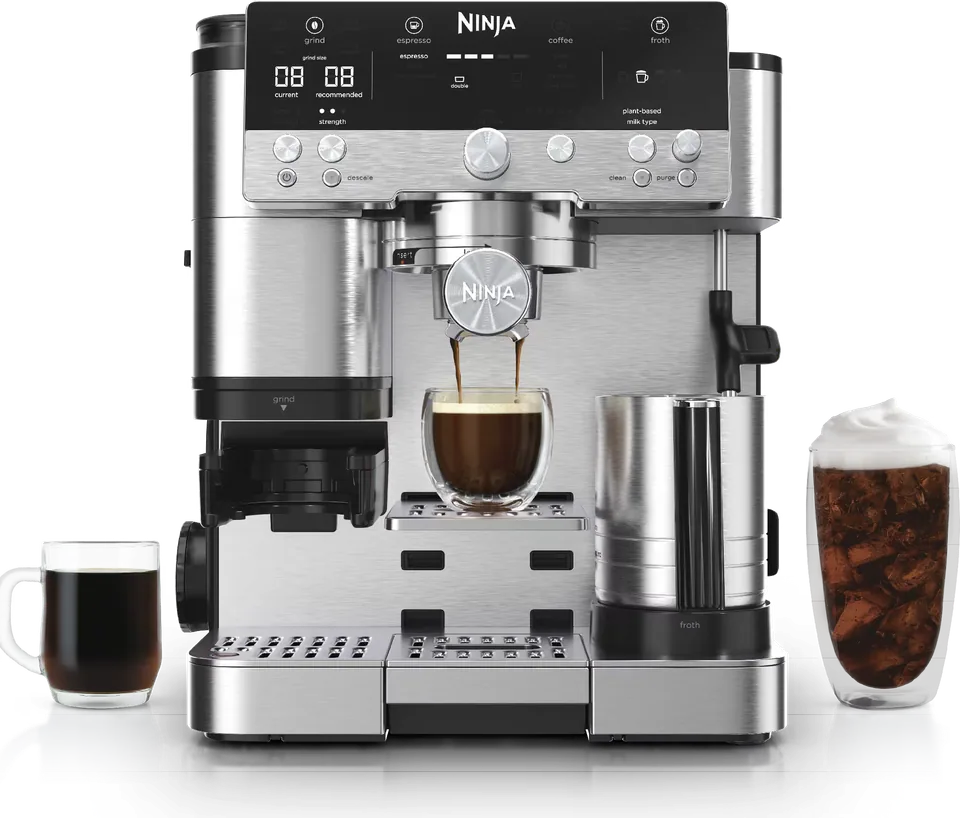
Ninja
Espresso, drip-style coffee and cold brew with a built-in scale, grind guidance and hands-free froth; easy, if not perfectly consistent.
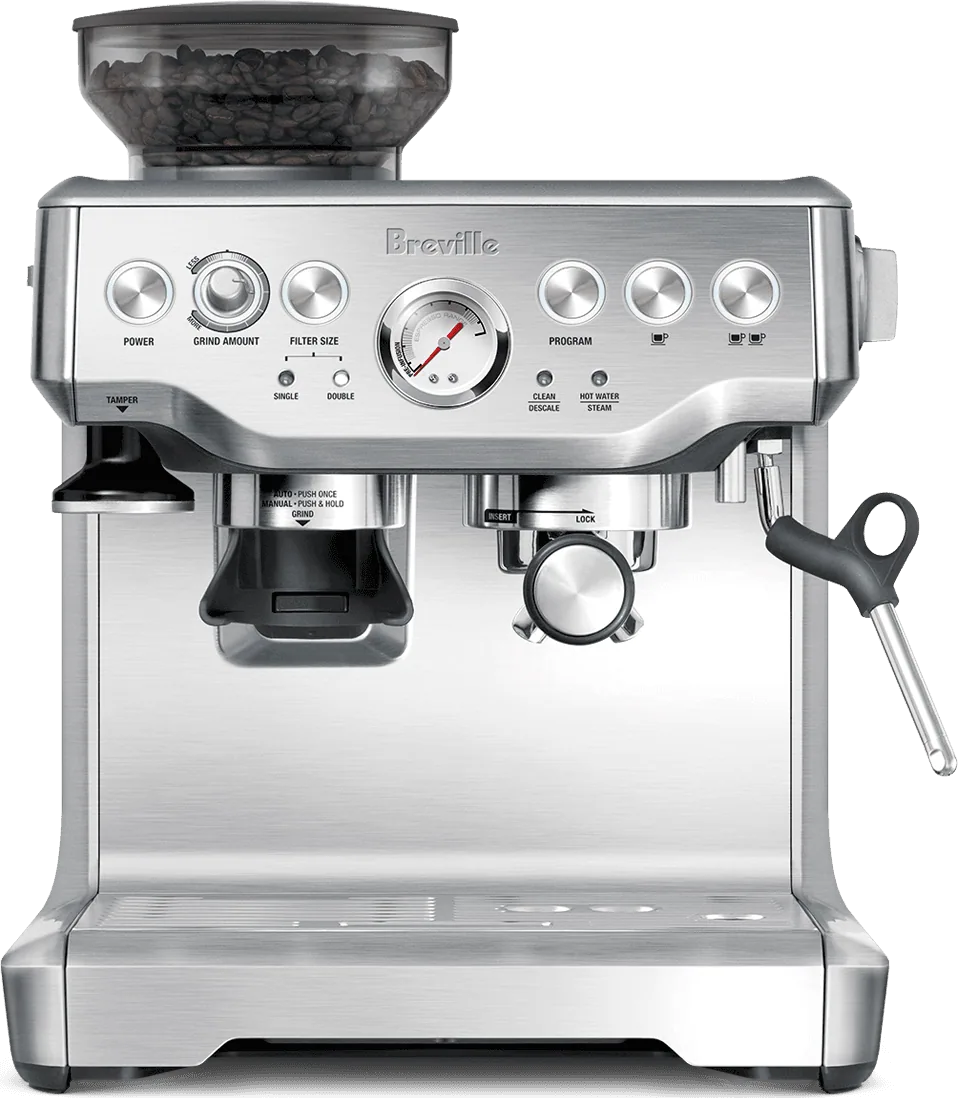
Breville
Breville's long-running all-in-one: built-in grinder, PID thermocoil and a forgiving steam wand, held back by a dated grinder.
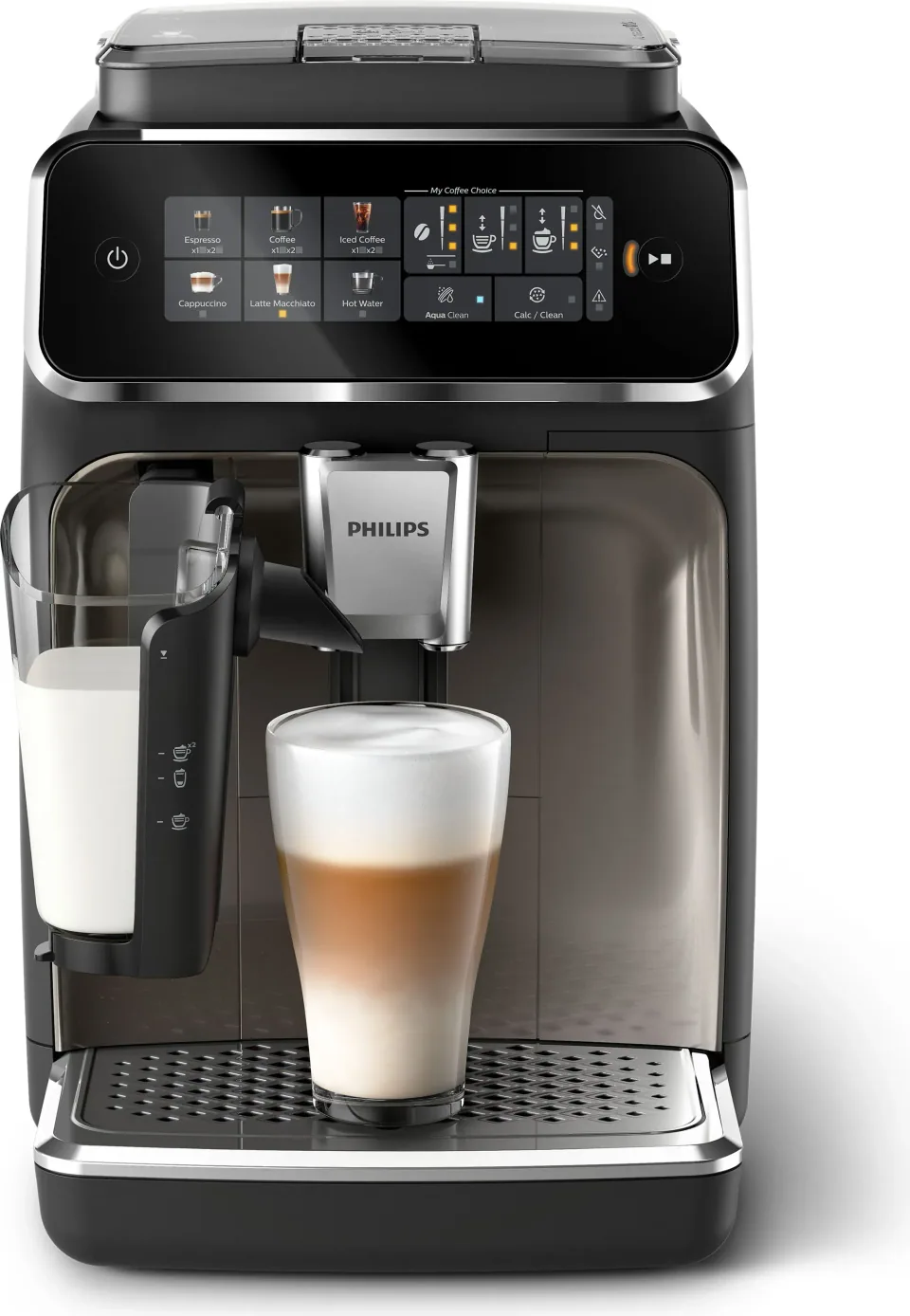
Philips
A quiet, easy-clean super-automatic with tubeless LatteGo milk and six one-touch drinks; espresso is light and the foam thick.
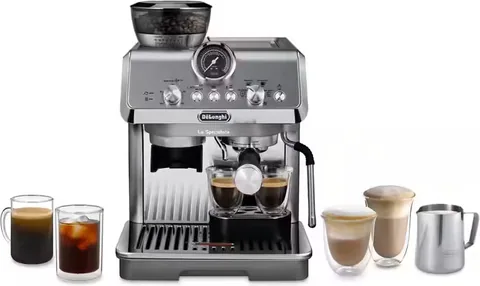
De'Longhi
Compact grinder-equipped espresso machine with 3 brew temperatures, a strong steam wand and a cold-brew mode reviewers found underwhelming.
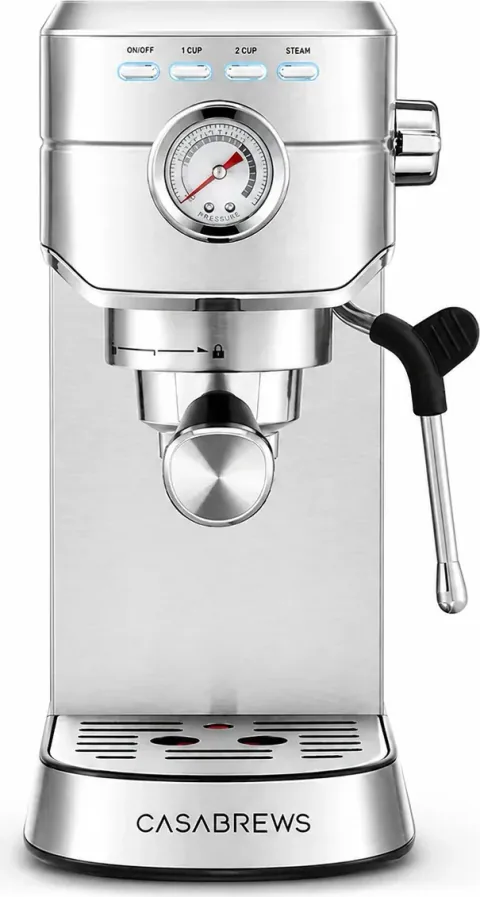
CASABREWS
The Amazon budget hit: a Dedica-style pump machine with a pressure gauge and real steam wand for about $120; build quality is the trade-off.
Buying guide
Semi-automatics give you the most control and usually the best shots for the money, if you'll learn to dial in. Super-automatics trade some flavor and adjustability for one-touch convenience, which suits households that mainly want milk drinks fast.
PID temperature control keeps brew water steady, which makes shots repeatable from one day to the next. Breville's Barista Express, for example, uses PID to deliver water at 200°F.
Espresso is typically extracted at around 9 bar, so a 15- or 20-bar pump rating is a maximum, not a target. Low-pressure pre-infusion, which wets the coffee before full pressure, helps it extract more evenly.
If you make lattes every day, steam power and the ability to brew and steam back to back matter more than extra brew features. Single boilers need a wait between the two; heat-exchanger and dual-boiler machines don't.
Espresso needs a fine, finely adjustable grind; Baratza notes that moving the burrs a few dozen microns can change shot time by several seconds. If your machine has no built-in grinder, set money aside for an espresso-capable burr grinder before stretching for a pricier machine.
Standard parts, available gaskets and a solid warranty keep a machine running for years. Descale as the manual directs, more often with hard water, and backflush machines that have a three-way solenoid valve.
Video reviews
FAQ
About 9 bar at the coffee is the long-standing target. Many home machines advertise 15 or 20 bar, but that's the pump's maximum; Breville, for example, describes a 9-bar extraction delivered by a 15-bar pump. More pressure isn't better beyond that point. Temperature stability, pre-infusion and a good grinder matter more for shot quality than a bigger number on the box.
A common starting point is 18 g of finely ground coffee producing about 36 g of espresso, a 1:2 ratio, in roughly 25–30 seconds. Baratza's dialing-in guide uses 18 g in and 36 g out over 25–32 seconds, and the National Coffee Association suggests 1:2 with 20–30 seconds of contact. Grind finer if the shot runs fast and tastes sour, coarser if it runs slow and tastes bitter.
It is if convenience matters most. Super-automatics grind, dose, tamp and brew for you, and many froth milk too, so you get consistent drinks with almost no learning curve. The trade-offs are less control over grind and dose, more internal parts to clean and maintain, and shots that usually fall a step short of a well-dialed semi-automatic with a good grinder. Check service options before buying.
The National Coffee Association, citing USDA data, puts a 1 oz single shot at about 63 mg of caffeine, though the real figure depends on the beans and the dose. A double shot roughly doubles that, so a latte made with a double carries around 125 mg. Blends that include robusta, common in Italian-style espresso, carry more.
Community
No discussions yet.
Own espresso machines? Ask a question or share your recipe — you’ll be the first.