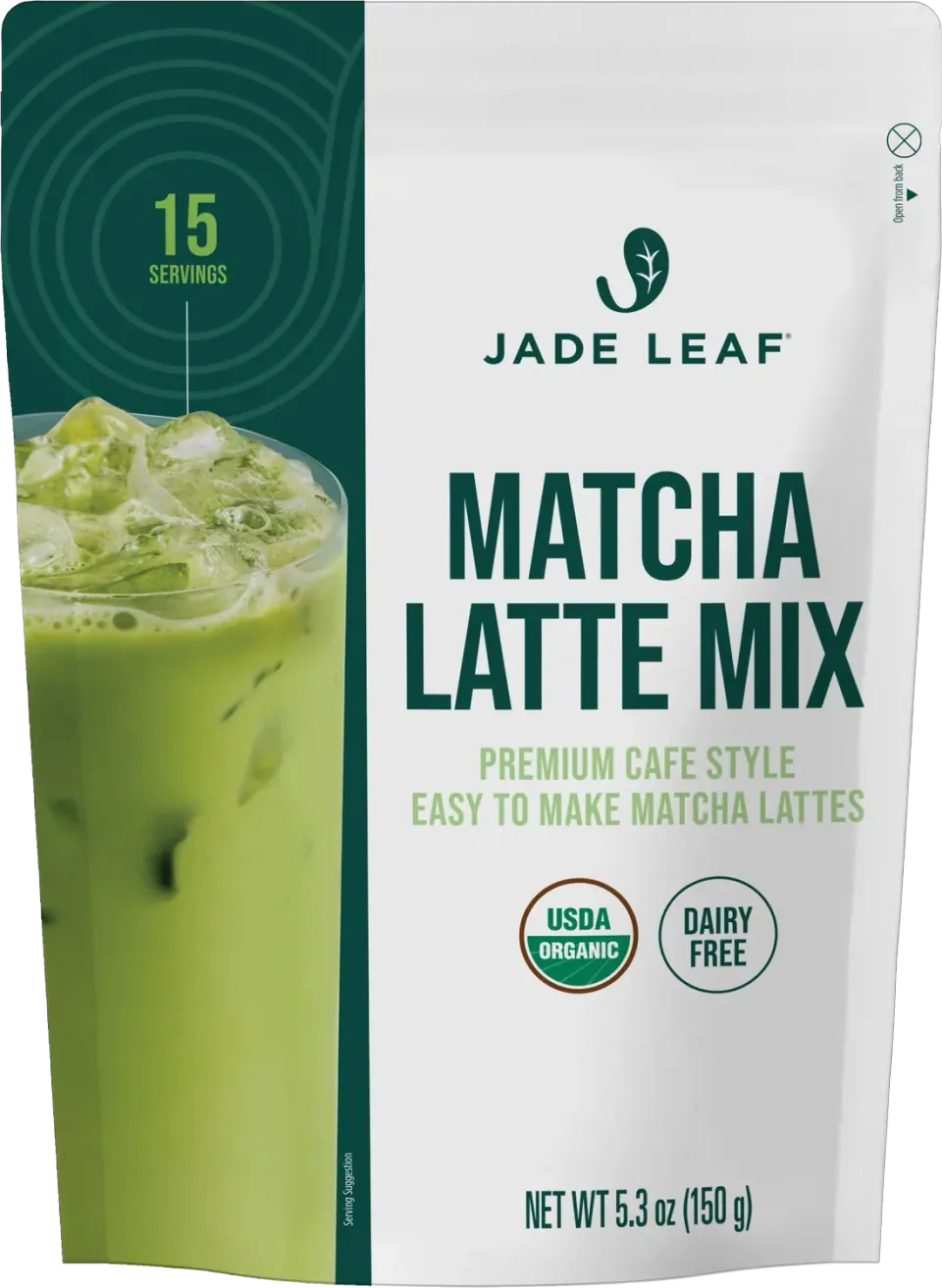
Best overall Trending
Jade Leaf Matcha
Organic Cafe Style Sweetened Matcha Latte Mix - Original
7.6Good
Two-ingredient organic 'sweet matcha' for café-style lattes at about 73¢ a cup; 9 g of added sugar per serving.
Latte blend1$0.73 / serving
Matcha latte mixes, sweetened blends and bottled matcha, scored on real matcha content, added sugar and taste.
Top rated
This category covers matcha you don't whisk from scratch: latte powders, sweetened blends and canned or bottled matcha drinks. Quality varies more than packaging suggests. At one end are mixes that are mostly matcha, or matcha plus milk powder, with little or no sugar; at the other are blends where sugar is the main ingredient and matcha is closer to a flavoring.
Start with the ingredient list, which runs from most to least by weight, and the nutrition panel. If sugar comes before matcha, you're buying a sweetened drink, and one serving can take a large share of the FDA's 50 g daily value for added sugars. For a benchmark, Ippodo's café-style latte uses 3 g of matcha whisked into 90 ml of 80°C water before the milk goes in, so mixes that state grams of matcha per serving are easy to compare. Good bottled drinks list tea, water and milk near the top, state caffeine, and carry a clear best-by date.
Our Cup score weights flavor 30%, quality and freshness 20%, value 20%, sourcing and transparency 15%, and community love 15%. For matcha drinks, quality includes matcha content and ingredients, value is price per serving, and transparency rewards brands that name the matcha's origin and state sugar and caffeine clearly.
All matcha drinks
4 products
Jade Leaf Matcha
Two-ingredient organic 'sweet matcha' for café-style lattes at about 73¢ a cup; 9 g of added sugar per serving.
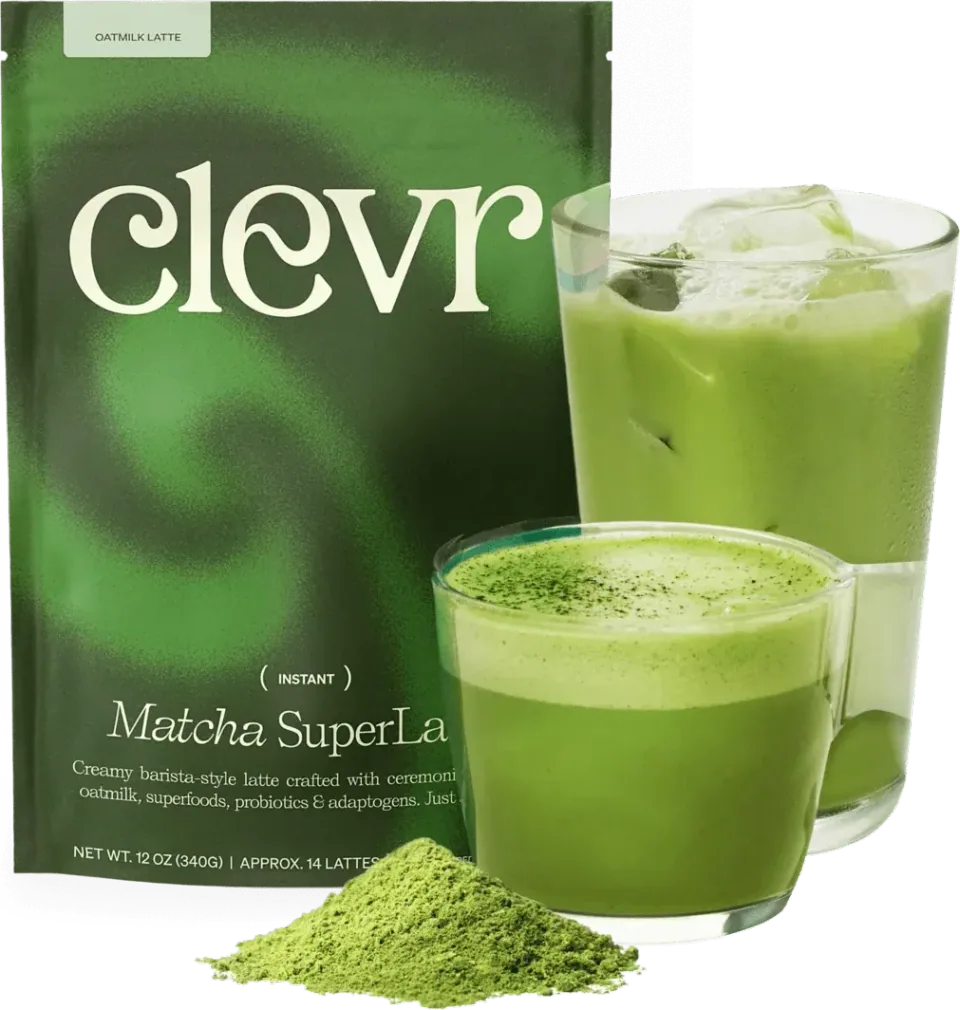
Clevr Blends
Just-add-water functional matcha latte with oat-coconut creamer, adaptogens and 2 g sugar; creamy and coconutty, light on matcha.
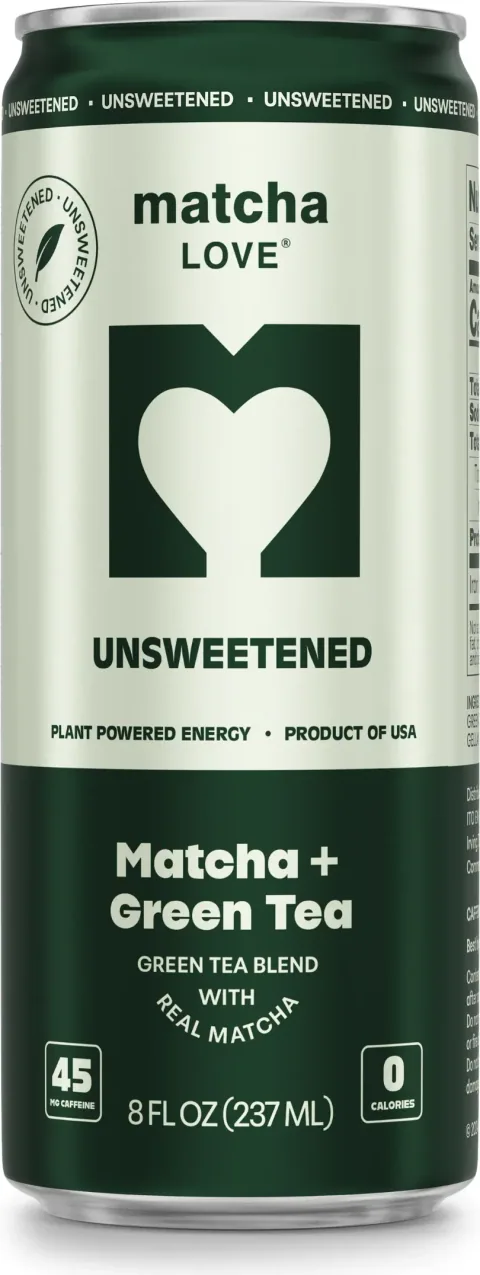
ITO EN (matcha LOVE)
Zero-sugar canned matcha and green tea with 45 mg caffeine: a clean grab-and-go option, with almost no independent reviews yet.
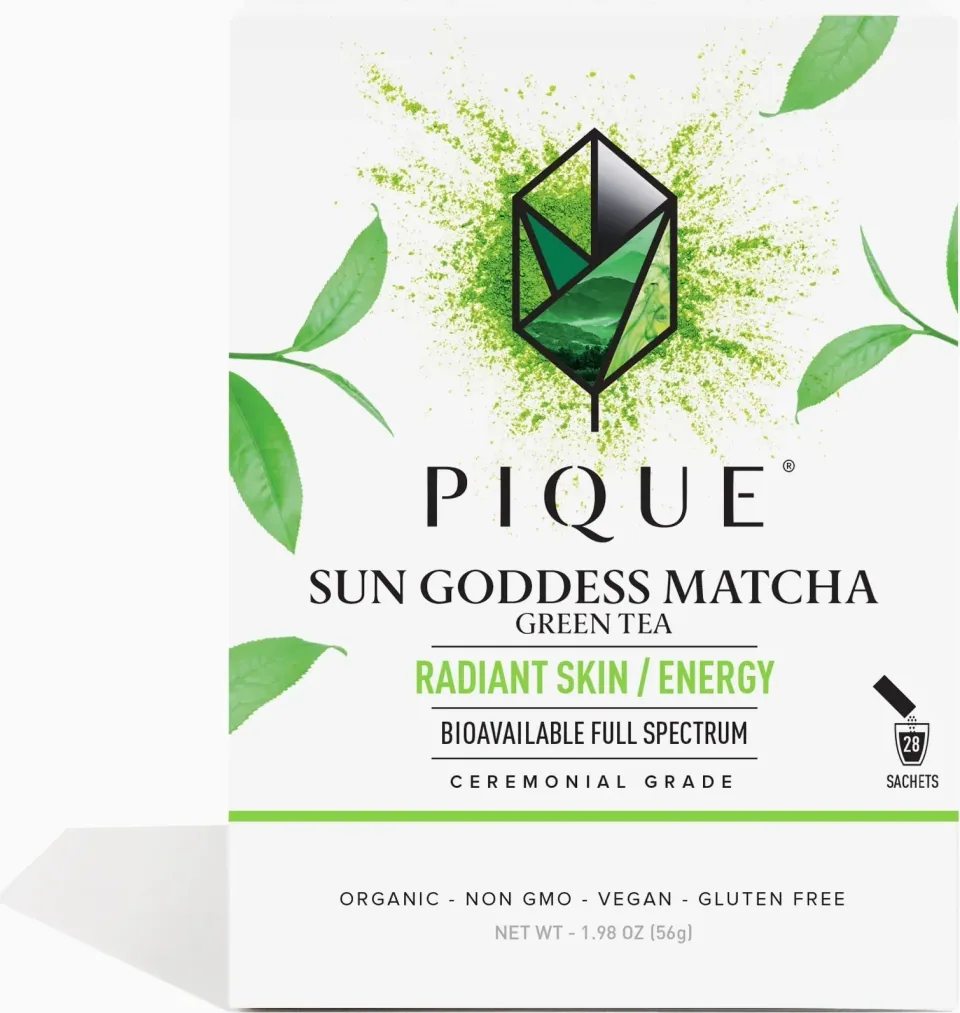
Pique
Purity-screened instant matcha sticks you just shake into water; convenient and heavily marketed, but reviewers find it thin and astringent.
Buying guide
Matcha or milk near the top of the list is a good sign. Sugar, dextrose or maltodextrin first means most of what you're paying for is sweetener or filler.
Some brands list it, but not all do. Ippodo's latte recipe uses 3 g of matcha per drink, a useful benchmark when a brand does state the amount.
The FDA's daily value for added sugars is 50 g, and the American Heart Association suggests no more than about 6 teaspoons a day for most women and 9 for most men. Unsweetened mixes let you sweeten to taste.
Pure matcha and unsweetened mixes work with any milk you like. Mixes that include milk powder only need water, which suits travel and offices, and plant-milk versions should say which milk they use.
Ready-to-drink matcha varies in caffeine, and its color and aroma fade with time. Pick bottles that state caffeine per serving and show a clear best-by date, and refrigerate after opening.
Divide by servings rather than bag weight, since sweetened mixes use more powder per drink. Then compare with making the drink from plain matcha and your own milk.
Video reviews
FAQ
It depends on the mix. Many are sweetened, and some list sugar first, which means sugar is the largest ingredient by weight. Check added sugars per serving against the FDA's 50 g daily value. Unsweetened mixes and plain matcha let you control sweetness yourself. Matcha is green tea, so these drinks also contain caffeine.
Ippodo's latte recipe uses 3 g of matcha whisked into 90 ml of water at 80°C, then milk to taste. That gives you a benchmark when a brand lists matcha per serving. If a mix doesn't state the amount and sugar appears before matcha in the ingredient list, expect a sweet, mild drink rather than a tea-forward one.
It depends on how much matcha is in the drink; more powder means more caffeine. Bottled drinks and mixes vary, so look for a stated milligram figure on the label or brand site. The FDA cites 400 mg a day as an amount not generally associated with negative effects for most healthy adults, so count matcha drinks toward that total along with coffee and tea.
Yes. Matcha and most mixes dissolve best if you first whisk or shake them with a little water into a smooth paste, then add cold milk and ice. Ippodo's latte method whisks 3 g of matcha into 90 ml of water before adding milk. A handheld frother or a shaker bottle helps break up clumps in cold liquid.
Community
No discussions yet.
Own matcha lattes & drinks? Ask a question or share your recipe — you’ll be the first.