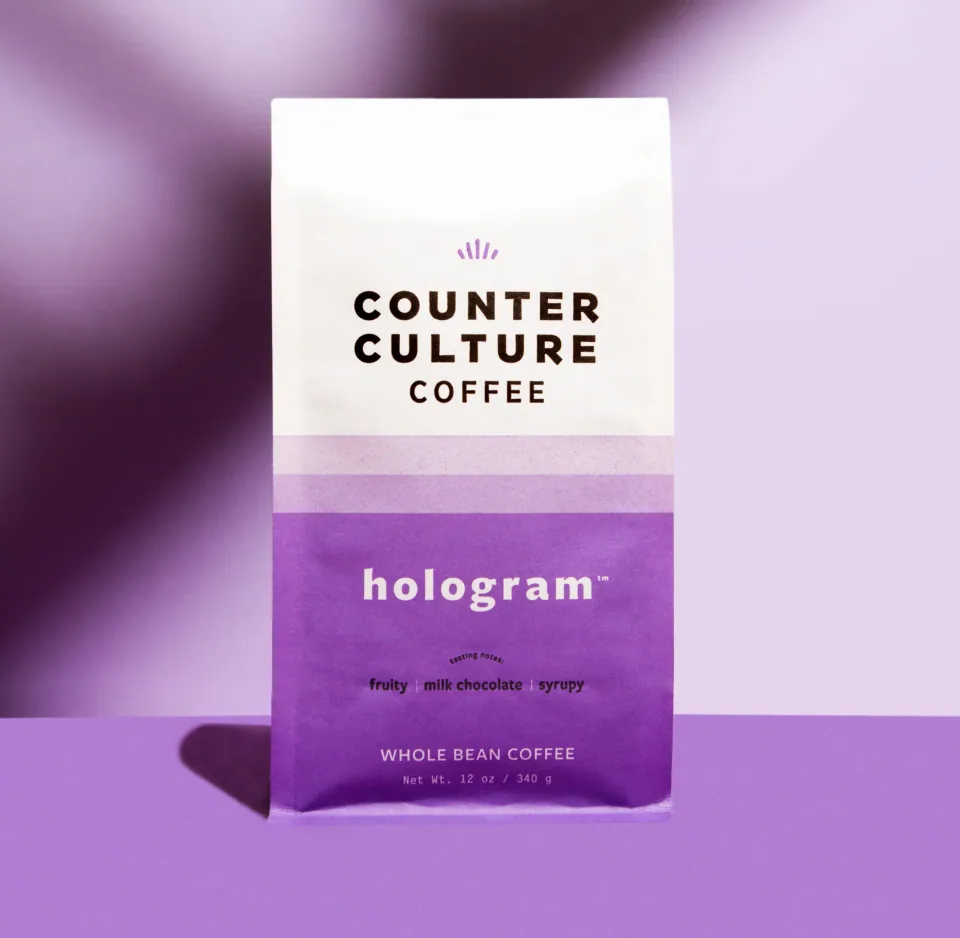
Best overall
Counter Culture Coffee
Hologram
8.5Great
A fruity, chocolatey medium-roast blend of washed and natural coffees with rare price transparency, sold widely in grocery stores.
4$0.88 / cup
Roast dates, origins and real cup quality: whole-bean coffee scored on flavor, freshness, value and sourcing.
Top rated
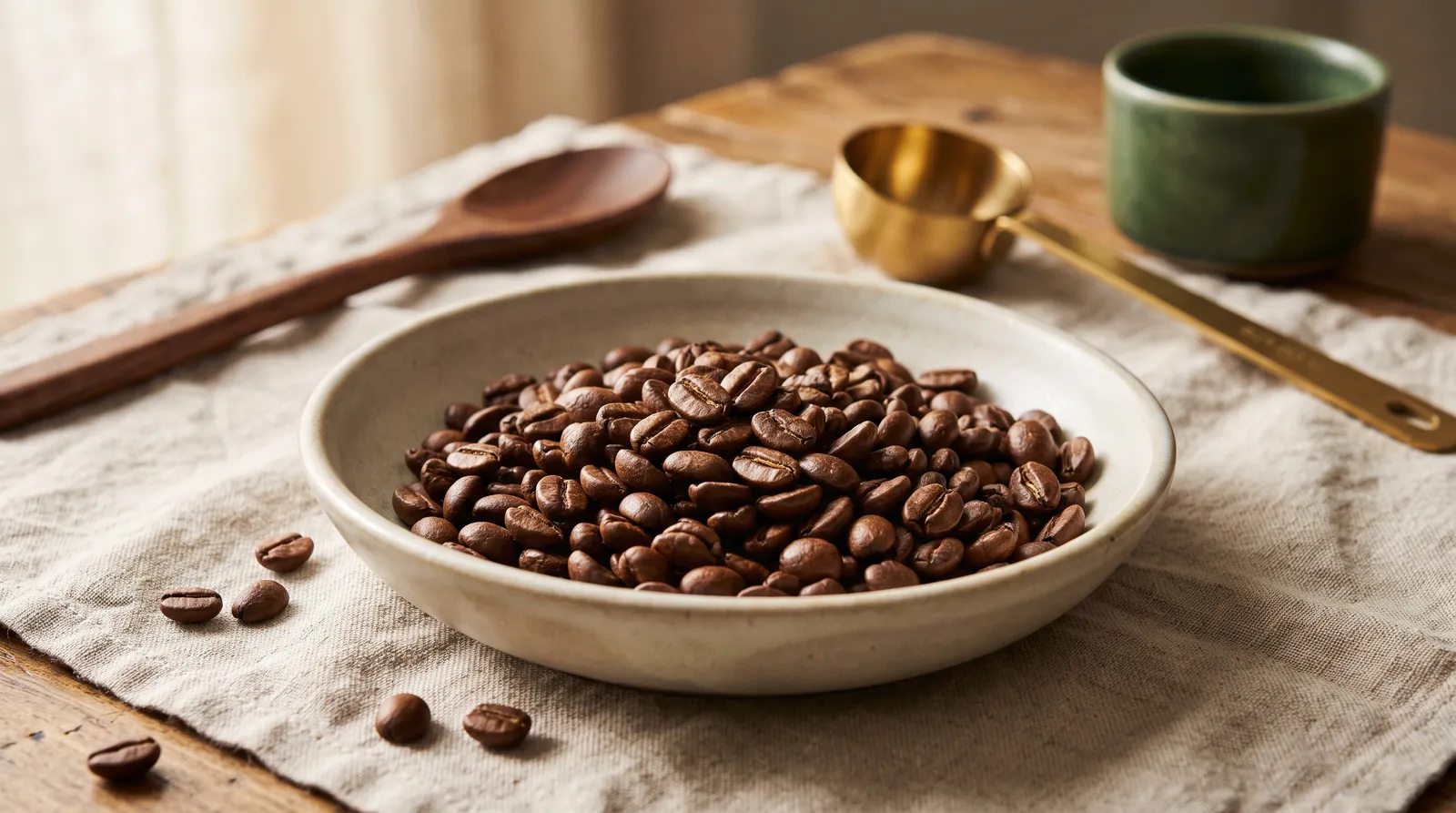
Whole bean coffee is roasted coffee sold before grinding, from single-origin lots that taste of one farm or region to blends built for espresso and milk drinks. Buying whole beans and grinding just before you brew is the simplest upgrade most kitchens can make: ground coffee loses aroma faster, and a burr grinder lets you match the grind to your brewer.
Most of what separates a great bag from a mediocre one is printed on it. Look for a roast date rather than only a best-by date, a one-way valve, and specifics: country and region, producer or co-op, variety, process (washed, natural, honey) and roast level. Lighter roasts keep more of the origin's character; darker roasts trade it for roast flavor and body. Plan to brew within about three weeks of the roast date, and start with 15–18 g of coffee per 8 oz (240 ml) of water, a 1:13 to 1:16 ratio, at roughly 195–205°F.
Our Cup score weights flavor 30%, quality and freshness 20%, value 20%, sourcing and transparency 15%, and community love 15%. For whole beans, freshness means roast-date practices and packaging, value is price per brewed cup rather than per bag, and sourcing rewards roasters who disclose origins, hold certifications or publish lab testing.
All whole bean
16 products
Counter Culture Coffee
A fruity, chocolatey medium-roast blend of washed and natural coffees with rare price transparency, sold widely in grocery stores.
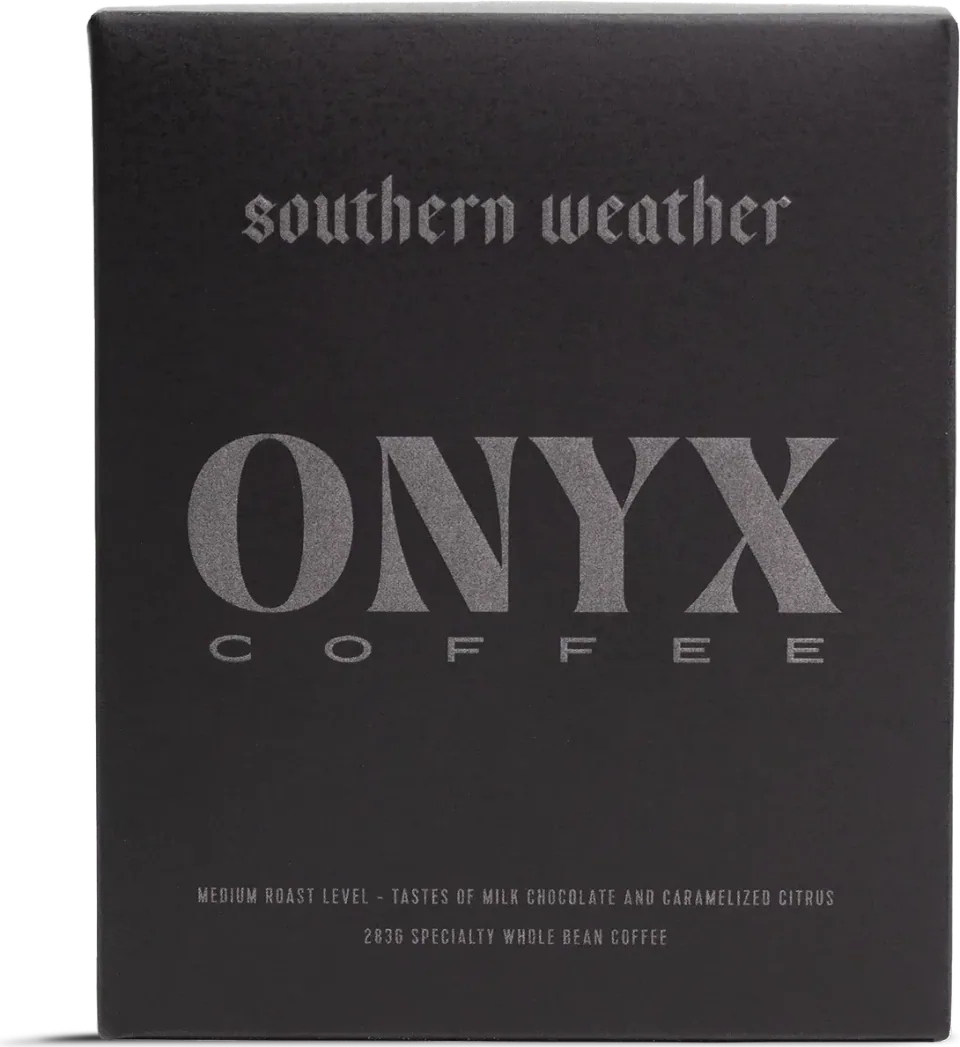
Onyx Coffee Lab
Onyx's house filter blend: milk chocolate and plum sweetness with a juicy citrus finish, roasted to order in Arkansas.
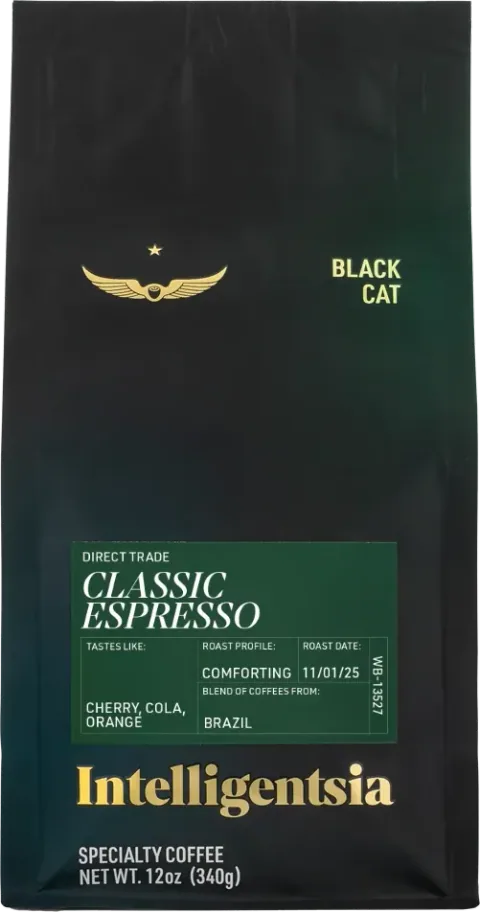
Intelligentsia Coffee
Intelligentsia's flagship espresso since 1995: syrupy and bright with cherry, cola and orange, roasted to order in Chicago.
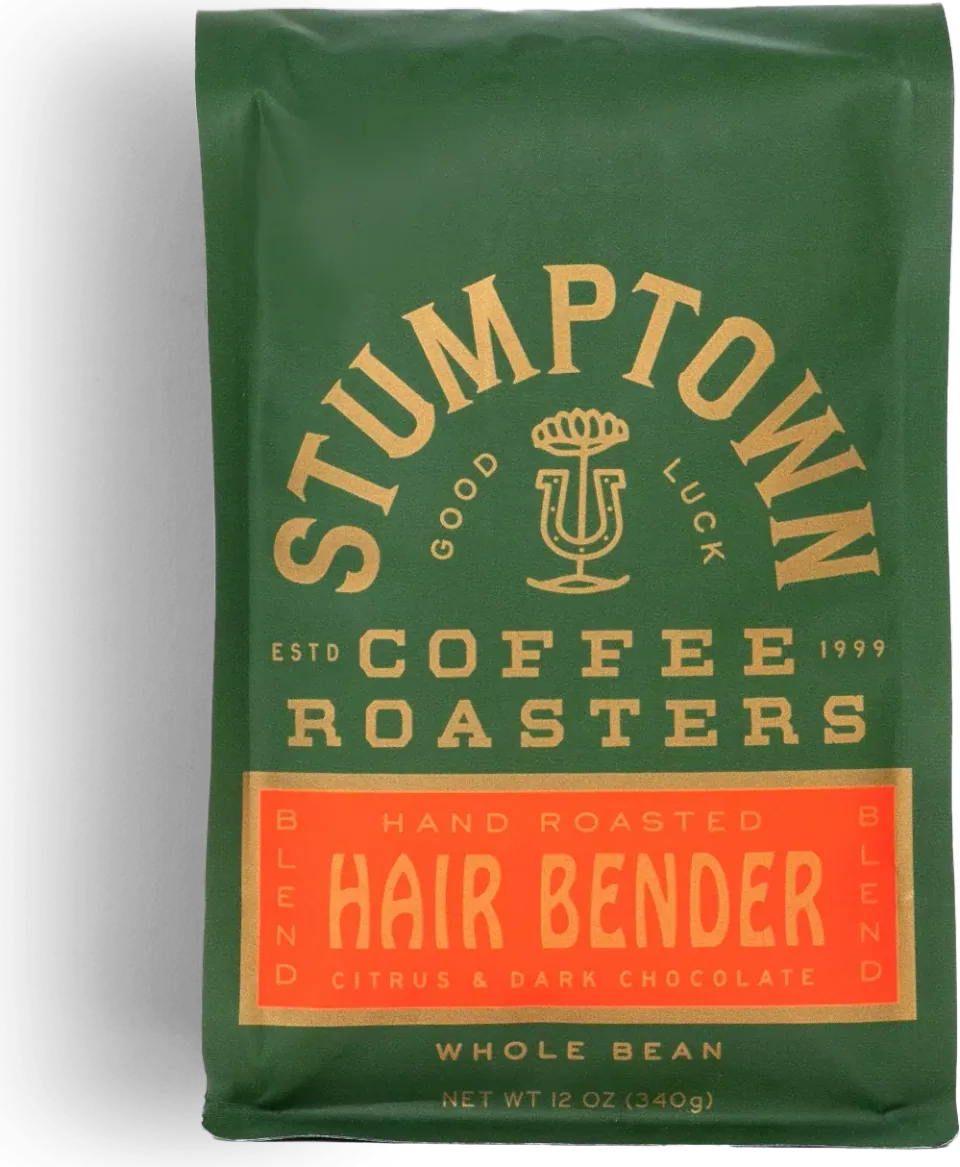
Stumptown Coffee Roasters
Stumptown's original café espresso blend: citrus, dark chocolate and raisin, forgiving enough to work in nearly any brewer.
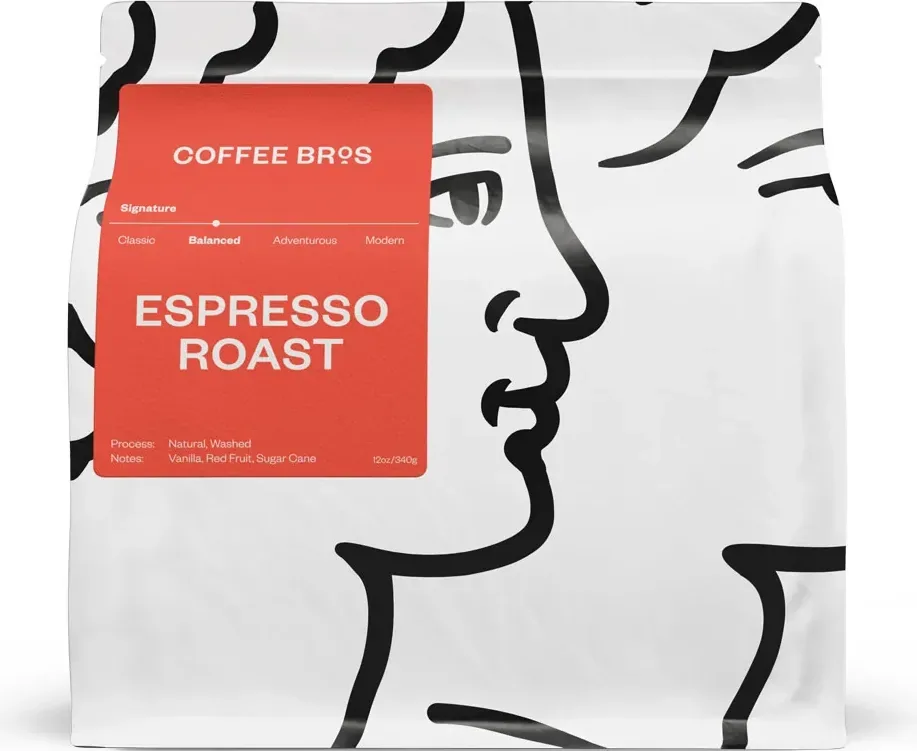
Coffee Bros.
A sweet, medium-roast Ethiopia–Colombia espresso blend with strawberry, sugar cane and vanilla notes and a published mycotoxin test.
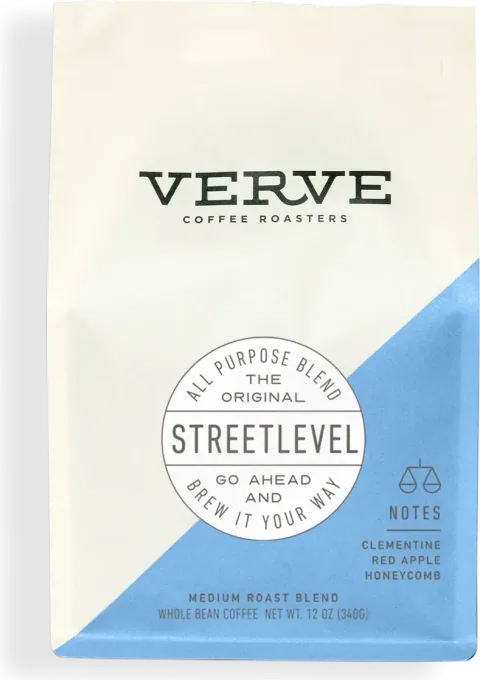
Verve Coffee Roasters
Verve's flagship all-purpose blend of washed Latin American coffees: clementine, red apple and honeycomb, roasted to order.
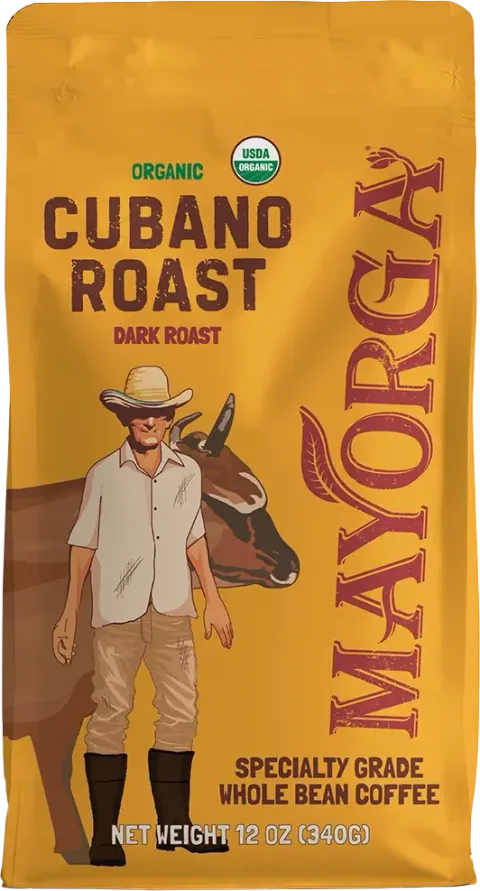
Mayorga Coffee
Mayorga's best-selling organic Cuban-style dark roast: bold and smooth with vanilla and syrupy smoke, at a low price per pound.
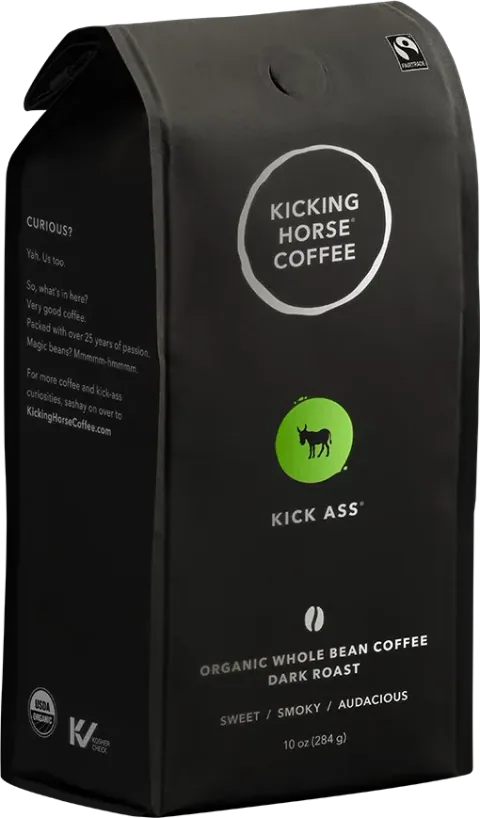
Kicking Horse Coffee
Kicking Horse's bold, smoky organic dark roast: chocolate malt, molasses and licorice from Fairtrade co-op beans.
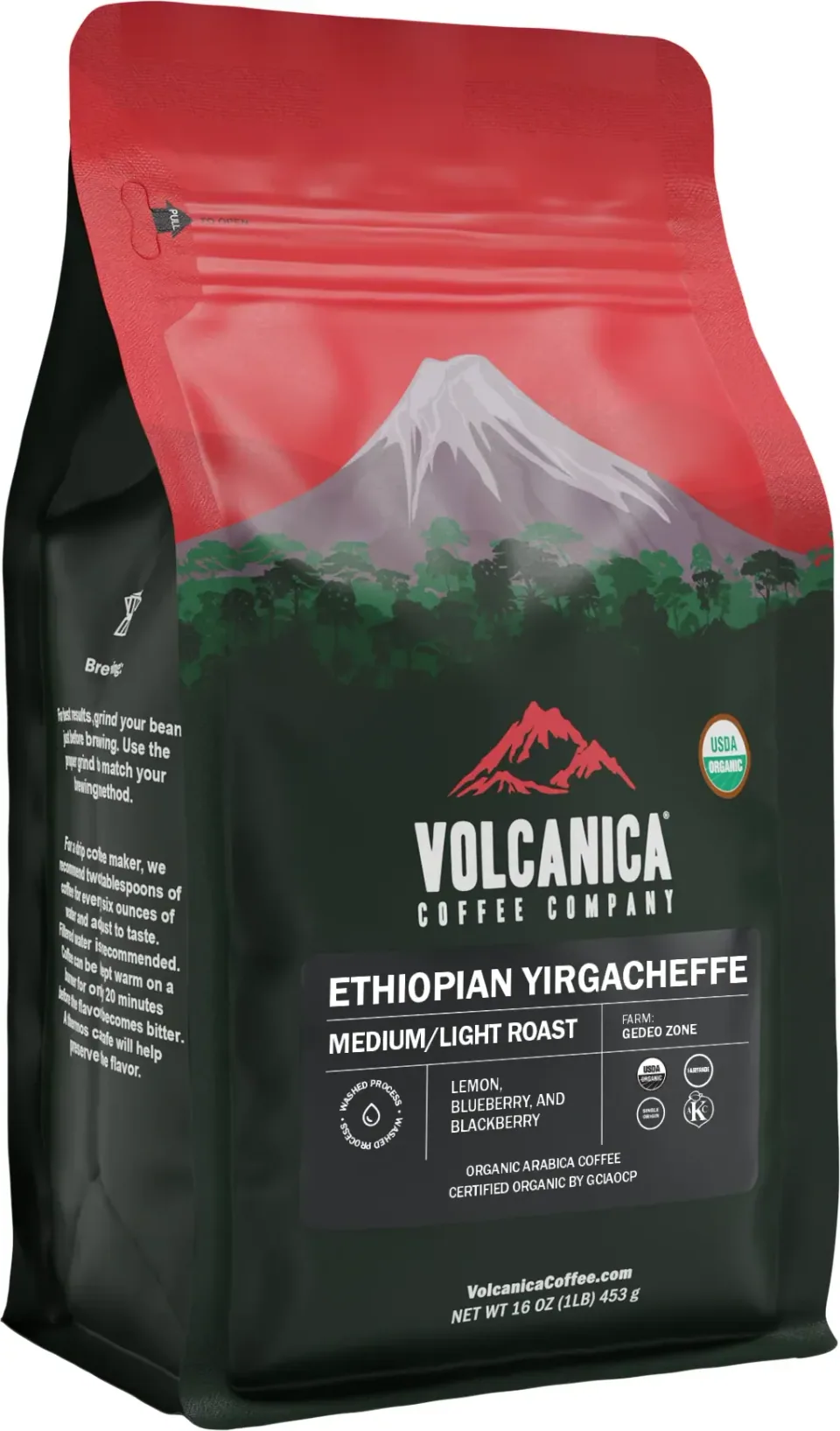
Volcanica Coffee
An organic, Fairtrade washed Yirgacheffe with lemon, blueberry and blackberry notes, sold by the pound at a mid-range price.
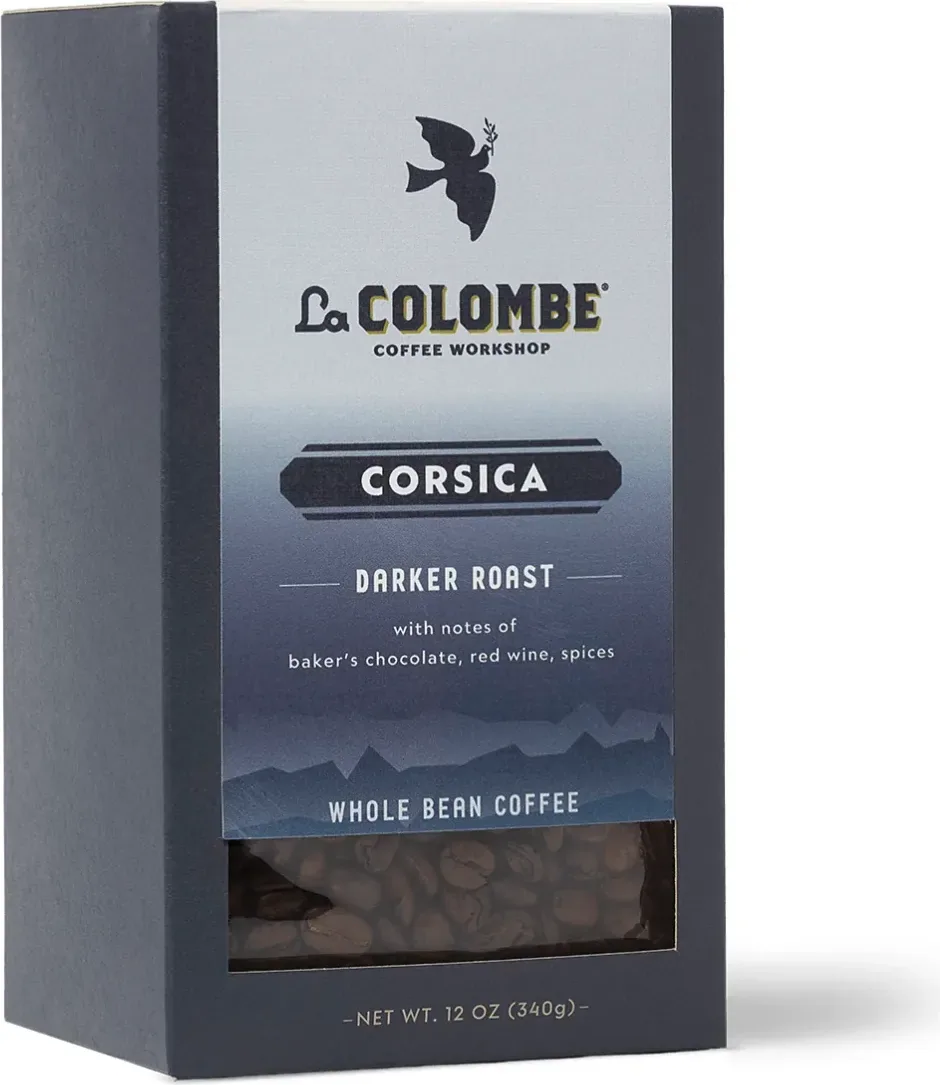
La Colombe Coffee Roasters
La Colombe's signature dark-roast drip blend for 30+ years: baker's chocolate, red wine and spice from Latin American arabica.
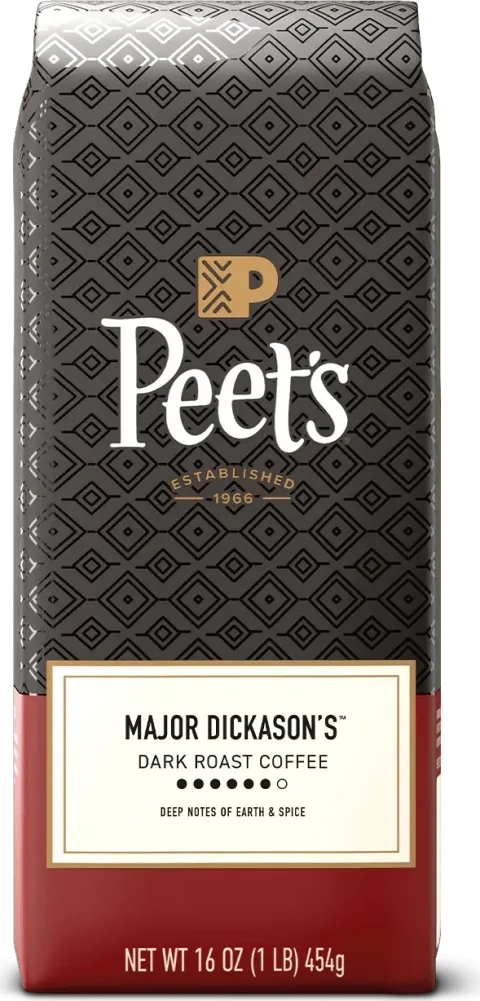
Peet's Coffee
Peet's all-time best seller: a full-bodied, earthy-spicy dark roast of Latin American and Indo-Pacific beans.
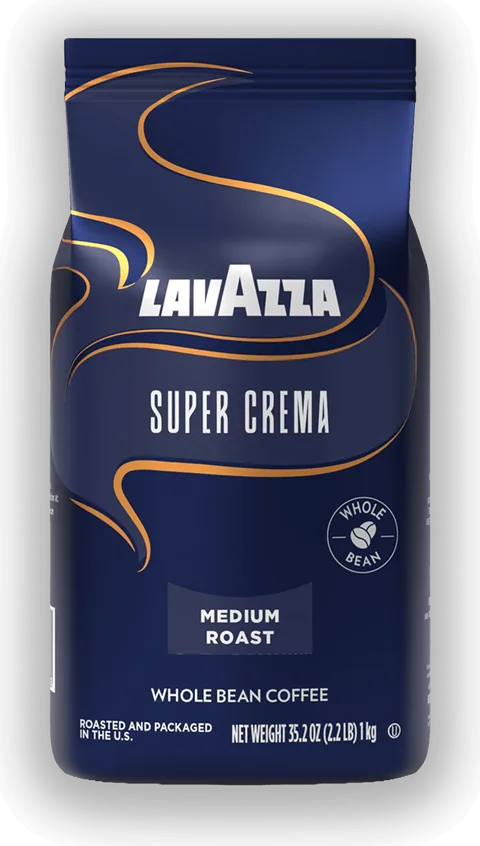
Lavazza
Amazon's best-selling espresso bean: a mild, nutty Arabica–Robusta blend with heavy crema and a very low price per shot.
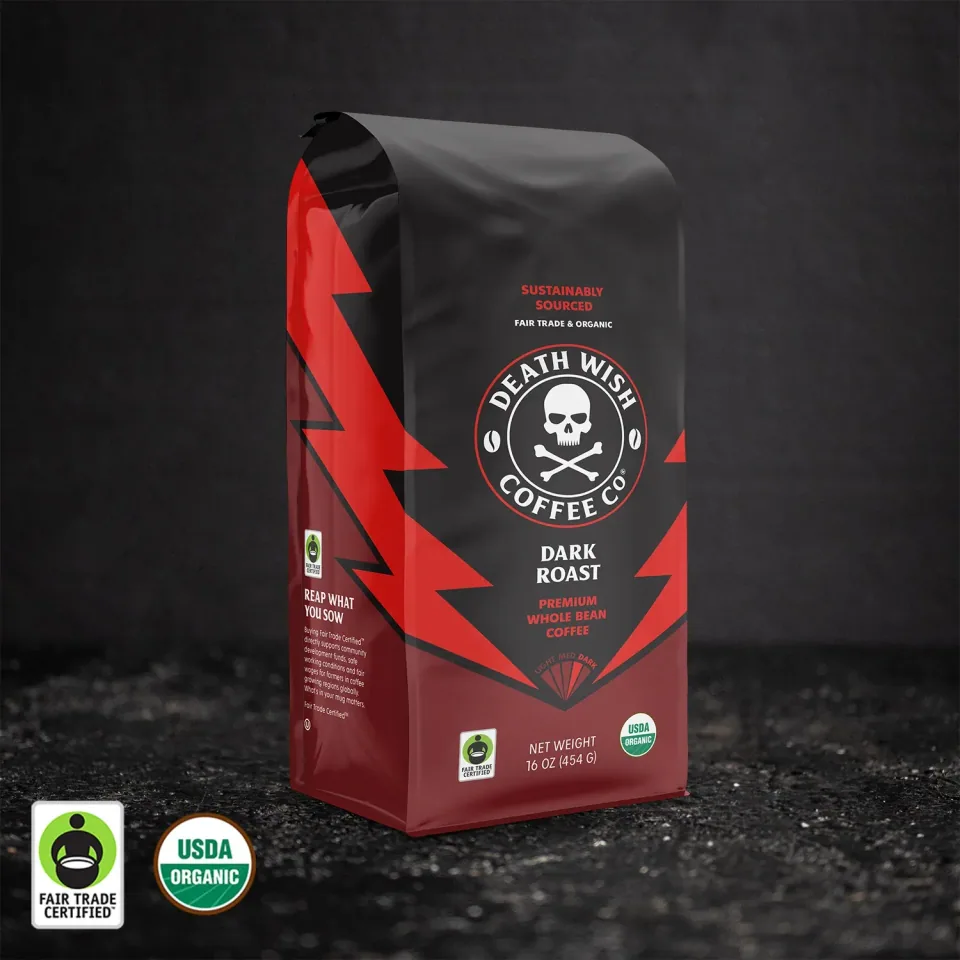
Death Wish Coffee
An organic, Fair Trade arabica–robusta dark roast with baker's chocolate notes and about 180 mg of caffeine per 6 oz cup.
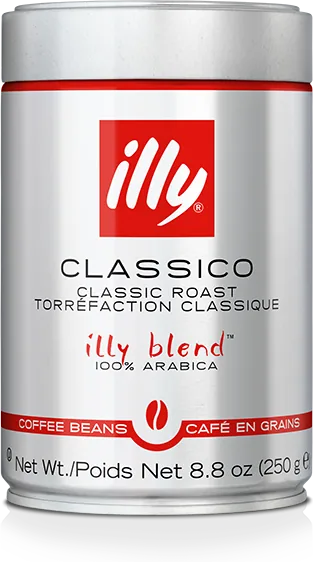
illy
A smooth 100% Arabica Italian espresso blend with caramel, orange blossom and jasmine, sealed in a nitrogen-pressurized tin.
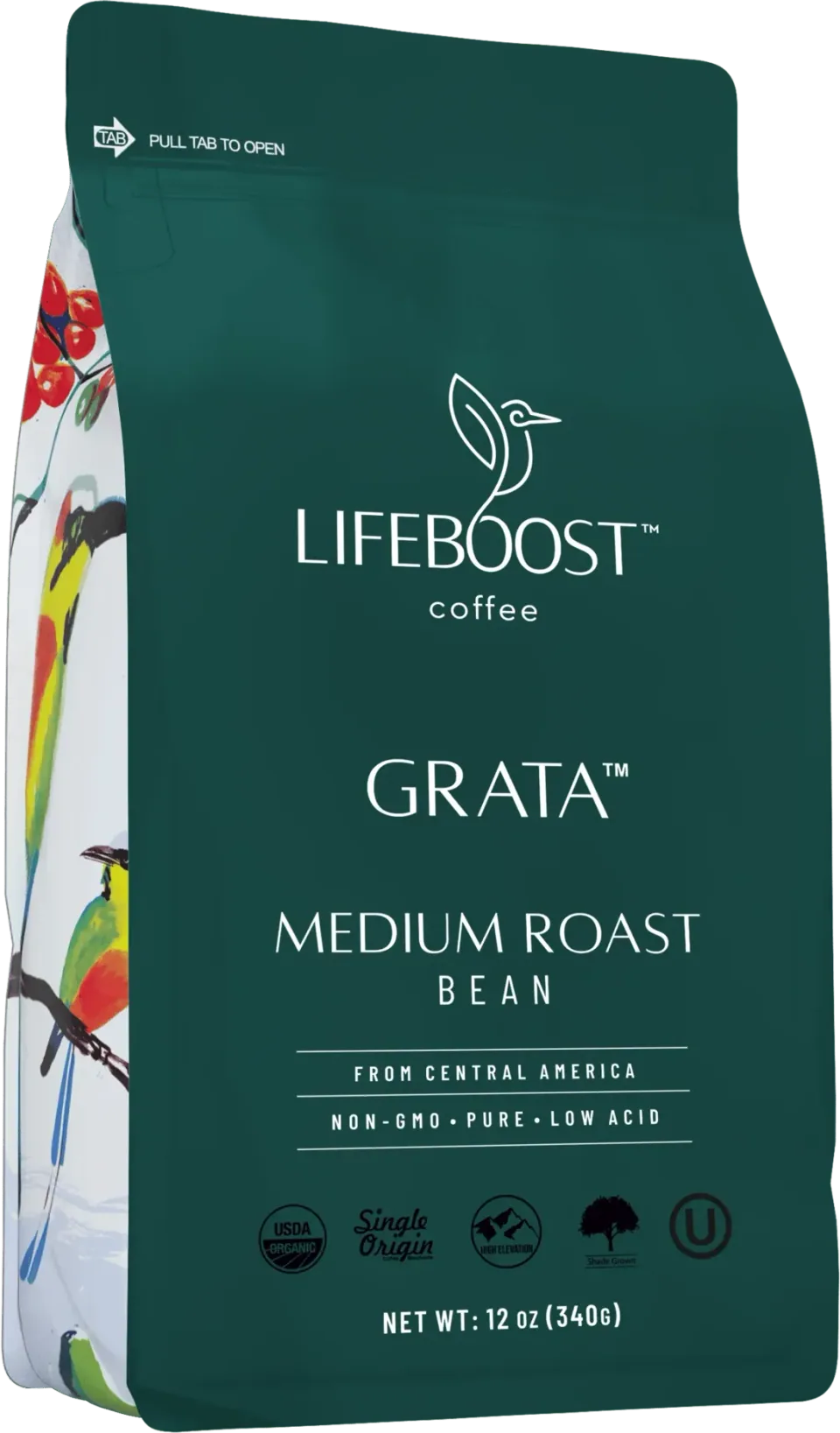
Lifeboost Coffee
A low-acid, organic single-origin Nicaraguan medium roast, roasted to order and third-party tested for toxins, at a premium price.
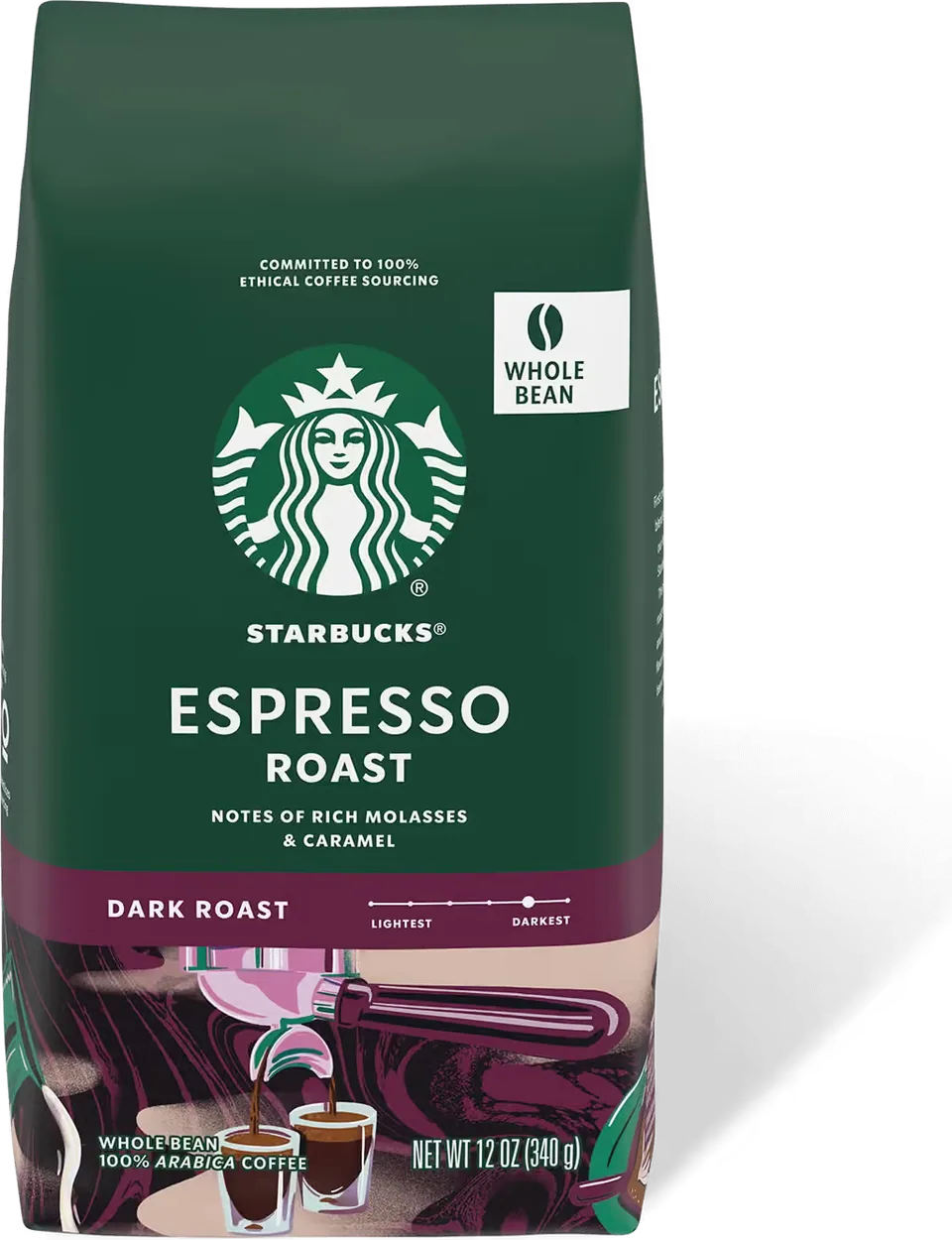
Starbucks
The dark, caramelly blend behind Starbucks café espresso since 1975, in whole-bean bags for home machines.
Buying guide
Choose bags with a printed roast date, not just a best-by date, which can be many months away. The National Coffee Association puts whole beans at one to three weeks of peak freshness at room temperature, so buy what you'll finish in that window. Very fresh beans are usually ready to brew after two or three days of rest.
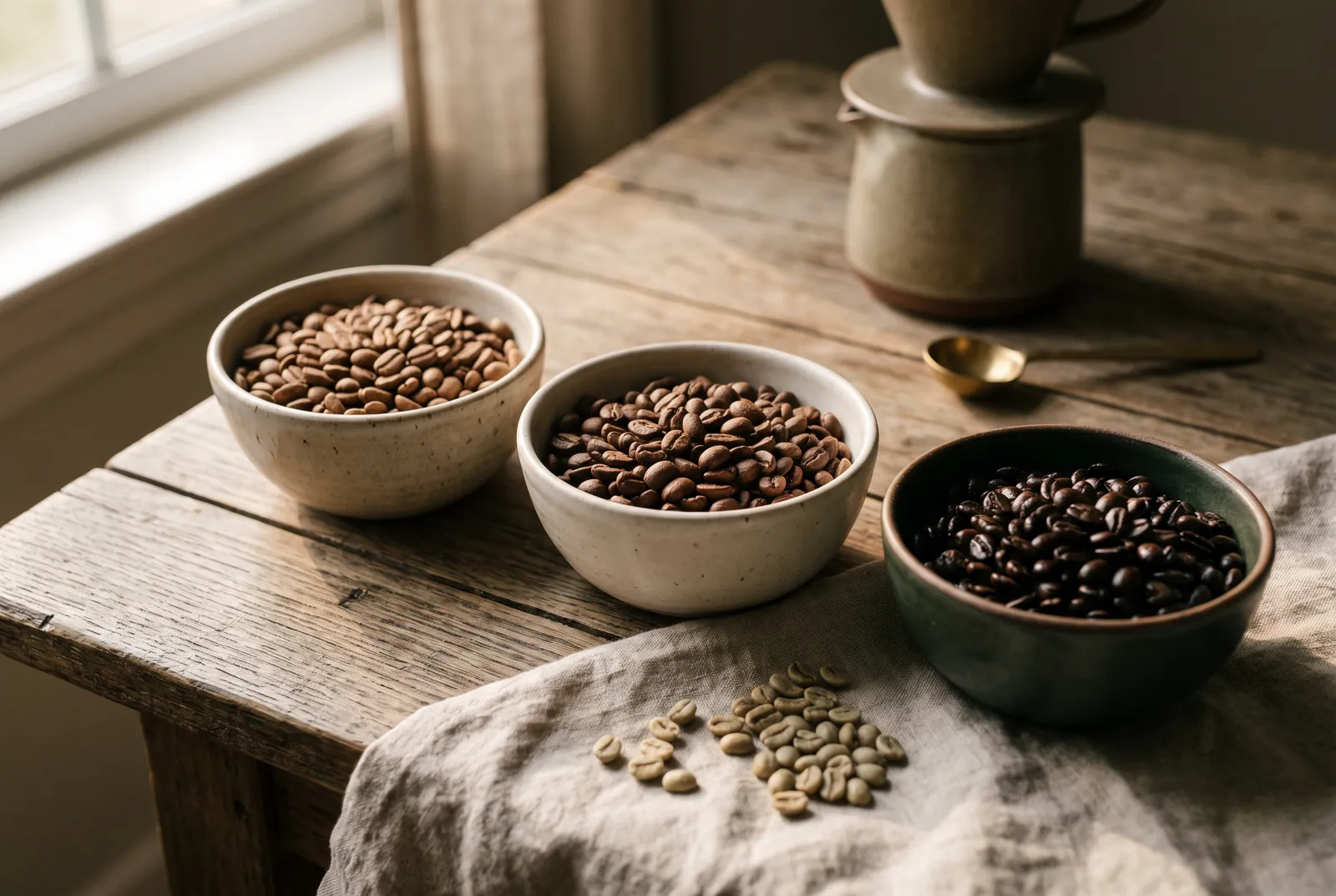
Light roasts show more origin character, such as fruit, florals and brighter acidity. Medium roasts balance sweetness and body, and dark roasts bring bittersweet, smoky notes and an oily surface. Dark roast does not mean more caffeine; if anything, light roasts carry slightly more.
Country, region, producer, variety and process tell you what you're buying and who grew it. Vague words like 'gourmet' or 'bold' say little on their own. Certifications such as USDA Organic, Fair Trade, Rainforest Alliance or Smithsonian Bird Friendly cover farming and trade practices, not flavor.
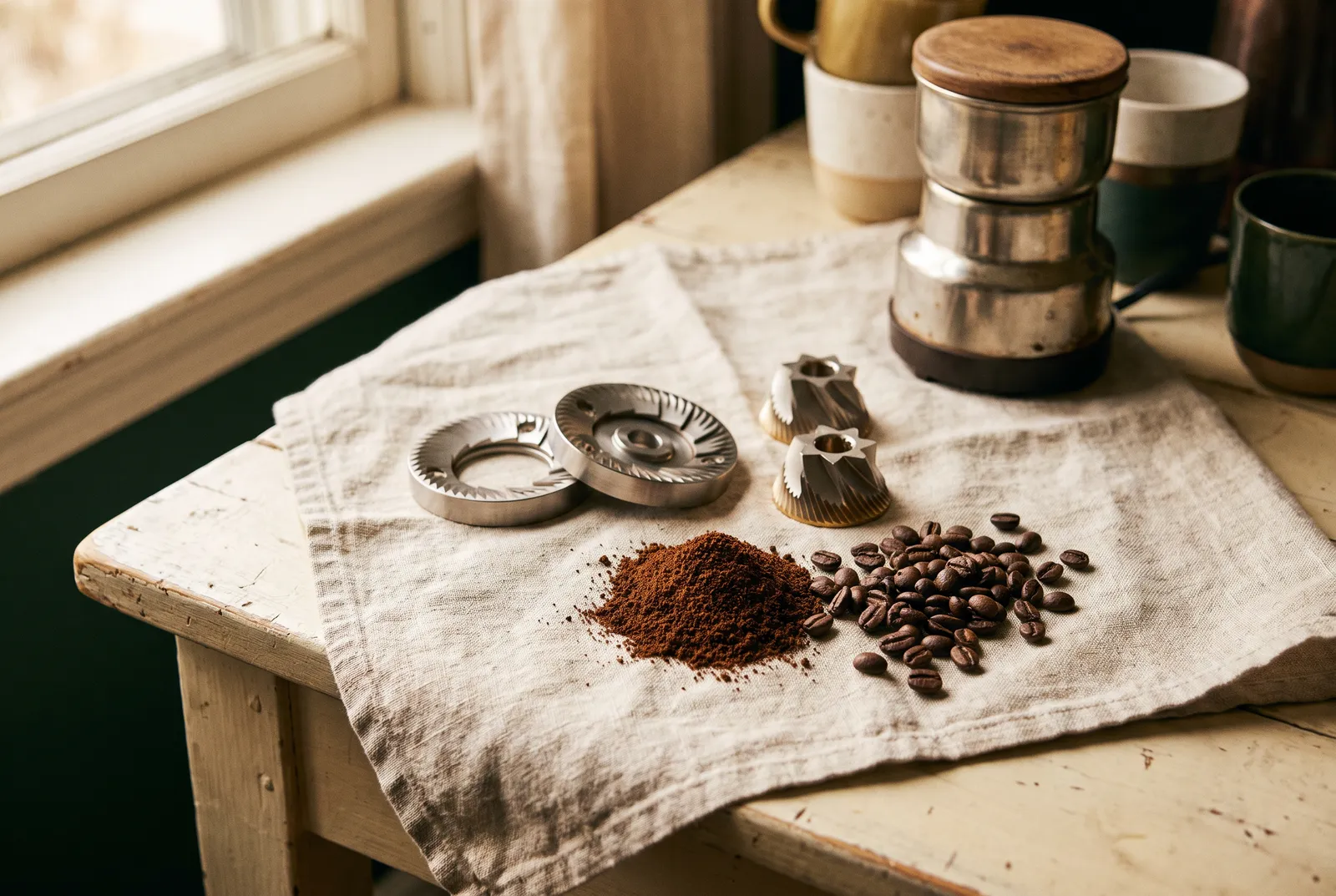
Grinding right before brewing gives the freshest flavor. Burr grinders produce a far more even particle size than blade grinders, which helps the coffee extract evenly. If you can't grind at home, ask the roaster to grind for your brewer and buy smaller bags.
Keep beans in an opaque, airtight container away from heat and light; clear canisters let light in. An open bag doesn't belong in the fridge, where beans pick up moisture and odors. If you buy in bulk, freeze portions in truly airtight containers and take out no more than a week's worth at a time.
A 12 oz (340 g) bag makes about 21 cups at 16 g each, so compare bags by cost per cup rather than per ounce. Our value factor does that math against the rest of the category.
Video reviews
FAQ
Once roasted, whole beans keep their best flavor for roughly one to three weeks at room temperature in an airtight container, according to the National Coffee Association. They're still safe to drink after that, but aroma and sweetness fade. Frozen in a truly airtight container, beans hold up for about three to four months. Buy amounts you'll finish within a couple of weeks and check the roast date before you buy.
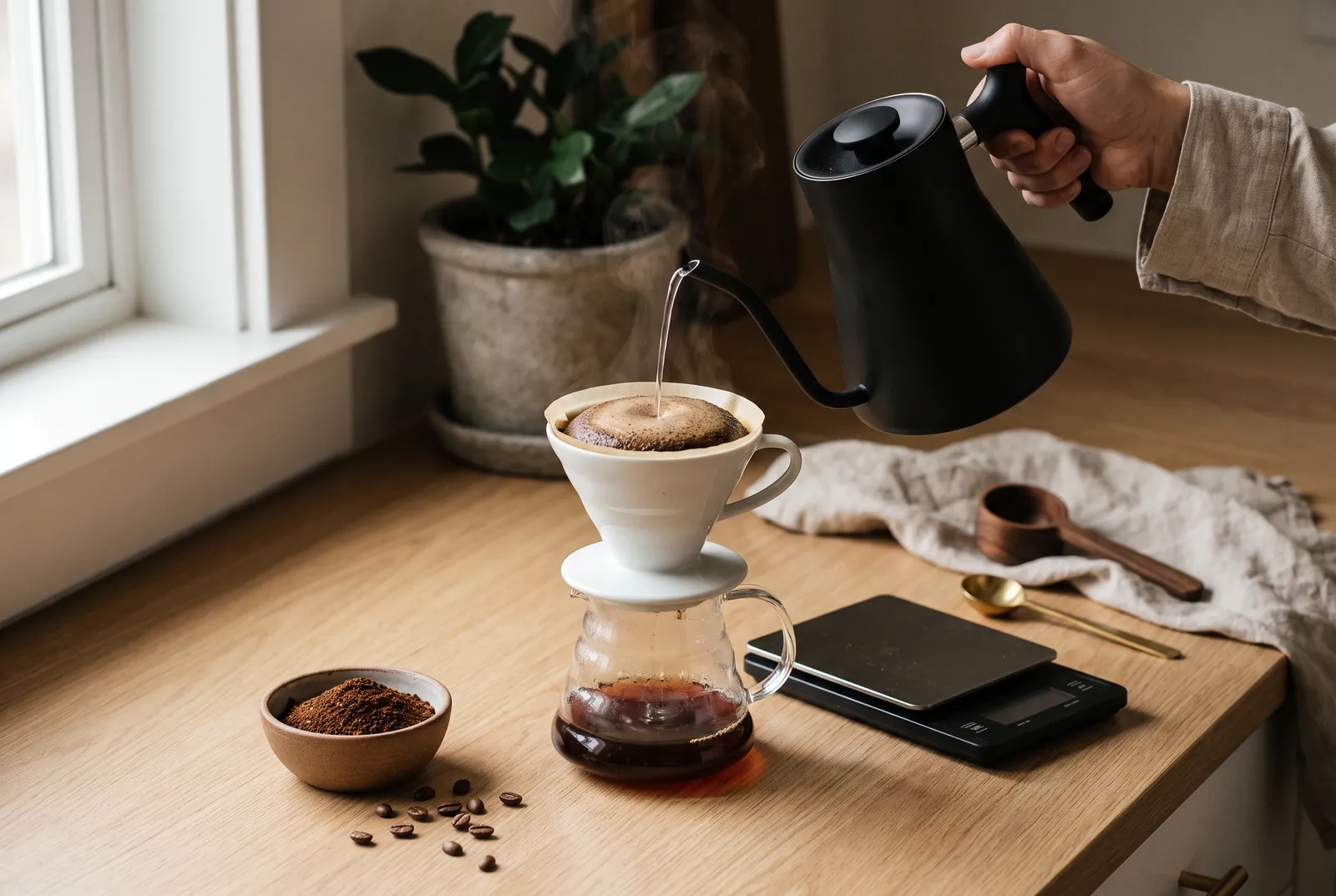
A good starting point is 15–18 g of whole beans per 8 oz (240 ml) of water, a 1:13 to 1:16 ratio by weight, in line with the National Coffee Association's pour-over guidance. Weigh rather than scoop, since a scoop's weight varies with roast and bean size. Adjust from there: more coffee if it tastes thin, a finer grind if it tastes sour, a coarser one if it tastes harsh.
Not automatically. Single-origin coffee comes from one country, region or farm and tends to show distinctive character, which is why it's popular for pour-over and lighter roasts. Blends combine origins for balance and consistency and are often designed for espresso or milk drinks. Judge each bag on roast date, transparency and taste rather than the label; our scores compare both on the same scale.
No. Roast level changes flavor far more than caffeine, and the National Coffee Association notes that light roasts contain slightly more. Dose matters more: using more coffee per cup raises caffeine, and so does a robusta-heavy blend. The FDA lists 113–247 mg for 12 oz of regular brewed coffee and cites 400 mg a day as an amount not generally associated with negative effects for most healthy adults.
Community
No discussions yet.
Own whole bean coffee? Ask a question or share your recipe — you’ll be the first.