Community favorite
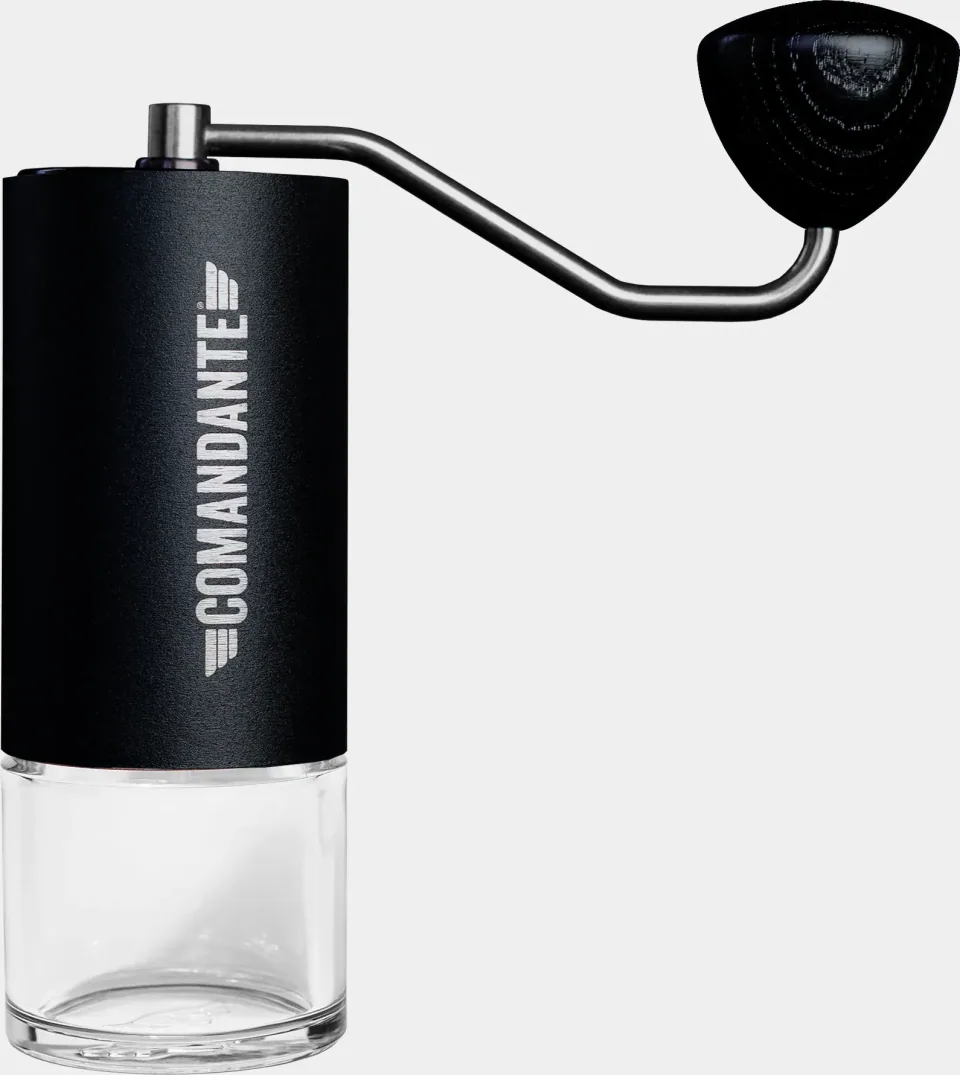
Comandante
C40 MK4 Nitro Blade
8.5Great
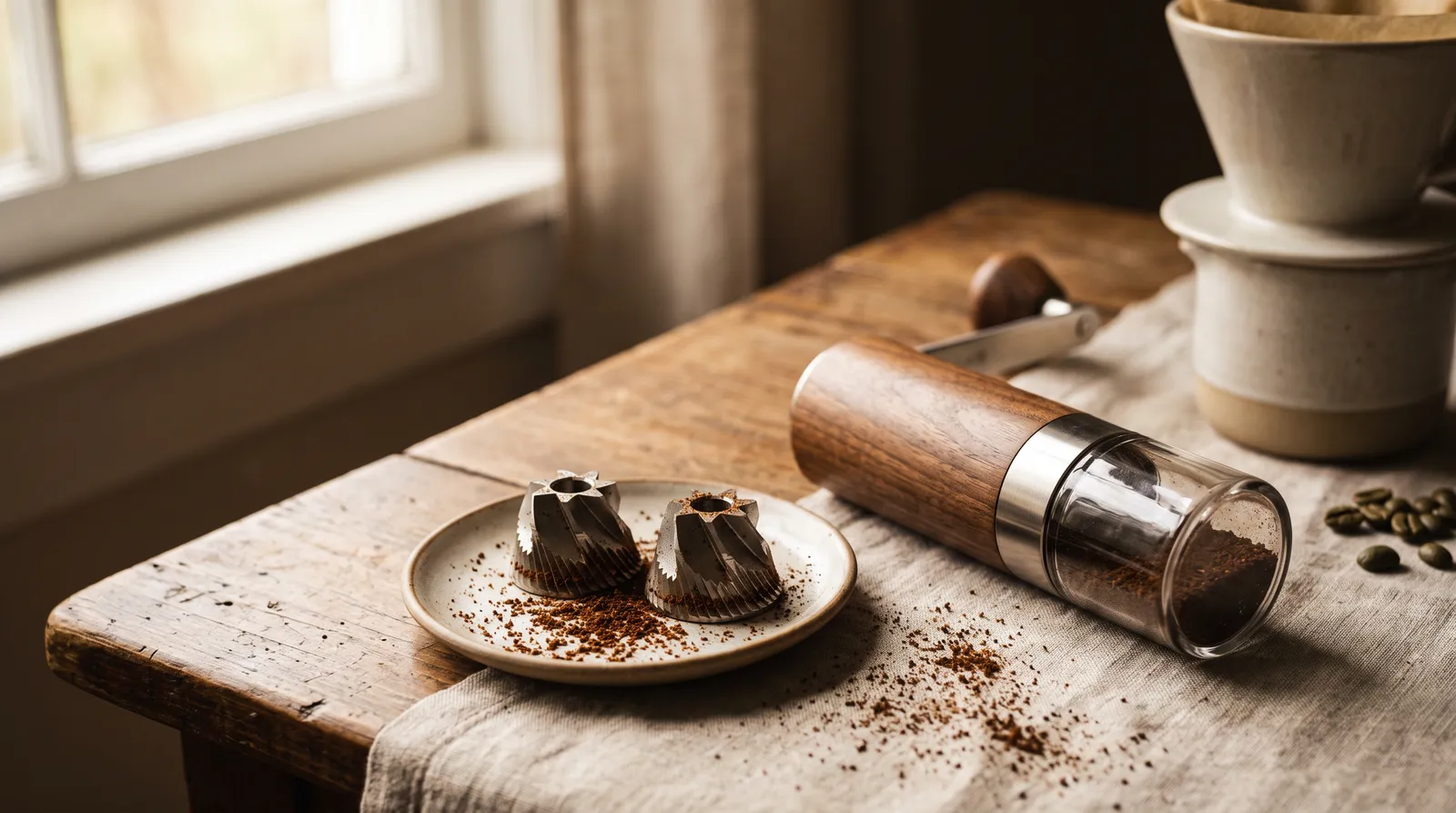
The benchmark German hand grinder: superb, consistent filter grinds and lifetime-grade Nitro Blade burrs, but slow and pricey.
Grinders4$329
Electric and hand burr grinders for espresso and filter, scored on grind quality, adjustment, retention and build.
Top rated
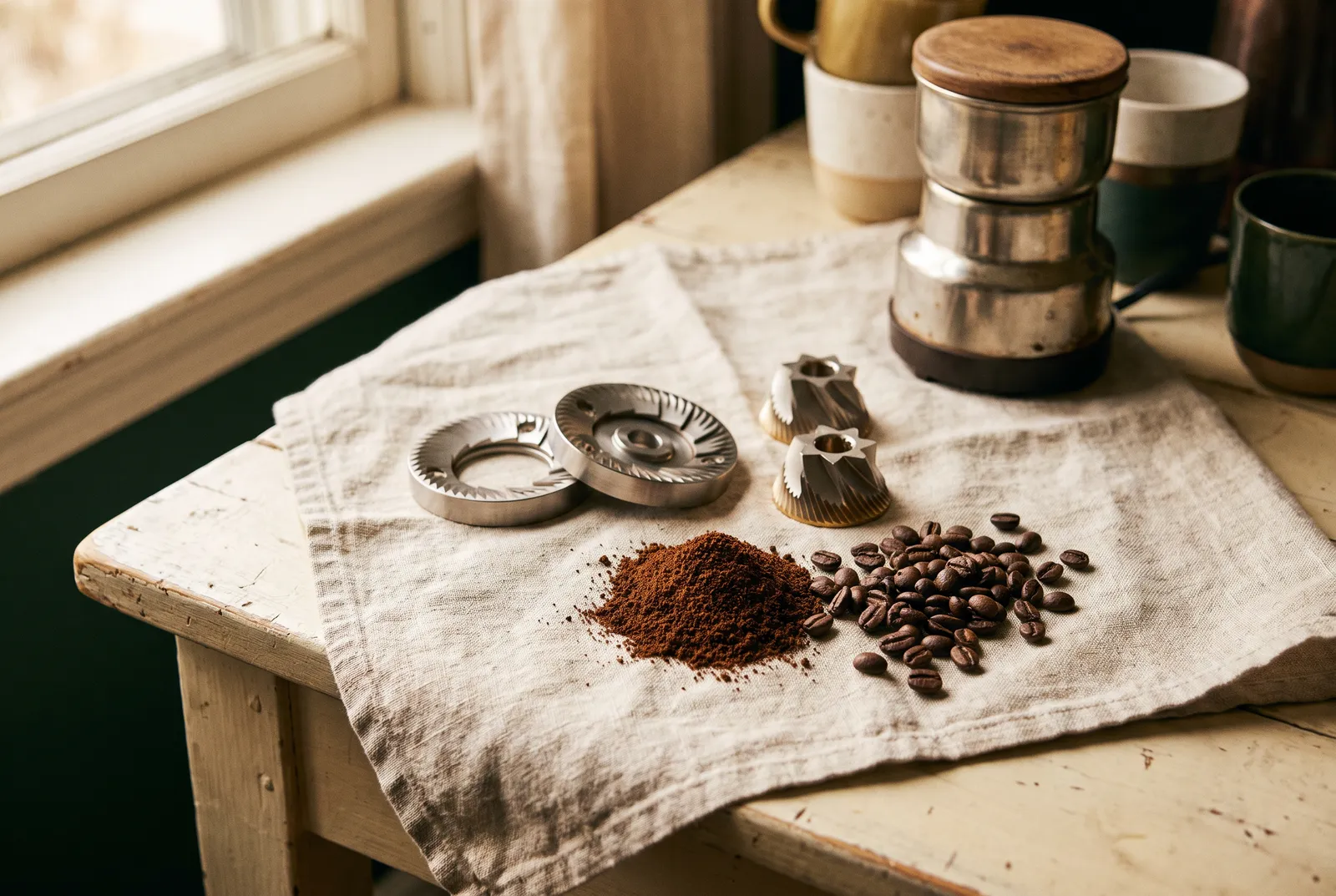
A grinder shapes your coffee more than almost any other piece of gear. Burr grinders crush beans between two burrs set a precise distance apart, producing a far more consistent particle size than blade grinders, which chop for as long as you hold the button and leave dust and chunks together. Consistency matters because small particles extract faster than large ones, so an uneven grind can taste bitter and sour in the same cup.
Start with what you brew. Filter coffee needs consistency at medium to coarse settings; espresso needs fine settings and tiny adjustments, since a few dozen microns can change a shot by several seconds. Stepped grinders click between fixed settings, which makes them easy to repeat; stepless designs adjust continuously for espresso precision. Conical and flat burrs can both be excellent, and burr quality, alignment and motor matter more than shape. Low retention helps if you weigh single doses or switch beans often. Hand grinders offer strong filter performance for less money, and the SCA certifies home filter grinders after third-party testing.
Our Gear score weights performance 30%, build and reliability 20%, value 20%, ease of use 15%, and community love 15%. Performance means grind quality for the intended method; build covers burrs, motor, warranty and parts availability.
All grinders
9 products
Comandante
The benchmark German hand grinder: superb, consistent filter grinds and lifetime-grade Nitro Blade burrs, but slow and pricey.
Turin
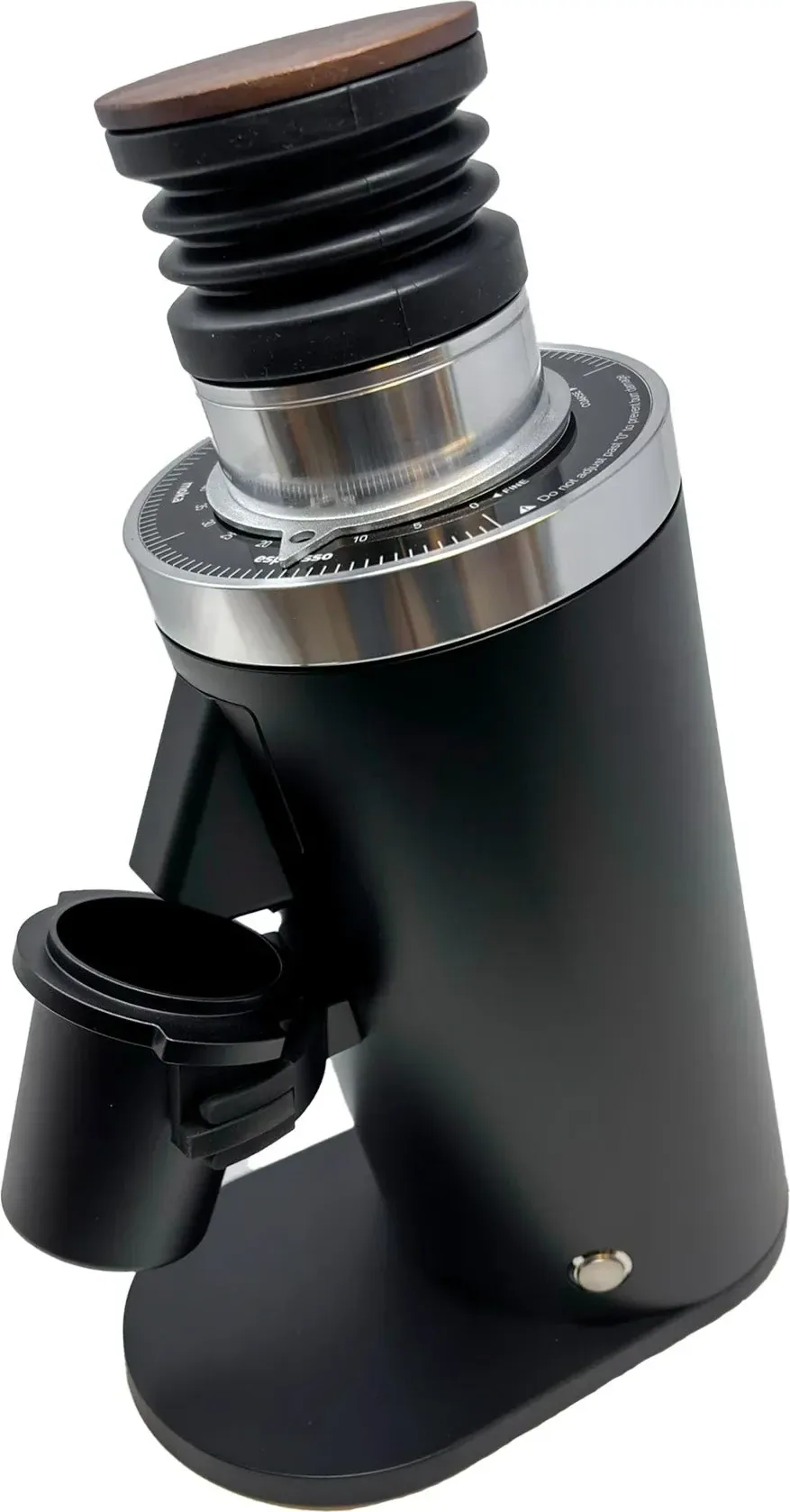
The value pick for single-dosing: 64 mm flat burrs, stepless adjustment and an ion generator for about $400, at the cost of noise.
1Zpresso
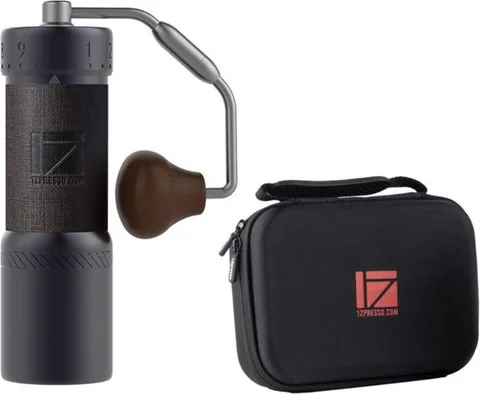
A $199 espresso hand grinder with 8-micron external steps and 48 mm coated burrs; superb shots, but weak for pour-over.
Eureka
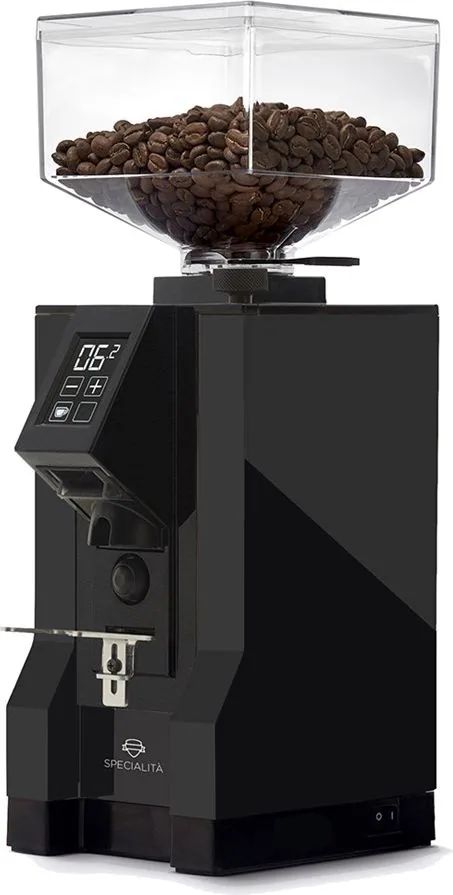
A compact, very quiet 55 mm flat-burr espresso grinder with stepless adjustment and a touchscreen timer; the chute is messy.
Fellow
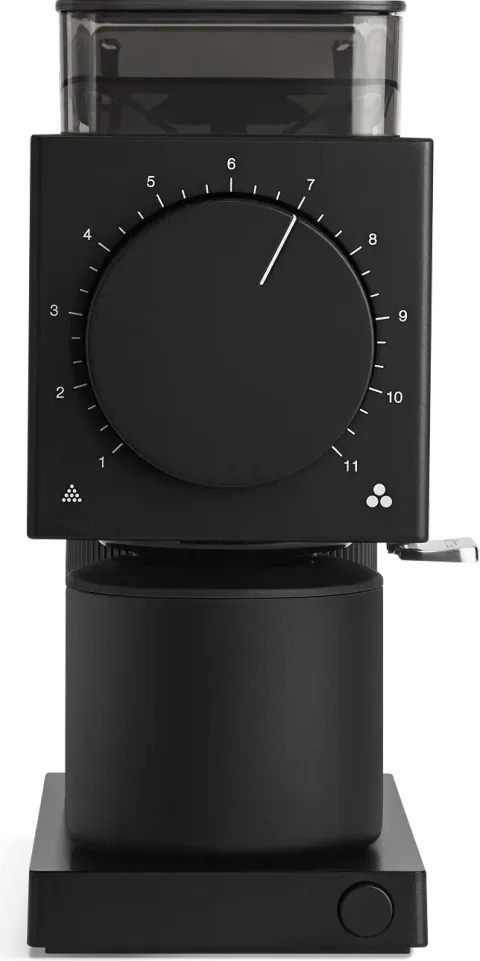
A quiet, low-mess 64 mm flat-burr single-doser built only for filter coffee, with excellent grind quality for the money.
TIMEMORE
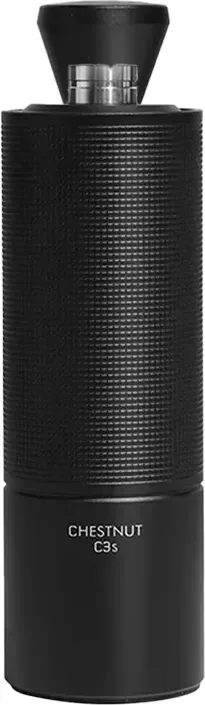
An $89 all-metal hand grinder with 38 mm S2C burrs that punches above its price for filter; its click steps are coarse for espresso.
Fellow
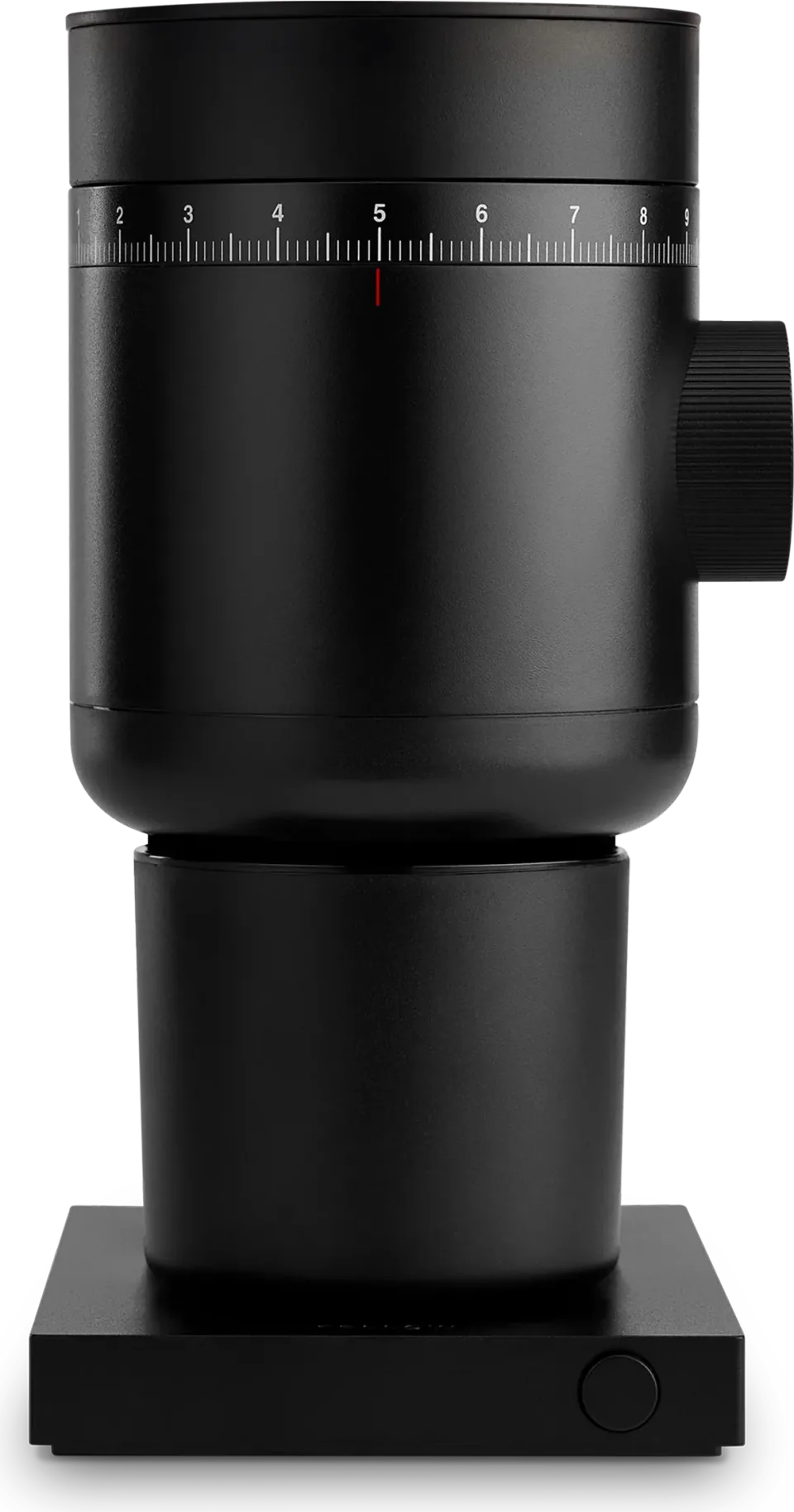
A $200 all-rounder with 48 mm conical burrs, a stepless side dial and near-zero retention; superb workflow, plastic internals.
Baratza
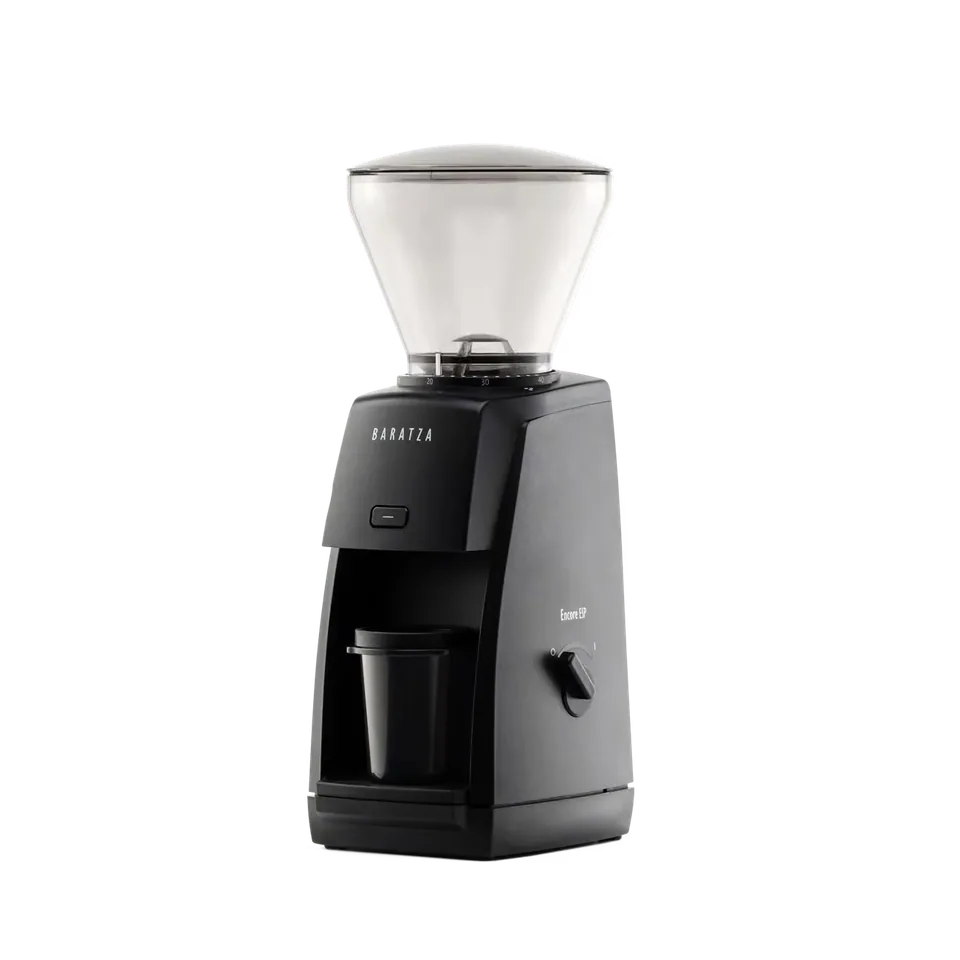
An easy $200 all-rounder with a true espresso range; clumpy and retentive at espresso fineness, but very beginner-friendly.
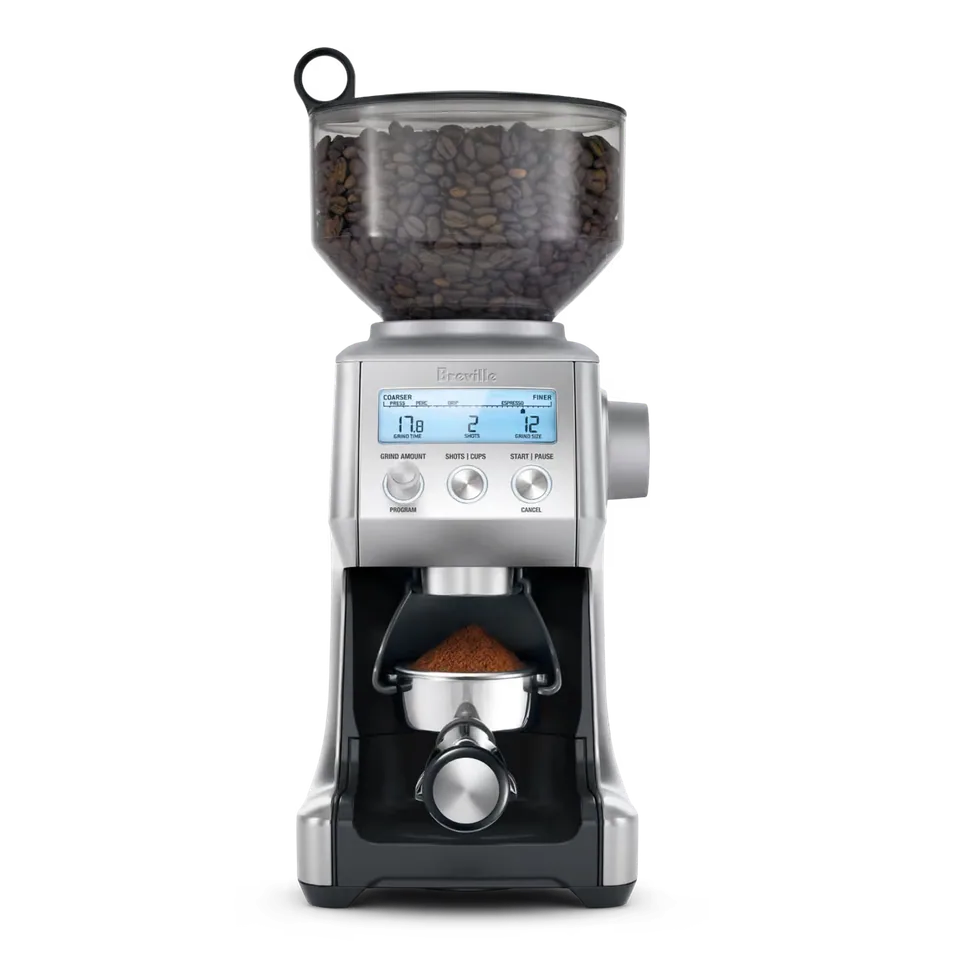
Breville
A feature-packed $200 conical grinder with a 0.2-second dose timer and 60 settings; clumpy and retentive for espresso.
Buying guide
A filter grinder doesn't need espresso-fine adjustment, and an espresso grinder can be overkill for drip. If you brew both, look for a wide range with fine steps at the espresso end, and check how easily you can switch and return to a setting.
Stepped grinders make settings easy to repeat, and some, like Baratza's Encore ESP, use smaller steps in the espresso range. Stepless grinders allow any setting in between, which helps espresso but makes jumping between methods less repeatable.
Grounds left inside the grinder go stale and end up in your next dose, so low retention matters for single-dosing. Plan to clean whatever you buy; Baratza recommends routine cleaning every four to six weeks and cleaning tablets for oily dark roasts.
For one or two cups of filter coffee a day, a good hand grinder delivers excellent results for the money and travels well. Grinding fine for espresso by hand takes more effort, so read hands-on reviews if that's your plan.
Replaceable burrs, available spare parts and a responsive warranty extend a grinder's life. Brands that sell parts and publish repair guides make a long service life realistic.
Blade grinders are cheap but chop unevenly, giving you dust and boulders in the same dose. Even an entry-level burr grinder makes a noticeable difference in the cup.
Video reviews
FAQ
Yes, for brewing. Burrs grind to a set size, so particles are much more consistent; blades keep chopping as long as they spin, producing fine dust and coarse chunks together. No grinder is perfectly uniform, as Baratza points out, but a burr grinder's predictable spread lets you adjust grind size to fix sour or bitter coffee, which a blade grinder can't do reliably.
Usually. Espresso needs a fine grind and very small adjustments; Baratza notes that moving the burrs a few dozen microns can change shot time by several seconds. Many filter-focused grinders can't go fine enough or adjust finely enough. Look for a grinder sold for espresso, with stepless adjustment or many small steps in the fine range, and hands-on reviews showing it can hit your target shot time.
Both can make excellent coffee. Flat burrs are often associated with clarity and conical burrs with body, but the differences between individual grinders are usually bigger than the difference between burr shapes. Burr size, sharpness, alignment and motor quality matter more, so compare grinders on hands-on results for your brew method rather than on burr geometry alone.
Baratza recommends routine cleaning every four to six weeks: remove the hopper and upper burr, brush out grounds and chaff, and grind cleaning tablets to absorb oils, especially if you use dark roasts. Oil buildup can turn rancid, affect flavor and stop beans feeding properly. Don't wash burrs with water unless your manual says it's safe.
Community
No discussions yet.
Own coffee grinders? Ask a question or share your recipe — you’ll be the first.