Best overall
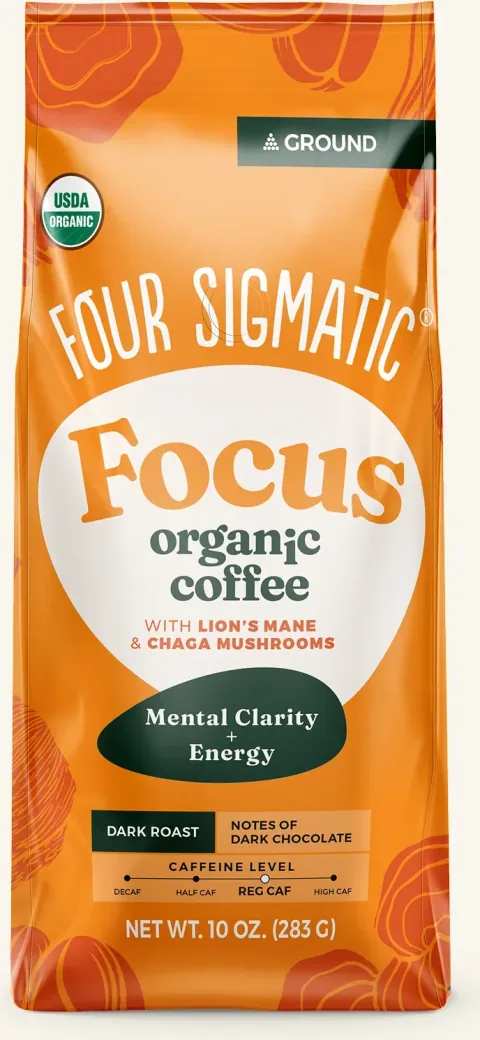
Four Sigmatic
Focus Ground Coffee – Dark Roast (Lion's Mane & Chaga)
7.7Good
Organic dark-roast ground coffee with lion's mane and chaga extracts. It brews and tastes like regular coffee, with full caffeine.
4$1.54 / cup
Mushroom, protein and functional coffees scored on taste, transparency and value, with health claims treated as claims.
Top rated
This category covers coffee and coffee alternatives with something added: mushroom extracts such as lion's mane, chaga, reishi or cordyceps, protein or collagen, adaptogens and other functional ingredients. Many are sold on promises of focus, calm or immunity. Treat those as marketing claims. Human research on these mushrooms is limited and mixed, and Memorial Sloan Kettering's herb database notes that reishi and chaga may increase bleeding risk in people on blood thinners. Products sold as dietary supplements aren't reviewed by the FDA for safety or effectiveness before they reach shelves.
What you can judge is the product itself. Better brands state the milligrams of each mushroom per serving instead of hiding them in a proprietary blend, say whether they use fruiting bodies or mycelium, publish third-party lab results, and list caffeine per serving. That last number matters: it ranges from none in caffeine-free alternatives to roughly a regular cup's worth in blends built on ordinary coffee.
Our Cup score weights flavor 30%, quality and freshness 20%, value 20%, sourcing and transparency 15%, and community love 15%. We score taste, ingredient quality and value per serving. We don't score health claims; transparency points go to brands that publish amounts and lab testing.
All mushroom & functional
10 products
Four Sigmatic
Organic dark-roast ground coffee with lion's mane and chaga extracts. It brews and tastes like regular coffee, with full caffeine.
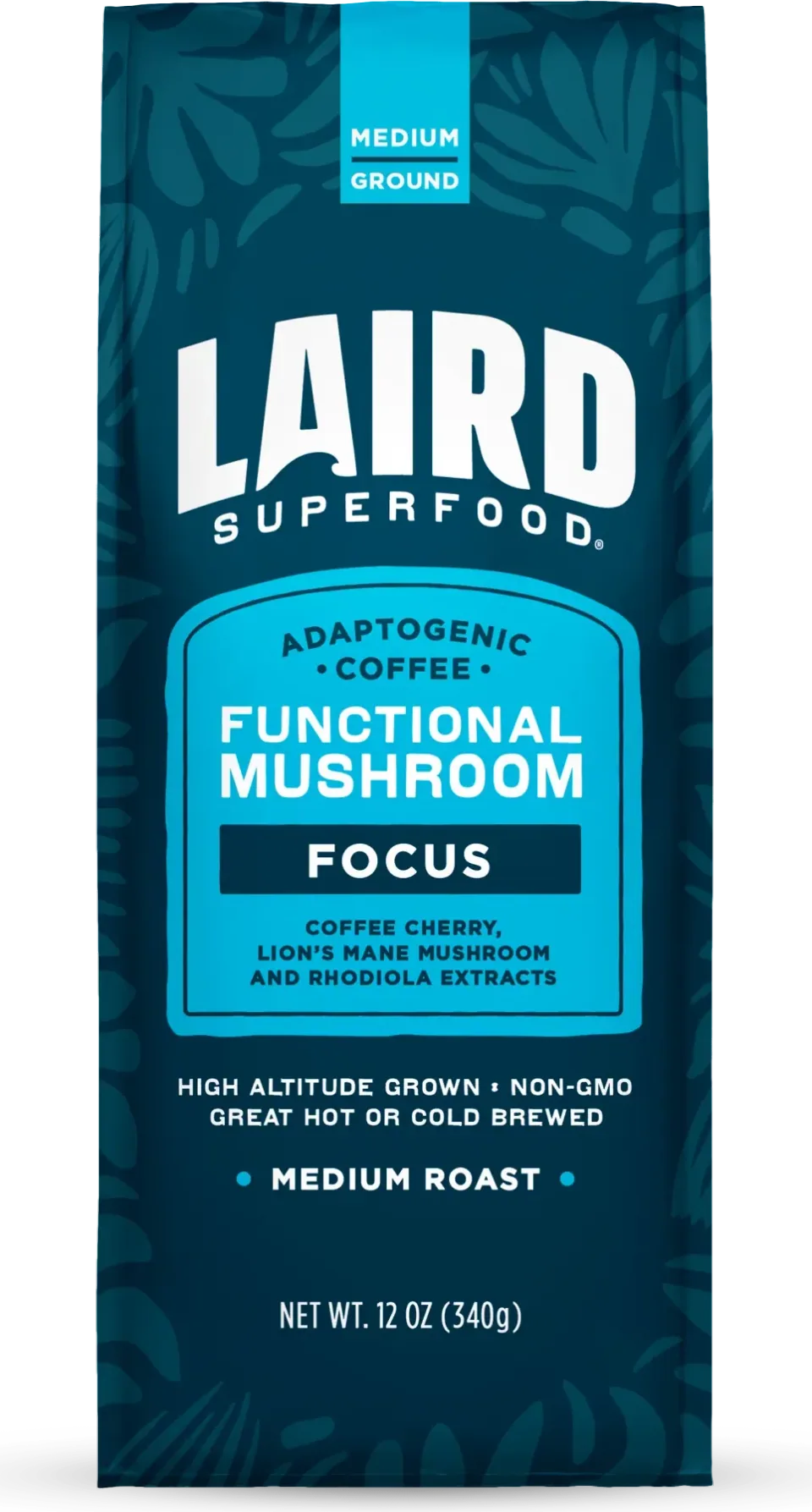
Laird Superfood
A low-cost functional ground coffee: Peruvian medium roast with lion's mane, rhodiola and coffee cherry for about $0.59 a cup.
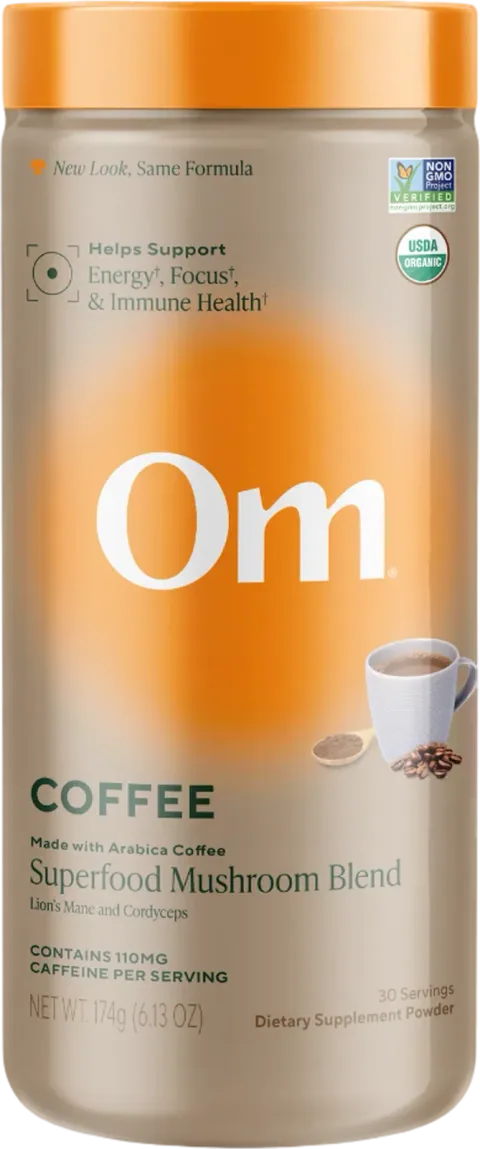
Om Mushroom Superfood
Organic instant coffee with 2,000 mg of lion's mane and cordyceps that Om grows itself, plus 110 mg caffeine and disclosed beta-glucans.
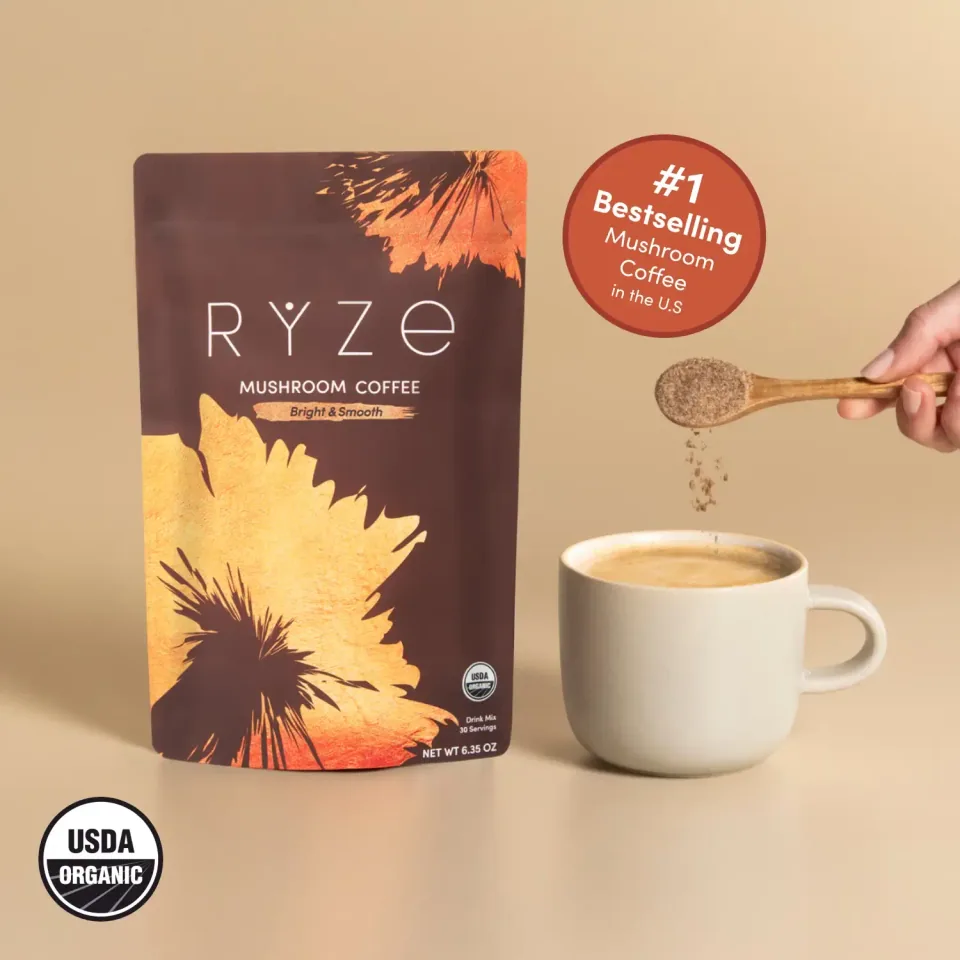
RYZE Superfoods
Mild organic instant coffee with six mushrooms and ~48 mg caffeine. Easy to make, but the taste divides people and a one-off bag is pricey.
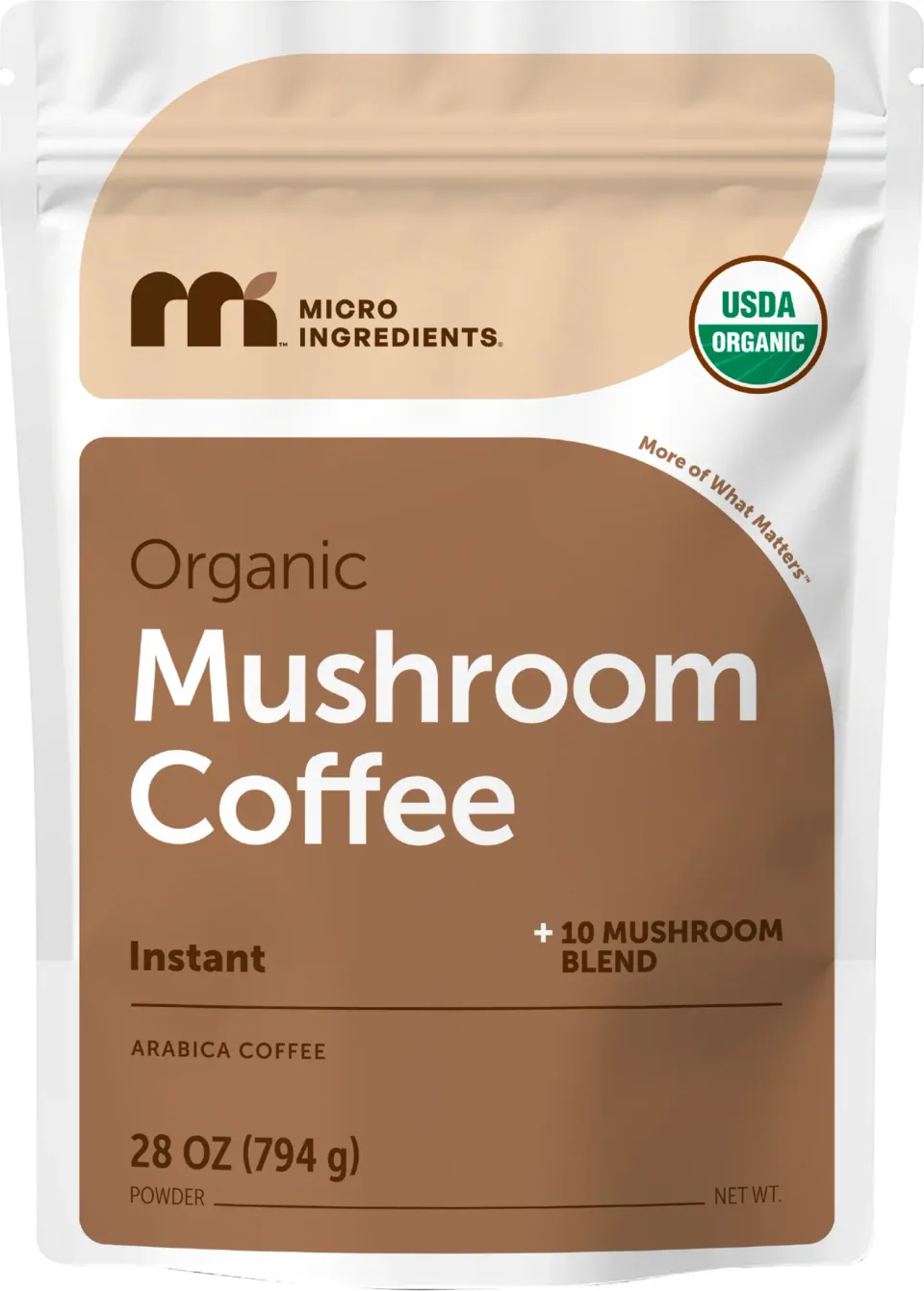
Micro Ingredients
A TikTok Shop best seller: organic instant Arabica plus ten mushrooms for about 12¢ a cup, but no listed doses.
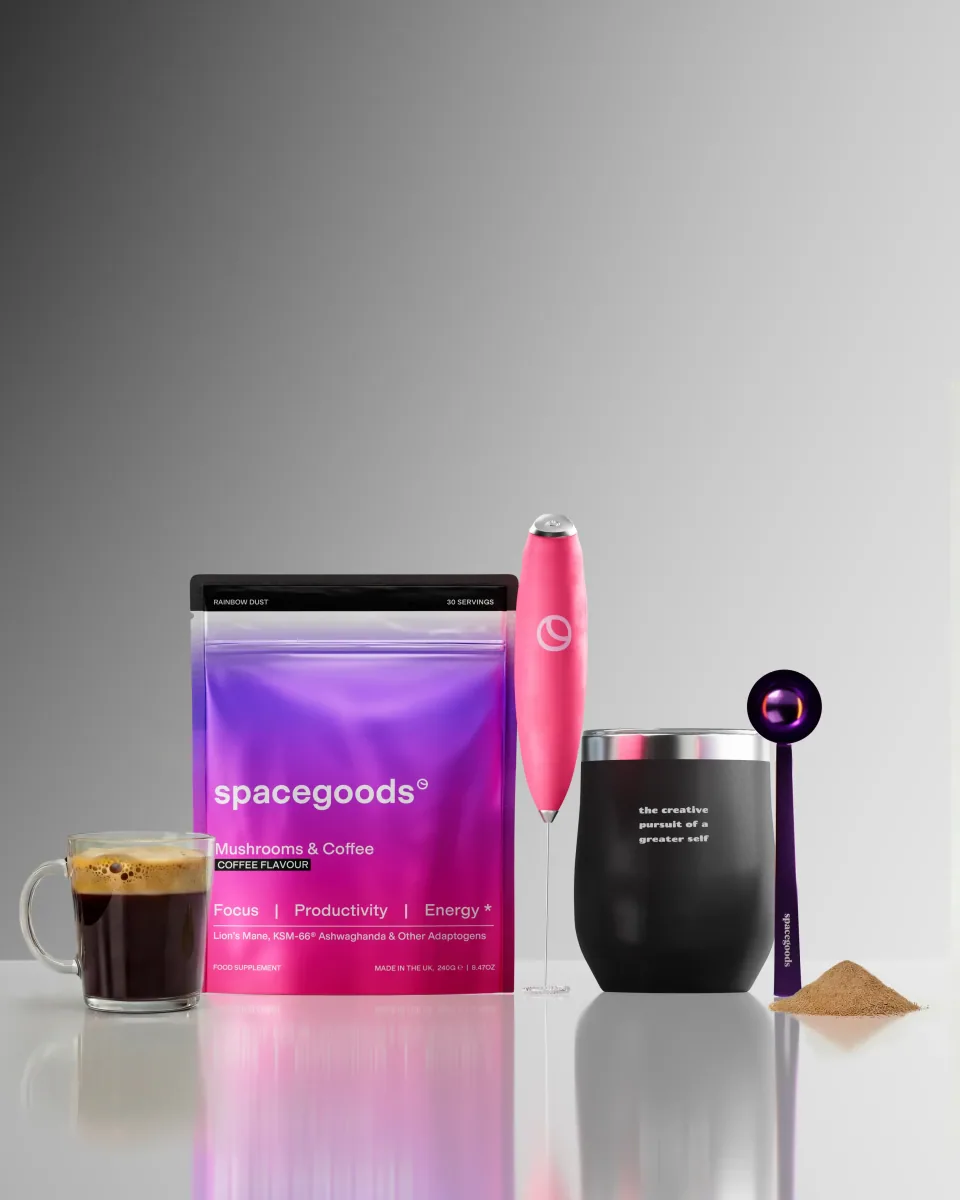
Spacegoods
UK-made 'coffee plus' powder with disclosed doses of lion's mane, cordyceps, chaga and ashwagandha; 80–120 mg caffeine. Pricey in the US.
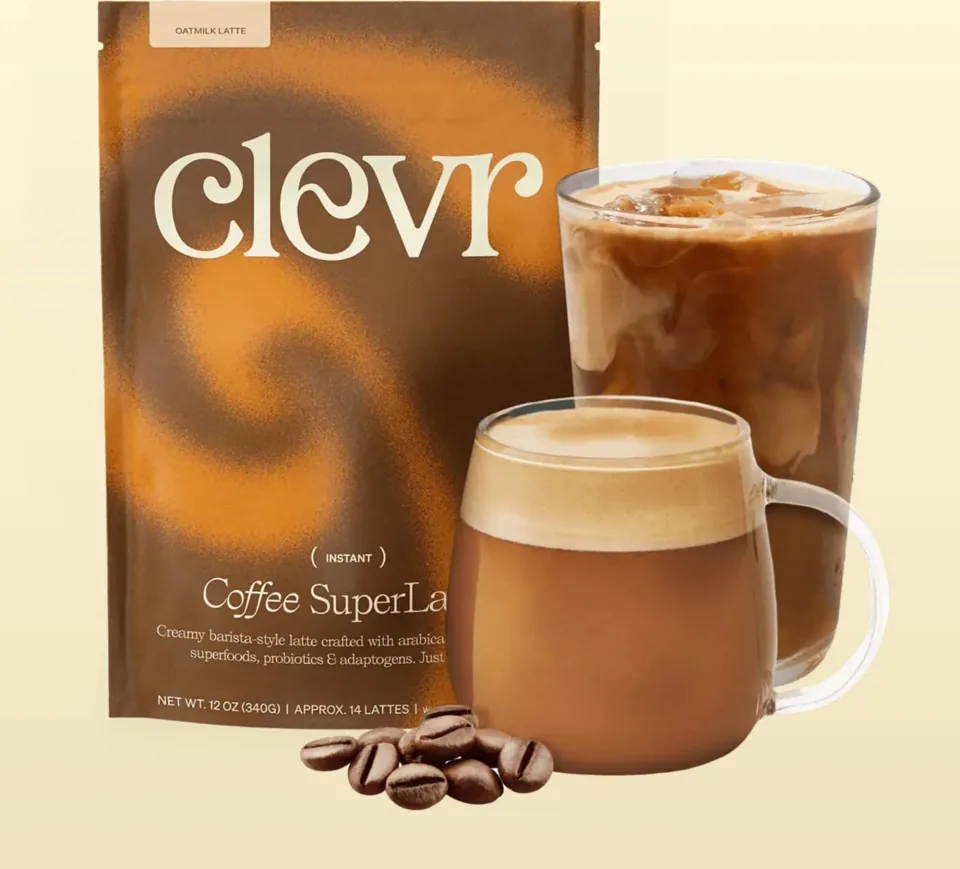
Clevr Blends
All-in-one instant oat-milk latte with coffee, ashwagandha, lion's mane, reishi and probiotics. Tasty, but pricey and vague on doses.
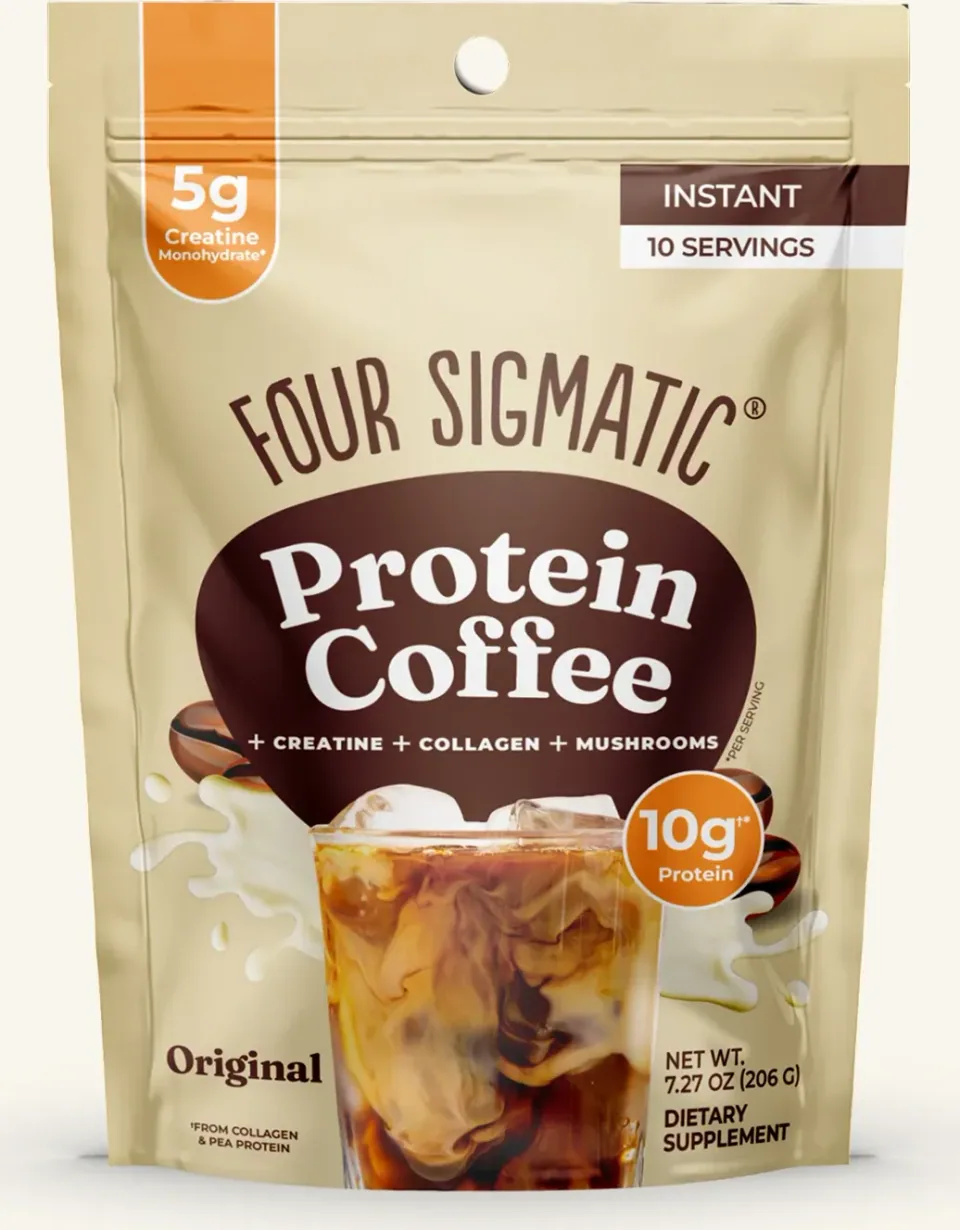
Four Sigmatic
A 'proffee' powder: instant Arabica with 10 g protein, creatine, collagen and lion's mane in one scoop. Sweet, convenient and $3 a cup.
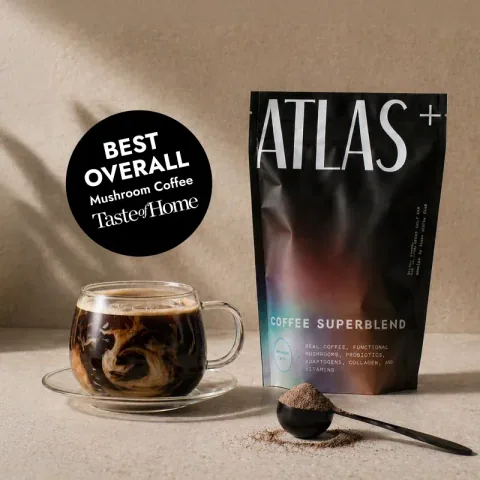
Atlas Coffee Club
A kitchen-sink instant mushroom coffee: lion's mane, reishi, cordyceps, collagen, probiotics, L-theanine and only 45 mg caffeine.
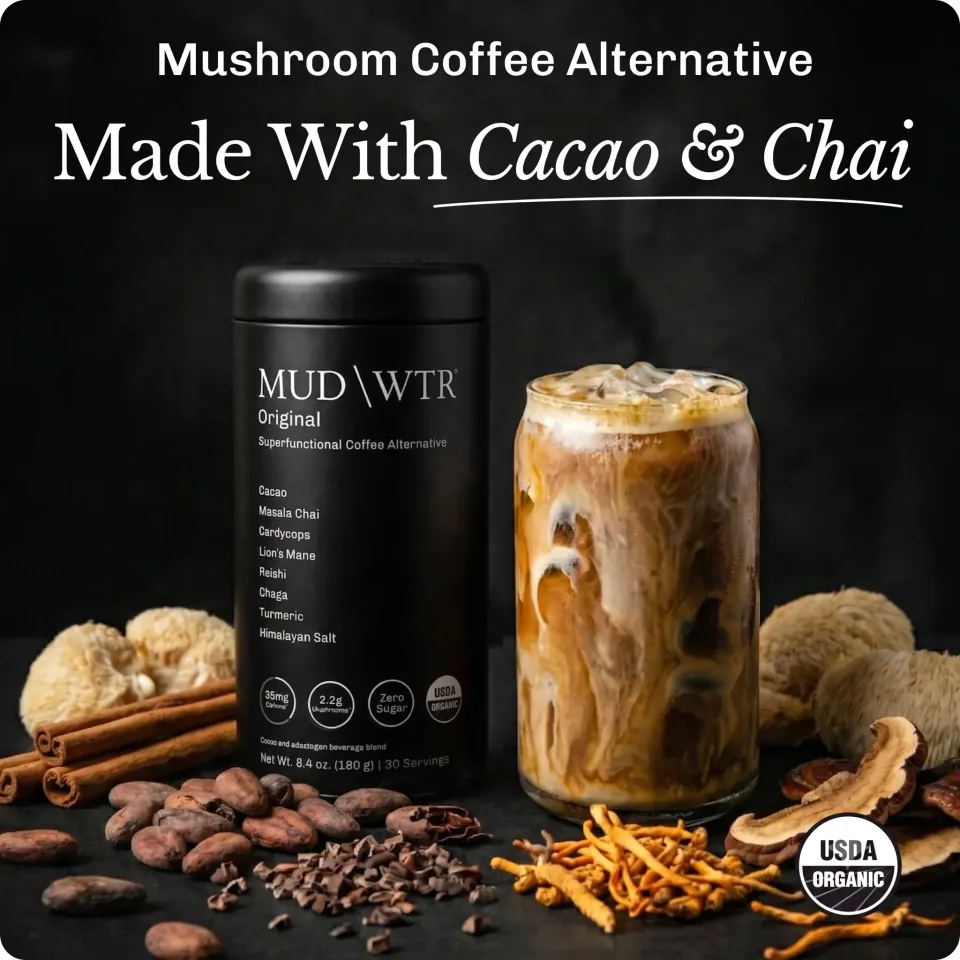
MUD\WTR
Not coffee: cacao, masala chai and four mushrooms with 35 mg caffeine. A cozy chai-cocoa cup, but gritty and $1.67 a serving.
Buying guide
Lion's mane, reishi, chaga and cordyceps have long traditional use, but human evidence for better focus, immunity or energy is limited or mixed. Buy for taste and routine, and be skeptical of packaging that promises specific results.
Look for milligrams of each mushroom or functional ingredient per serving. A proprietary blend discloses only the total, so you can't tell how much of each ingredient you're getting or compare products.
Some products are caffeine-free alternatives, some use less coffee than a regular cup, and some are ordinary coffee with extracts added. If you're switching to cut caffeine, confirm the milligrams per serving instead of assuming.
Supplements aren't approved before sale, and NCCIH warns that what's on a label may not be what's in the product. Brands that publish third-party certificates of analysis give you more to go on, and our sourcing factor rewards that testing.
MSK notes that reishi and chaga may increase bleeding risk, and supplements in general can interact with medicines. If you take prescription drugs, are pregnant or have liver or kidney problems, ask your doctor or pharmacist before making these a daily habit.
Compare grams of protein, added sugar and caffeine per serving, plus the protein source. Store ready-to-drink versions exactly as the label says.
Video reviews
FAQ
The evidence is limited. Memorial Sloan Kettering's herb database describes limited clinical data for lion's mane on memory and mood, with some trials finding no effect, and says chaga's safety and efficacy haven't been evaluated in clinical studies. Much of the marketing rests on lab and animal research. If you enjoy the taste or the lower caffeine, that's a fine reason to buy; just don't count on specific health outcomes.
It varies widely, from none in caffeine-free alternatives to roughly a regular cup's worth in blends built on ordinary ground or instant coffee. Some blends use less coffee per serving than a standard mug, which lowers the caffeine. The only reliable answer is the milligram figure on the label or brand site; if a product doesn't state it, assume it could be similar to regular coffee.
MSK describes eating lion's mane or drinking chaga tea as generally safe, but concentrated supplements are a different matter. It reports that reishi may increase bleeding risk and has been linked to liver injury, and that chaga contains oxalates, with case reports of serious kidney damage after long-term daily use. If you take prescription drugs, are pregnant or have kidney or liver problems, check with a clinician first.
There's no settled answer, and brands disagree. The fruiting body is the mushroom itself; mycelium is the root-like network, often grown on grain, and products made from it can include that grain. Rather than relying on either label, look for brands that state the part used and the amount per serving, and that publish independent lab results for the compounds they advertise.
Community
No discussions yet.
Own mushroom & functional coffee? Ask a question or share your recipe — you’ll be the first.