Every year brings a crop of "trends" that turn out to be one viral video and a press release. We held this list to a stricter test: a trend made the cut only if 2025–2026 reporting or data backed it up. Eight passed. Together they describe a year when coffee got colder, more "boosted," more convenient and more expensive, while matcha ran into a hard supply wall.
| Trend | The signal | What it means for you |
|---|---|---|
| Matcha boom and shortage | Japan's green tea exports nearly doubled in 2025 [1] | Higher prices; buy fresh, smaller tins |
| Protein in coffee | Starbucks protein lattes and cold foam [2] | Read protein and sugar grams |
| Functional blends | Funding and revenue for powder brands [3] | Read the evidence, not the claims |
| Cold, espresso and foam | Record espresso-drink consumption [4] | Easy, cheap home versions |
| TikTok Shop selling | Livestream sales more than doubled [5] | Compare price per cup |
| Concentrates and frozen extracts | A 20-country, four-brand concentrate launch [7] | Watch dilution and caffeine |
| Premium instant | New funding for freeze-dried instant [6] | Better quick coffee exists |
| Prices and climate | Record retail prices, easing at origin [8][9] | Expect slow relief |
1. Matcha: a boom meets a bottleneck
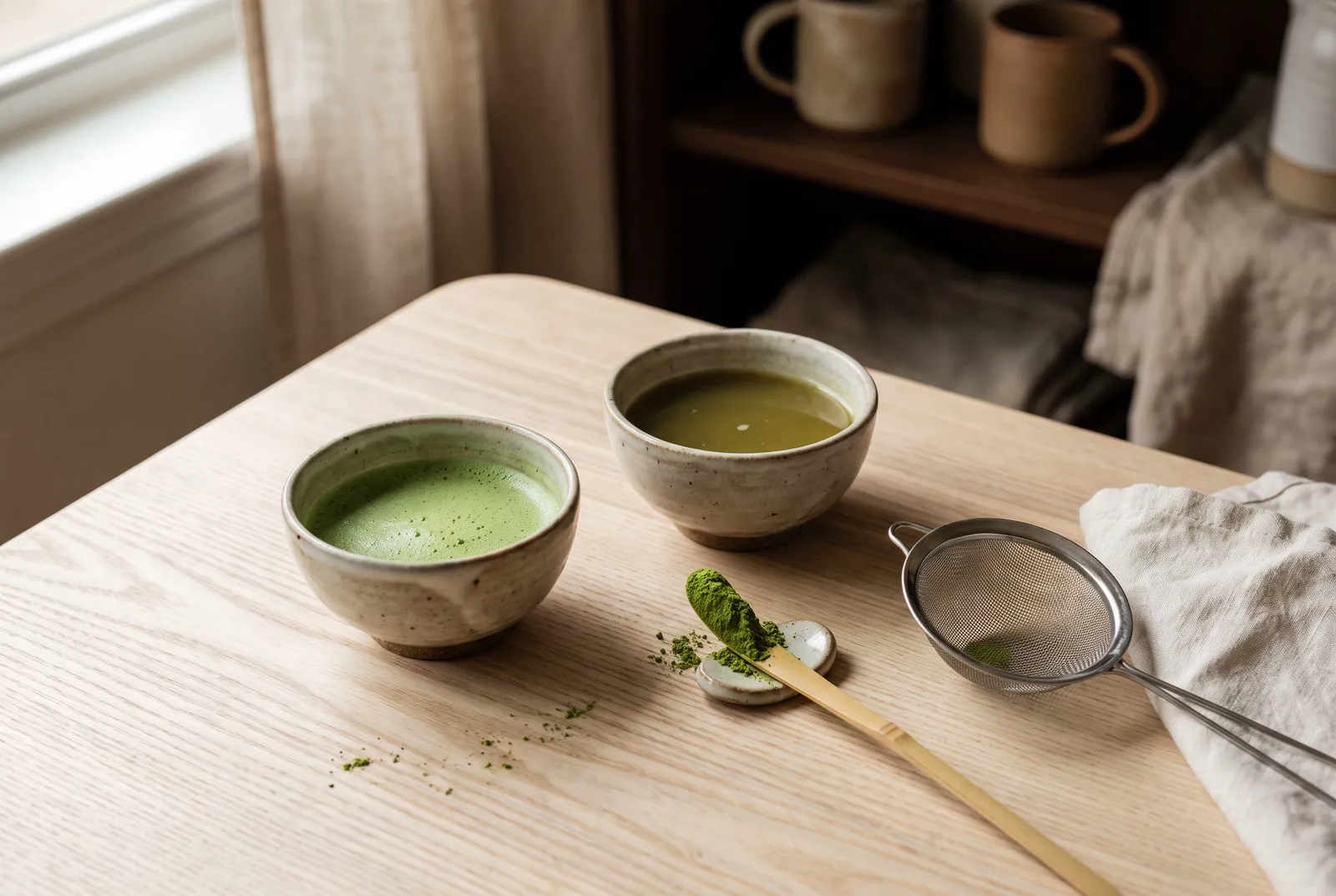
The numbers from Japan's agriculture ministry are striking. Green tea exports jumped from ¥36.4 billion in 2024 to a record ¥72.1 billion in 2025. Powdered tea, including matcha, made up 84% of that value, and the United States was the largest market. January–August 2026 exports ran ahead of the 2025 pace [1].
Supply is growing but can't keep up. Tencha, the leaf milled into matcha, reached 6,278 tonnes in 2025, about 3.2 times the 2014 level. Yet 2026 first-flush tea traded at roughly double the prior year's price in Kagoshima and about 70% higher in Shizuoka [1]. The ministry also reports rising counterfeits, including Chinese-made "Uji matcha," which helped push "Japanese tea" to geographical-indication protection in July 2026 [1].
What it means: Good matcha will stay expensive. Buy small, fresh tins, use a bolder latte grade for milk drinks, and save premium powder for straight tea. Compare options in matcha.
2. Protein moves into the cup
Starbucks gave "proffee" its biggest stage yet. In September 2025 it launched protein lattes delivering up to 36 grams of protein per grande, along with a protein cold foam adding about 15 grams, citing growing consumer demand for protein [2]. The rollout has already hit a speed bump. A proposed class action filed in October 2026 argues that drinks marketed as "Sugar-Free" contain 13–21 grams of sugar per venti from milk's lactose. Starbucks says the claims have no merit [2].
What it means: Protein drinks are useful if they fit your day, but read both numbers, protein and total sugar. At home, shake a ready-to-drink protein milk with cold brew or a double espresso over ice. It's cheaper and you control the sweetness.
Watch out: "Sugar-free" syrups don't make a milk drink sugar-free. Lactose is sugar, and it shows up in total sugars on a label.
3. Mushroom and functional blends scale up
Functional coffee has moved from niche to investable. UK-based Reformed, which sells powdered coffee and matcha blended with ingredients such as collagen, creatine and mushrooms, raised a $22 million Series A in July 2026. Its lead investor says the company passed $70 million in annualized revenue and is profitable, with a U.S. launch planned. The same report notes Forbes' estimate that mushroom-coffee brand Ryze could be worth $600 million in an acquisition [3].
What it means: Money and marketing are running well ahead of evidence for most functional ingredients. Judge these products on taste, price per cup, caffeine and label transparency. Browse mushroom and functional coffee with that lens.
4. Cold, espresso-based and foam-topped
The National Coffee Association's fall 2026 survey shows how American habits have shifted [4]:
- Espresso-based drinks reached a record 47% past-week consumption, up from 40% in 2022.
- Cold or iced coffee made up 21% of past-day coffee, up from 16% in 2022.
- Past-week cold brew reached 21%, frozen blended drinks 18% and nitro 7%.
- App ordering hit a record 40% among people who bought coffee away from home in the past week.
Cold foam sits on top of many of these drinks, and it's now a protein carrier too [2].
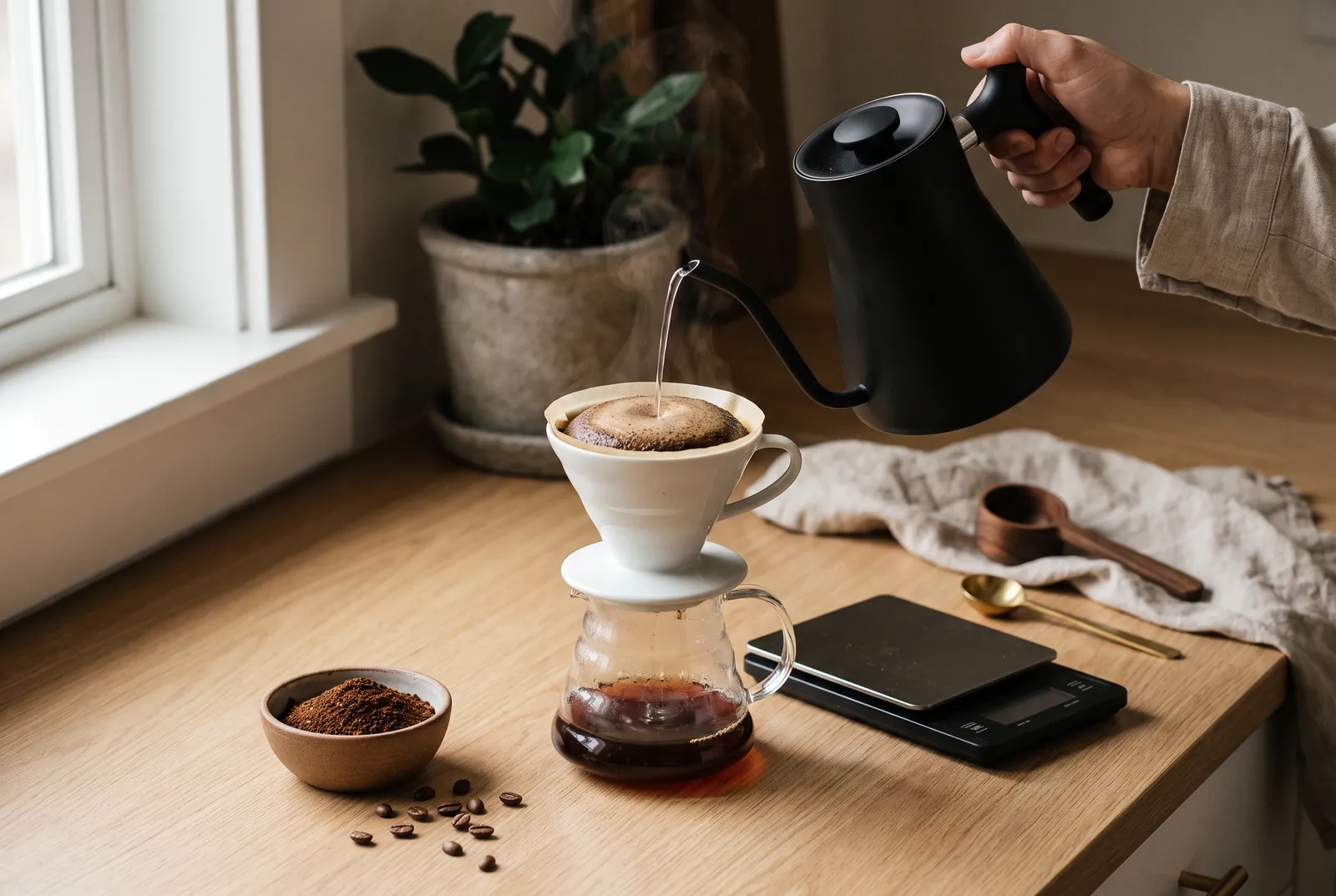
What it means: The café favorites are easy at home. For cold foam, froth very cold skim or 2% milk (a splash of cream adds body) with a handheld frother, or pump it in a French press. For a shaken espresso, shake a double shot with ice and a touch of syrup in a jar until frothy, then strain it over fresh ice. Concentrates and cans are in cold brew and RTD, and syrups in creamers and syrups.
Tip: Cold foam whips best from very cold, lower-fat milk. Chill the frothing jar too, and add sweetener before frothing so it dissolves evenly.
5. TikTok Shop becomes a coffee aisle
Live shopping is no longer a sideshow. TikTok says its shop topped $500 million in sales over the 2025 Black Friday–Cyber Monday weekend. Sellers hosting livestreams saw 84% year-over-year sales growth, and U.S. LIVE Shopping sales more than doubled in the first half of 2026 [5]. Coffee sellers are leaning in. Instant-coffee startup Diamond Brew says its founder logged more than 2,000 hours on TikTok Live in 2025 [6], and Ryze scaled its mushroom coffee through direct-to-consumer sales and social media [3].
What it means: Livestream deals can be real, but bundle pricing makes comparisons hard. Do the math per cup or per gram, and check who the seller is, especially for matcha, where counterfeits are a documented problem [1].
6. Concentrates and frozen extracts go mainstream
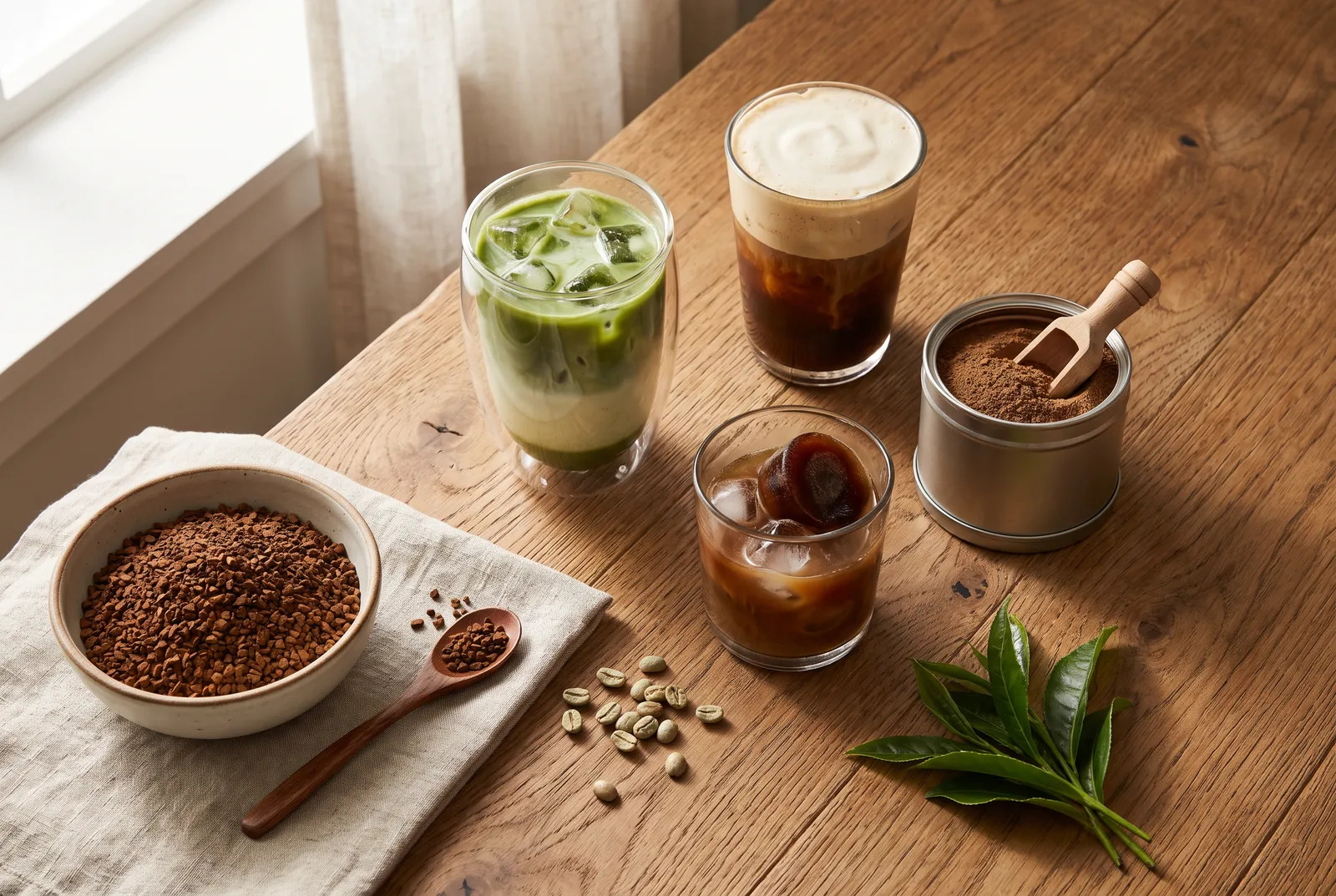
Big coffee companies are betting on concentrates. In October 2026, Keurig Dr Pepper launched liquid espresso concentrates in 20 countries under its L'Or, Jacobs, Kenco and Douwe Egberts brands. The launch was framed around cold coffee, one of the fastest-growing coffee trends worldwide, particularly among Gen Z [7]. Starbucks and Nescafé already sell popular concentrates [7]. At the premium end, Cometeer sells frozen soluble coffee pucks [6].
What it means: Concentrates make excellent iced lattes in seconds. Check the dilution ratio and caffeine, and remember that frozen extracts need freezer space. Compare products in concentrates.
7. Premium instant keeps leveling up
Specialty instant keeps attracting startups and investors. Diamond Brew, which raised a "seven-figure" round in 2026, sells freeze-dried crystals in single-serve pods, made using a liquid-nitrogen flash-freezing step [6]. The category has casualties: Sudden Coffee closed in 2020, and early player Voila also shut down. Survivors such as Swift Coffee run a B2B instant operation for specialty roasters alongside their own consumer line [6]. Instant isn't immune to the price shock, though. U.S. instant coffee prices rose 22.8% year over year in April 2026 [8].
What it means: A good instant is a legitimate travel and office coffee now. Look for freeze-dried, single-origin or roaster-branded options in instant coffee.
8. Prices, tariffs and climate pressure
Coffee's price shock is the trend behind the other trends.
- The peak. Arabica futures hit an all-time high near $4.40 a pound in February 2025, and the ICO's composite indicator set a record monthly average of 354.52 cents. By March 2026 the composite had fallen to 273.70 cents, more than 22% below the peak but still high by historical standards [9].
- The shelf. U.S. grocery prices lag origin. The average retail price of ground coffee reached $9.72 a pound in April 2026, the highest since the Bureau of Labor Statistics began tracking it in 1980, and up 29% year over year. Reasons included high green-coffee costs and reciprocal tariffs enacted in April 2025, which the Supreme Court later ruled were not authorized [8].
- The farms. About 12.5 million households grow coffee, roughly 95% of them on plots under five hectares. In eight of the ten largest producing countries, the average coffee-farming household falls short of a living income. Drought, heat stress and soil degradation are shrinking suitable growing areas [9].
- The future. World Coffee Research warns that land suitable for coffee could fall 50% by 2050 without action. It puts the renovation need at about 4 million hectares, citing a TechnoServe estimate of roughly $4 billion over seven years [10]. Its new CafeClima tool matches coffee varieties to projected future climates to guide replanting [10].
What it means: Expect relief to come slowly. Buy coffee you'll drink fresh rather than stockpiling, weigh value per cup (one of the factors in how we score), and favor roasters who are transparent about sourcing. Use explore to find well-scored coffees at your price point.
Smart buying in a high-price year
A few habits stretch your budget without giving up good coffee and tea:
- Compare per cup, not per bag. Divide price by servings, whether it's a 12-ounce bag, a 30-serving tin of functional powder, a box of frozen pucks or a 20 g tin of matcha.
- Buy fresh, not big. Large bags and tins save money only if you finish them before they go stale.
- Make the café drink at home. Cold foam, shaken espresso, protein lattes and iced matcha are simple once you have a frother, a jar and a good concentrate or espresso.
- Pay for flavor where it shows. Put your premium beans or matcha into drinks you take straight, and use value picks in milk-heavy drinks.
- Check the label every time. Caffeine, sugar, protein and origin claims vary widely between brands that look alike.
What to watch next
- Matcha: whether rising tencha output finally narrows the gap, or prices climb again with the 2027 harvest [1].
- Protein and "sugar-free" labeling: how the Starbucks case shapes menu claims [2].
- Concentrate shelf space: whether big-brand launches bring more choice and better prices [7].
- Retail coffee prices: whether easing origin prices reach the grocery shelf [8][9].
Bottom line: 2026's coffee is colder, more customized and more convenient. It's also pricier, for reasons rooted in farms and climate rather than fads. Enjoy the new formats, read labels closely, and spend where flavor shows up in your cup.
FAQ
Will coffee prices come down in 2026?
At origin, they already have. The ICO's composite price fell more than 22% from its peak by March 2026. Retail prices lag, though. U.S. ground coffee hit a record average of $9.72 a pound in April 2026. Expect shelf prices to ease slowly rather than snap back, especially as climate and farm-income pressures persist.
Is protein coffee worth it?
It can be a convenient way to add protein to a drink you already have, especially iced. Read the label: Starbucks' protein lattes deliver up to 36 grams per grande, but milk-based drinks also carry lactose, which counts as sugar. At home, shaking a ready-to-drink protein milk with cold brew or espresso is cheaper and easy to control.
Is the matcha shortage over?
Not yet. Japan keeps raising tencha output, but new tea fields take years to mature, and growers shifting to matcha have tightened supplies of other teas. In 2026, first-flush tea traded at roughly double the previous year's price in Kagoshima. Expect high prices for good matcha to persist, and buy fresh, smaller tins.
Are concentrates and instant coffee as good as brewed?
The best are surprisingly good, and many are a clear step up from the jar instant people remember. A carefully brewed cup from freshly ground beans still wins on aroma and nuance. Concentrates shine in iced lattes, where milk and ice hide small flavor losses. Specialty instant and frozen extracts make sense for travel, the office or busy mornings.
References
- [1]茶をめぐる情勢 (The Situation Surrounding Tea), October 2026 — Ministry of Agriculture, Forestry and Fisheries of Japan
- [2]Lawsuit Targets Starbucks 'Sugar-Free' Protein Drinks Over Milk Sugar — Daily Coffee News by Roast Magazine
- [3]Functional Instant Coffee Seller Reformed Gets $22 Million Round — Daily Coffee News by Roast Magazine
- [4]NCA: More Americans Are Drinking Specialty Coffee and Ordering by App — Daily Coffee News by Roast Magazine
- [5]What's shaping the holiday season on TikTok Shop — TikTok Newsroom
- [6]Premium Soluble Coffee Startup Diamond Brew Scores 'Seven Figure' Round — Daily Coffee News by Roast Magazine
- [7]Keurig Dr Pepper bets on iced coffee with espresso concentrate — Food Dive
- [8]U.S. Grocery Coffee Prices Hit All-Time Average High in April — Daily Coffee News by Roast Magazine
- [9]Inside the 2026 Coffee Barometer, Part 1: Prices Swing, Structures Don't — Daily Coffee News by Roast Magazine
- [10]CafeClima—a new science-based tool for climate-smart coffee replanting investments — World Coffee Research
Discussion
What do you think?
No discussions yet.
Own this article? Ask a question or share your recipe — you’ll be the first.